

- How To Watch The Saints Game: New Orleans Vs. Minnesota Vikings: Stream, TV, Radio Options - October 10, 2026
- Best Étouffée In New Orleans: 7 Restaurants That Don’t Miss - October 10, 2026
- New Orleans Saints 2026 Schedule: Dates, Times, Opponents, Scores - October 10, 2026
Keisha Williams was born and raised in Gentilly and says the area is starting to resemble what it once was — and that’s a good thing.
“When my mother used to tell me to come home, she wasn’t talking about come to the house, she meant the community, this, Gentilly,” the 35-year-old accountant says.
Gentilly Woods, a resilient pocket of New Orleans in the larger Gentilly district, is experiencing a steady, under-the-radar renaissance.
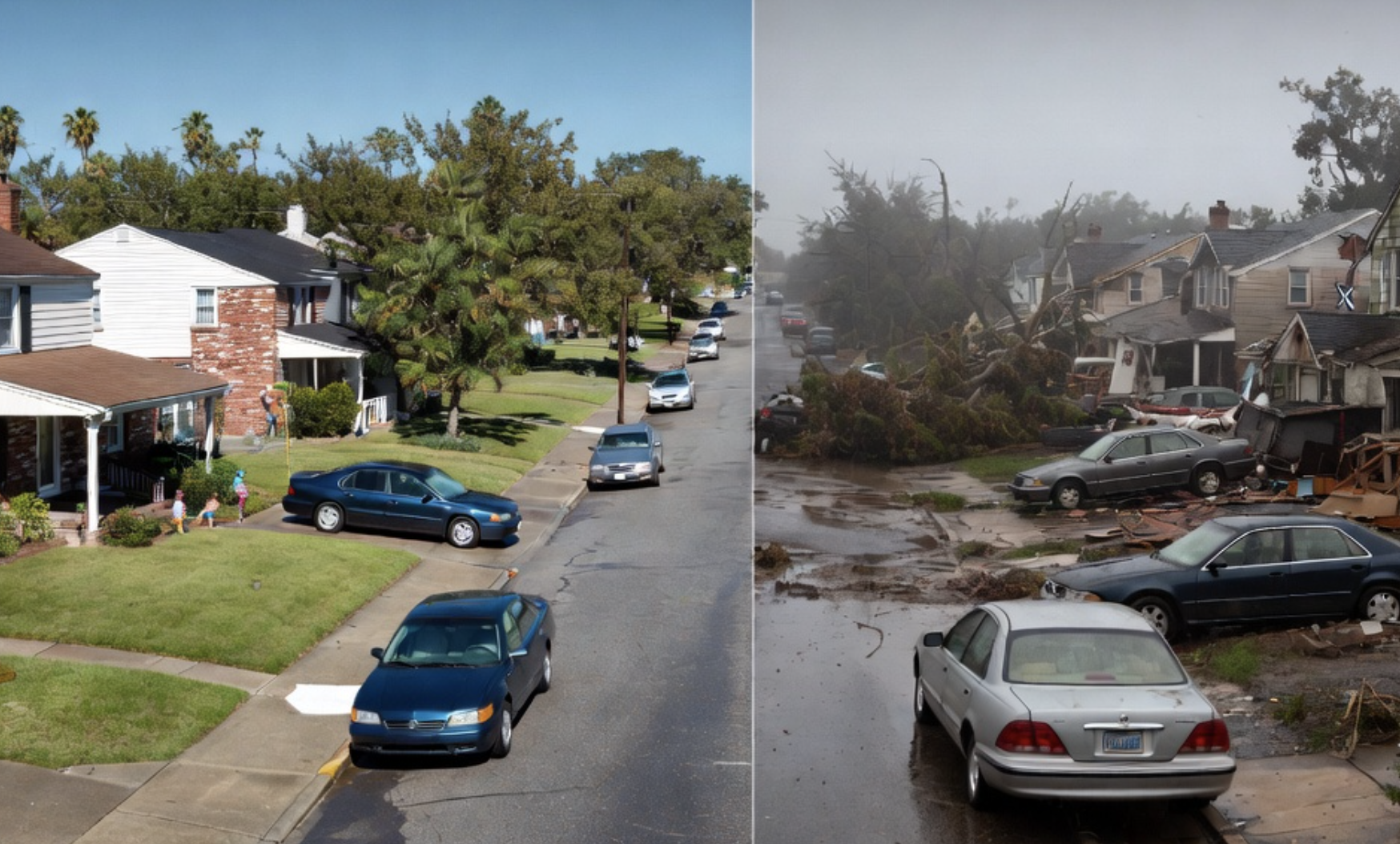
Once a post-World War II suburban-style subdivision hit hard by Hurricane Katrina, this working-class neighborhood of brick ranch homes, tree-lined streets, and tight-knit families is rebuilding with purpose — blending long-time residents’ determination, green infrastructure investments, and subtle new energy.
From Post-War Boom to Katrina’s Floodwaters
Developers built Gentilly Woods in the early 1950s near the Industrial Canal and former Higgins Shipyards to meet surging housing demand. The area featured affordable single-family homes, new schools like St. Gabriel the Archangel, and a shopping center along Gentilly Boulevard. It attracted a diverse mix of families seeking the American dream in New Orleans.
Pre-Katrina, the neighborhood thrived with around 4,387 residents in 2000. The 2005 storm changed everything. Floodwaters from the London Avenue Canal and Industrial Canal inundated homes, displacing thousands.
Population dropped sharply — to about 2,817 by the 2010 census and stabilizing around 3,740 in recent estimates (2020-2024 data). Many homes sat vacant or blighted for years.
Yet, unlike more spotlighted areas, Gentilly Woods’ recovery has been quiet, community-driven, and focused on practicality over flash.
The Resilience District: Turning Flood Risk into Opportunity
One of the biggest drivers of Gentilly Woods’ comeback is the Gentilly Resilience District, a forward-thinking initiative using green infrastructure to combat flooding and land subsidence. With over $141 million from the U.S. Department of Housing and Urban Development’s National Disaster Resilience Competition, the city and partners like the New Orleans Redevelopment Authority (NORA) launched projects tailored to neighborhoods like Gentilly Woods and nearby Pontchartrain Park (often called “Pontilly”).
Key efforts include:
- The Pontilly Neighborhood Stormwater Network — enhancements to the Dwyer Canal plus redesigned vacant lots, streets, and alleys that capture stormwater while beautifying public spaces.
- Homeowner incentives through the Gentilly Community Adaptation Program, offering up to $25,000 for rain gardens, bioswales, permeable paving, trees, and other green features.
- Broader flood-risk reduction that slows subsidence and creates community gathering spots. nola.gov
These investments make Gentilly Woods more livable and attractive for long-term residents and newcomers seeking affordable, resilient housing in New Orleans.What the Numbers Show: Steady ProgressRecent data paints a picture of cautious optimism:
- Population: Holding around 3,740 (2020-2024), down from pre-Katrina but showing stabilization. datacenterresearch.org
- Housing: Median home values hover in the $150k–$190k range, making it one of the more affordable options in Orleans Parish. Many homes are owner-occupied brick ranches with fenced yards.
- Demographics: Predominantly African American (around 72%), with a growing mix of families and young professionals. It’s a working-class area with strong community ties. datacenterresearch.org
New construction and renovations are outpacing some resales, though prices for fresh builds run higher. Vacancy rates remain a challenge, but momentum from resilience projects is helping fill in the gaps.
Local Voices: Resilience in Action
Longtime residents highlight the neighborhood’s quiet strength. Families who returned after Katrina often rebuilt with their own hands or through Road Home Program support. Community associations, including efforts tied to Pontchartrain Park, advocate for better services, parks, and quality-of-life improvements.Newer energy comes from tree-planting initiatives (like those starting in 2023–2024) and small business interest along nearby corridors. The area retains its residential feel — not overly commercialized — with easy access to Pontchartrain Park, golf courses, and Chef Menteur Highway amenities.
Challenges persist: Flood insurance costs, infrastructure needs, and economic pressures affect many households. Yet, the same traits that defined Gentilly Woods pre-Katrina — pride of ownership, neighborly support, and adaptability — fuel its current revival.
Why Gentilly Woods Matters for New Orleans’ FutureIn a city famous for its high-profile transformations (think Bywater or the Lower 9th Ward), Gentilly Woods represents the everyday comeback story. It’s not about chic boutiques or massive tourism influxes. It’s about sustainable living, flood-resilient design, and preserving a multigenerational New Orleans neighborhood.
As the city marks 20+ years since Katrina, Gentilly Woods shows what thoughtful, community-centered recovery can look like: greener spaces, stronger infrastructure, and residents who never gave up on their corner of the city.
Planning a visit or move? Drive through the streets off Gentilly Boulevard, check out nearby Pontchartrain Park, and grab a po-boy at a local spot. You’ll see the quiet comeback in action — block by block, home by home.Have stories or photos from Gentilly Woods? Share them in the comments or submit to Nolafi.com. We’re always highlighting the real New Orleans.
More From Nolafi.com