-
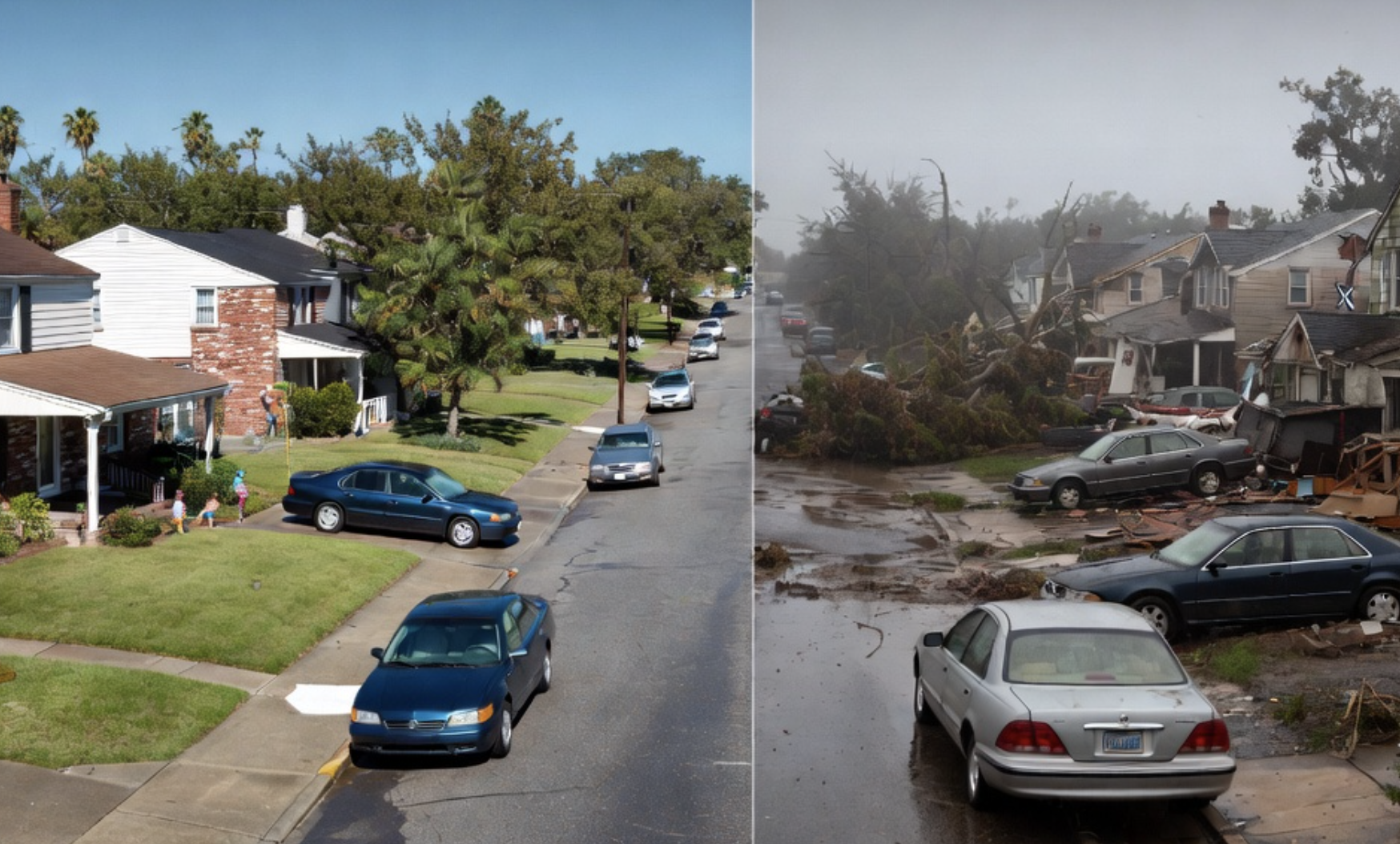
Keisha Williams was born and raised in Gentilly and says the area is starting to resemble what it once was — and that’s a good thing.
“When my mother used to tell me to come home, she wasn’t talking about come to the house, she meant the community, this, Gentilly,” the 35-year-old accountant says.
Gentilly Woods, a resilient pocket of New Orleans in the larger Gentilly district, is experiencing a steady, under-the-radar renaissance.
Once a post-World War II suburban-style subdivision hit hard by Hurricane Katrina, this working-class neighborhood of brick ranch homes, tree-lined streets, and tight-knit families is rebuilding with purpose — blending long-time residents’ determination, green infrastructure investments, and subtle new energy.
From Post-War Boom to Katrina’s Floodwaters
Developers built Gentilly Woods in the early 1950s near the Industrial Canal and former Higgins Shipyards to meet surging housing demand. The area featured affordable single-family homes, new schools like St. Gabriel the Archangel, and a shopping center along Gentilly Boulevard. It attracted a diverse mix of families seeking the American dream in New Orleans.
Pre-Katrina, the neighborhood thrived with around 4,387 residents in 2000. The 2005 storm changed everything. Floodwaters from the London Avenue Canal and Industrial Canal inundated homes, displacing thousands.
Population dropped sharply — to about 2,817 by the 2010 census and stabilizing around 3,740 in recent estimates (2020-2024 data). Many homes sat vacant or blighted for years.
Yet, unlike more spotlighted areas, Gentilly Woods’ recovery has been quiet, community-driven, and focused on practicality over flash.
The Resilience District: Turning Flood Risk into Opportunity
One of the biggest drivers of Gentilly Woods’ comeback is the Gentilly Resilience District, a forward-thinking initiative using green infrastructure to combat flooding and land subsidence. With over $141 million from the U.S. Department of Housing and Urban Development’s National Disaster Resilience Competition, the city and partners like the New Orleans Redevelopment Authority (NORA) launched projects tailored to neighborhoods like Gentilly Woods and nearby Pontchartrain Park (often called “Pontilly”).
Key efforts include:
- The Pontilly Neighborhood Stormwater Network — enhancements to the Dwyer Canal plus redesigned vacant lots, streets, and alleys that capture stormwater while beautifying public spaces.
- Homeowner incentives through the Gentilly Community Adaptation Program, offering up to $25,000 for rain gardens, bioswales, permeable paving, trees, and other green features.
- Broader flood-risk reduction that slows subsidence and creates community gathering spots. nola.gov
These investments make Gentilly Woods more livable and attractive for long-term residents and newcomers seeking affordable, resilient housing in New Orleans.What the Numbers Show: Steady ProgressRecent data paints a picture of cautious optimism:
- Population: Holding around 3,740 (2020-2024), down from pre-Katrina but showing stabilization. datacenterresearch.org
- Housing: Median home values hover in the $150k–$190k range, making it one of the more affordable options in Orleans Parish. Many homes are owner-occupied brick ranches with fenced yards.
- Demographics: Predominantly African American (around 72%), with a growing mix of families and young professionals. It’s a working-class area with strong community ties. datacenterresearch.org
New construction and renovations are outpacing some resales, though prices for fresh builds run higher. Vacancy rates remain a challenge, but momentum from resilience projects is helping fill in the gaps.
Local Voices: Resilience in Action
Longtime residents highlight the neighborhood’s quiet strength. Families who returned after Katrina often rebuilt with their own hands or through Road Home Program support. Community associations, including efforts tied to Pontchartrain Park, advocate for better services, parks, and quality-of-life improvements.Newer energy comes from tree-planting initiatives (like those starting in 2023–2024) and small business interest along nearby corridors. The area retains its residential feel — not overly commercialized — with easy access to Pontchartrain Park, golf courses, and Chef Menteur Highway amenities.
Challenges persist: Flood insurance costs, infrastructure needs, and economic pressures affect many households. Yet, the same traits that defined Gentilly Woods pre-Katrina — pride of ownership, neighborly support, and adaptability — fuel its current revival.
Why Gentilly Woods Matters for New Orleans’ FutureIn a city famous for its high-profile transformations (think Bywater or the Lower 9th Ward), Gentilly Woods represents the everyday comeback story. It’s not about chic boutiques or massive tourism influxes. It’s about sustainable living, flood-resilient design, and preserving a multigenerational New Orleans neighborhood.
As the city marks 20+ years since Katrina, Gentilly Woods shows what thoughtful, community-centered recovery can look like: greener spaces, stronger infrastructure, and residents who never gave up on their corner of the city.
Planning a visit or move? Drive through the streets off Gentilly Boulevard, check out nearby Pontchartrain Park, and grab a po-boy at a local spot. You’ll see the quiet comeback in action — block by block, home by home.Have stories or photos from Gentilly Woods? Share them in the comments or submit to Nolafi.com. We’re always highlighting the real New Orleans.
More From Nolafi.com
-

According to the National Association of Realtors’ (NAR) 2025 Profile of Home Buyers and Sellers (covering transactions from July 2024 to June 2025), the median age of all home buyers—first-time and repeat combined—reached an all-time high of 59 years old.
Nationwide, 59 Is Median Homebuying Age
This is up from 56 in 2024, 49 in 2023, and a far cry from the 31 recorded in 1981 when NAR began tracking the data.
For context:
- First-time buyers’ median age hit a record 40 (up from 38 in 2024).
- Repeat buyers’ median age rose to 62 (up from 61 in 2024).
This aging trend reflects broader housing market challenges, including high prices, elevated mortgage rates, and low inventory, which have sidelined younger buyers and boosted the share of older, cash-flush repeat buyers (now 79% of the market).
The first-time buyer share also fell to a historic low of 21%. These figures are based on NAR’s survey of over 173,000 recent buyers, weighted for geographic representation.
Housing Affordability in New Orleans
New Orleans offers relatively affordable housing compared to many U.S. cities, with median home prices and rents significantly below national averages. However, affordability challenges persist due to high homeowners insurance premiums (driven by flood and hurricane risks), stagnant market growth, and a shortage of low-income units.
As of late 2025, the city ranks poorly for first-time buyers (292nd out of 300 U.S. cities) and faces a crisis with an estimated need for 44,000 additional affordable rental units. Despite subsidies exceeding $100 million since 2020, development has lagged, adding only about 239 new units in the past year.
The market is currently a buyer’s market, with high inventory (8.8 months’ supply) and homes selling below asking price.Key Housing MetricsHere’s a summary of current (2025) data for home sales and rentals, compared to national and state averages:
Metric New Orleans Value National Average Louisiana Average Year-over-Year Change Median Home Price $298,000–$330,000 ~$417,000 $252,600 -5.7% to -7.3% Median Rent (All Units) $1,313–$1,383 $1,635 ~$1,200 -0.6% to -2.3% 1-Bedroom Rent $940–$1,040 $1,400 ~$950 +0.7% 2-Bedroom Rent $1,289–$1,525 $1,700 ~$1,150 +1.2% Days on Market 53–84 45–60 70–90 -24 days Price per Sq Ft $179–$192 $220 $150 +11.2% Sources: Aggregated from Redfin, Zillow, RentCafe, Apartments.com, and Bankrate data as of October 2025.
- Home Prices: The median sale price has declined slightly this year, making it 33–46% below the national average. Affordable neighborhoods include New Orleans East ($150,000–$200,000) and Algiers (under $230,000), while pricier areas like the Garden District exceed $500,000.
- Rents: Average rents are 15–20% below the U.S. average, with budget options in areas like Little Woods ($850 for 1-bedroom) or Hollygrove ($875). Luxury spots like the French Quarter average $2,295 for 1-bedrooms.
- Affordability Timeline: It takes about 4.3 years of median household income (~$55,580) to save for a down payment on a median home, which is reasonable nationally but strained by local factors.
Factors Impacting Affordability
- Insurance Costs: Homeowners insurance averages $10,964 annually (vs. $3,259 nationally), with a projected 27% increase by year-end due to climate risks. This has led to 18% of sales falling through in early 2025.
- Market Trends: Inventory is up 6%, with 26.7% of homes selling below list price (sale-to-list ratio: 95.9%). Forecasts predict stable or slight declines (-0.5% to -2% by end-2025), favoring buyers.
- Cost of Living Context: Overall living costs are 12–15% above the national average, driven by housing (49% higher). A single adult needs ~$65,000 annually for comfort; families of four require ~$65,000+ for basics including utilities and transport.
- Initiatives: Recent approvals for 600 new affordable units in Districts B and C (via $45 million bonds) aim to address shortages, but critics argue mandates (e.g., 10% affordable units in developments) are stifling growth.
Bottom Line
Housing in New Orleans is affordable on paper—rents and prices are low relative to coastal cities like New York or San Francisco—but real-world barriers like insurance and limited supply make it tough for low- to moderate-income residents (especially renters, who comprise 49% of households).
If you’re a buyer, now is a strong time due to the buyer’s market; renters should target suburbs for the best deals. For long-term affordability, monitor city subsidies and flood zone policies.
More From NolaFi.com:
-
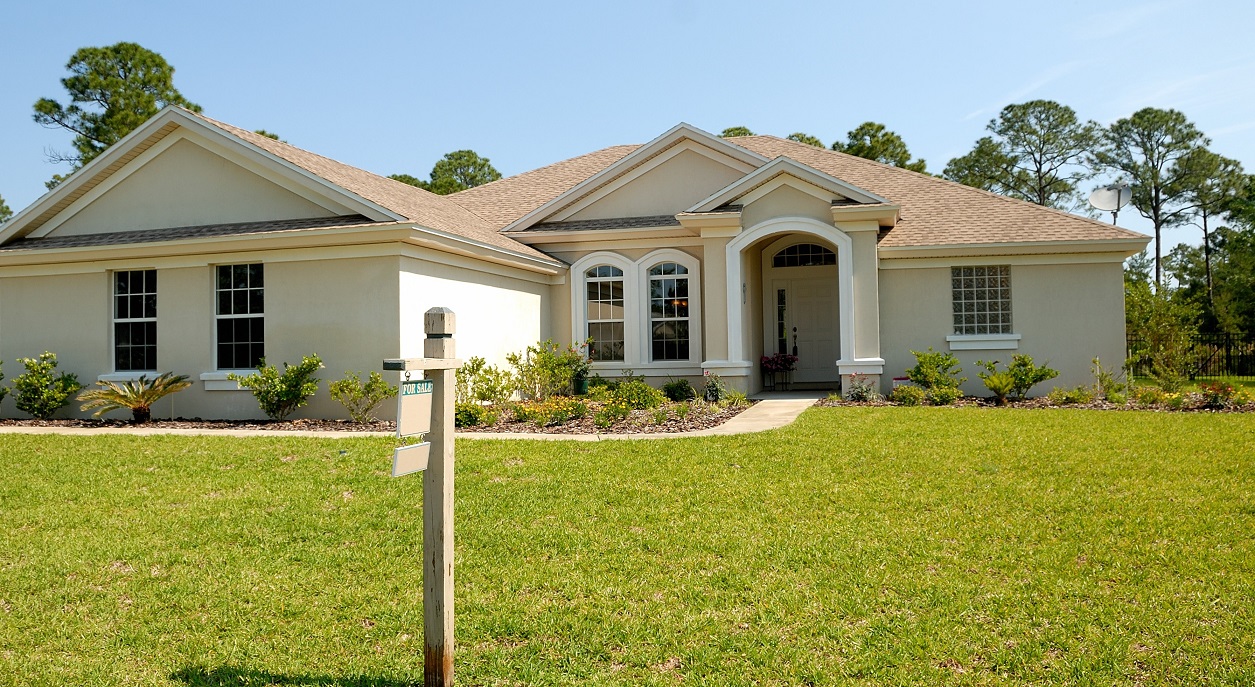
If you’re thinking about selling your home in Louisiana, you should know that many homeowners have had to drop their prices.
A new study has revealed the states struggling to sell houses at their market value, naming Louisiana as the eighth-worst state with only 38.8% of properties sold at the listing price or above. The real estate market in New Orleans and elsewhere is the reason.
The data, researched by real estate experts Agent Advice, used Zillow house price data for each state to see the regions with the most properties sold undervalue. The data looked at the most recent 950 properties sold to find the states with the highest percentage of those sold below the listed price.
The research found Florida was the state with the most properties sold undervalue at 69.4% of recent sales being bought below the listed price. Currently, Florida’s average house value stands at $399,807 according to Zillow, with this being an increase of 3.4% since last year. Presently, the median list price as of April is $433,300 yet the average sale price is $368,33. Evidently, there is a disparity in the amount residents are willing to pay compared to what sellers want to receive. On average, it takes a property just 33 days to go into pending- the time it takes from listing to an offer being accepted without the deal being closed.
In second place is Montana, which sold 68.1% of homes undervalue according to the most recent data. In the last year, Zillow reported the average price of a home has gone up by 5.8%, resulting in the average house costing $463,645 which is unaffordable for many. As of April this year, the average time to pending took only 21 days. The average listed price stood at $519,633 but the average sale price was much lower at $447,167.
Coming in third is Wyoming. Wyoming saw 64.7% of houses sold undervalue according to the data, with the average listed price standing at $393,816 but the average sale price being $306,349. On average, properties in the state took 23 days to go into pending and the current median house price is $344,250.
Sitting in fourth place with a rate of 63.4% of homes sold undervalue is Kentucky. Kentucky has one of the shortest times to pending on this list at just 10 days on average. Zillow currently lists the average house price at $207,548 which stands at a 5% increase from last year. On average, the median list price is $274,933 compared to the median sale price of $229,933.
With rates of 62.3% of properties sold under value, Wisconsin and Missouri come in joint fifth place. Wisconsin saw a 5.6% increase in house prices in the last year, with the average house valued at $302,612. On average, it takes just 17 days for a property in the state to have an offer accepted, and the average sale price is currently $250,667.
As for Missouri, the state saw a 5% increase and has an incredibly fast speed of taking only 8 days for a property to go into pending. At present, the typical home is valued at $247,255 whilst the average sold price is $228,267 according to the latest data.
States with the most homes sold undervalue, ranked
Rank State Percentage sold undervalue 1 Florida 69.4% 2 Montana 68.1% 3 Wyoming 64.7% 4 Kentucky 63.4% =5 Wisconsin 62.3% =5 Missouri 62.3% 6 Arizona 62.1% 7 Texas 61.3% 8 Louisiana 61.2% 9 South Carolina 60.4% 10 Tennessee 60.0% The state with the sixth highest rate of homes sold under value is Arizona, which saw 62.1% of houses sold below the listed price. Arizona is one of the pricier states and currently, the median house cost is $433,667, a 4.1% increase in the last year.
Texas ranks seventh in the list citing a rate of 61.3% of properties sold under the original listed price. The state saw just a 1% increase in house prices compared to last year, relatively low compared to other regions, with the average house now costing $307,038 and taking, on average, 25 days for an offer to be accepted.
Ranking eighth is Louisiana, with a rate of 61.2% of all recent properties sold undervalue. The southern state is one of a few areas that saw a decrease in the average house price, seeing a 2.6% lowering of the cost. At the moment, Zillow lists the average property as costing $202,392.
South Carolina comes next with 60.4% of properties sold under value according to the most recent data. In the last year, it has taken an average of 17 days for a property to go into pending, and house prices have risen 4.3% resulting in the average property costing $296,251.
Rounding off the list, Tennessee takes tenth place following a rate of 60% of houses sold below listed value. Now, the average property costs $321,755, an increase of 4.7% compared to last year.
Read our guide on how to buy rental property in Louisiana.
On the other side of the study, Connecticut was found to be the state with the lowest number of properties sold undervalue at just 30.9%. According to Zillow data, the average house is valued at $399,242, an increase of 11.6% from last year.
Commenting on the findings, an expert from Agent Advice said: “The real estate market is known for its fluctuations, often influenced by factors such as climate, location, and economic trends.
“It is interesting to note the current trend for a lot of southern states where properties are sold under value. Consistently, southern states have ranked low in terms of average wages, education and environment. Hopefully, though, these rankings are beginning to be overturned as more people recognize the opportunities living in the south can bring and we may well see a growth in popularity for the region as lawmakers bring about positive change.
“It is crucial for buyers and sellers to stay informed about the local market and what trends are occurring. Buying a house can be very exciting but it takes a lot of thorough research and good legal advice to ensure you are making the best purchase in yours and your family’s future home.”
Final Thought
Buying a home in Louisiana can be a gamble, but that’s true everywhere.
If your finances need work, make sure you try to raise your credit score so you are an attractive homebuyer.
More Articles Like This:
-
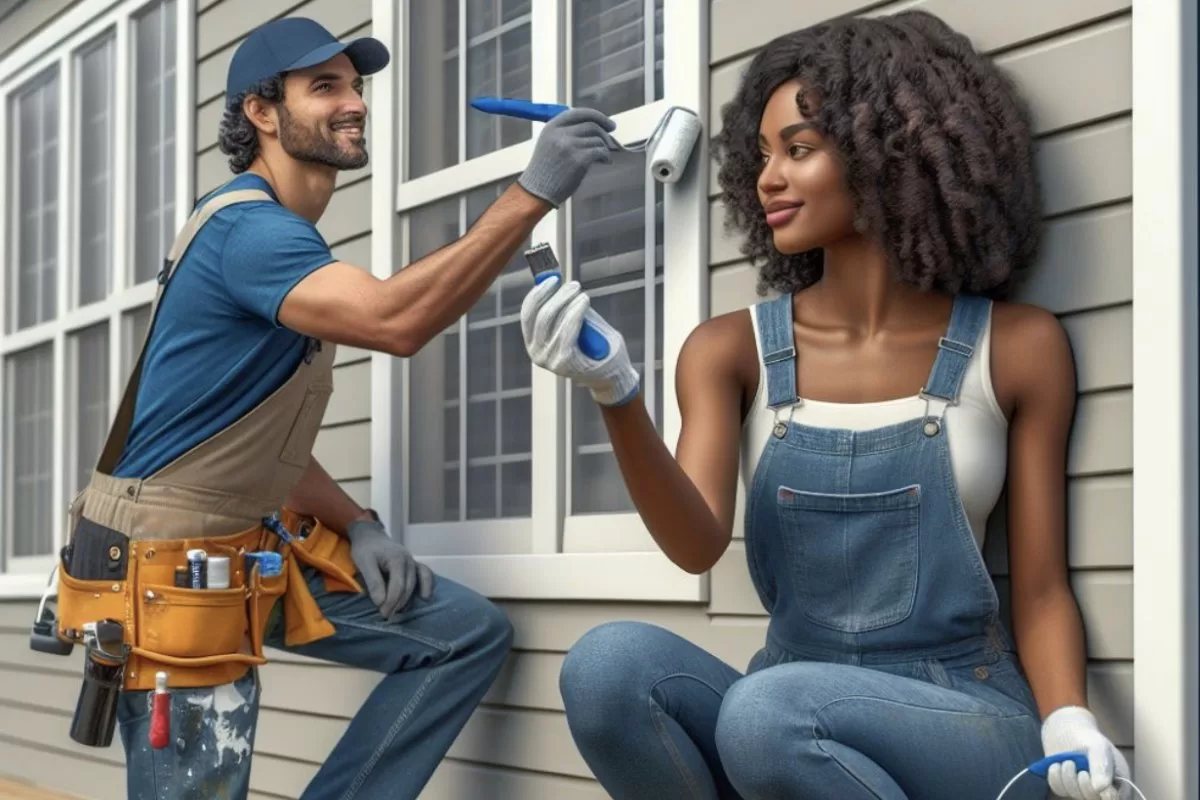
So you want to put your home up for sale on the market to see what it does. You can list it all you want, but if it doesn’t have curb appeal, you might not attract any potential buyers.
What is curb appeal? It’s a cosmetic look of a home’s exterior that is pleasing to the eye.
In this article, we’ll go over some ways you can increase your home’s curb appeal and ultimately get it sold.
How To Boost Your Home’s Curb Appeal
Could the walkway in front of your home benefit from a good power washing? Are there still leaves in your gutter?
Take a good look at the front exterior of your home and write down all the things you can do to beautify the property and not bust your budget.
1. Take Lawncare Seriously
Your lawn is the first thing a prospective buyer may notice about your property. Always make sure your hedges, trees and shrubs are trimmed to compliment your home. The last thing a potential buyer wants to see are wayward vines and branches encroaching on the porch or walkway.
Take the time to invest in some shears so that you can cut your shrubs and other things out of the way.
3. Go With a Fresh Coat of Paint
You may also consider painting the rooms inside or even the home’s exterior. Nothing illuminates a home’s beauty like a nice coat of paint. Not only can a fresh paint job be pleasing to the eye but it can increase your bottom line.
A Zillow analysis found that homebuyers would pay 1.6% more ($5,000 on a $290,000 home) for a bathroom with light blue walls.
4. Opt for Modest Upgrades
You don’t have to break the bank to get your home in selling shape. Consider making some modest upgrades that will attract buyers.
New Orleans, Louisiana, presents some great opportunity for potential homebuyers who save up for a home, but like much of the country, high prices and mortgage rates will temper the market.
Final Word
It could cost you a lot of money if you missed out on the sale of your home just because you didn’t tidy things up around the property. In essence, clean up.
The time and energy you spend into boosting your curb appeal will be more than worth it in the long run.
New Orleans has one of the best real estate markets in the country, with affordable housing in every quadrant of the city. Large backyards, manicured parcels and strong neighborhoods with ample dining amenities make it one of the top places for families and singles alike.
-

When you compare it to other states, buying a house in Louisiana is very affordable. Of course, it depends on where you decide to purchase. The New Orleans real estate market has some of the most pricey homes in the state. Meanwhile, rural parishes in the northern part of the state have some of the most affordable dwellings.
In this article, we will cover how to save money for a house in Louisiana.
How To Save Up For a Home in 4 Steps
Saving up for a house requires careful planning and discipline. How to afford a home is a challenge this year as economic factors loom. Here are some ways you can save up for your future home:
Set a Savings Goal
Determine how much money you need to save for a down payment and other homebuying costs. This will give you a target to work towards.
Consider taking on a part-time job or freelance work to boost your income and accelerate your savings.
Put any unexpected windfalls, such as tax refunds or bonuses, directly into your house savings account.
Create a Budget
Review your income and expenses to identify areas where you can cut back and save more money. Allocate a portion of your income specifically for your house savings goal.
Regularly review your savings progress and adjust your budget and savings plan as needed to stay on track.
Get Out Of Debt
Look for ways to reduce your expenses, such as eating out less, cutting cable or subscription services, and finding cheaper alternatives for everyday items.
Pay off high-interest debt, such as credit card balances, to free up more money for savings. This will also improve your credit score, which is important when applying for a mortgage.
Open a Dedicated Savings Account
Open a separate savings account specifically for your house fund. This will help you track your progress and avoid spending the money on other things.
Set up automatic transfers from your checking account to your house savings account each month. This will make saving easier and more consistent.
Final Word
Saving up for a home can be a big task, but with hard work, dedication and a lot of patience, you can do it. The key is to stay motivated.
Keep your goal of homeownership in mind and remind yourself of the benefits of saving up for a house, such as financial security and stability.
And before you choose a lender, make sure you read the reviews.
More Articles Like This:
-
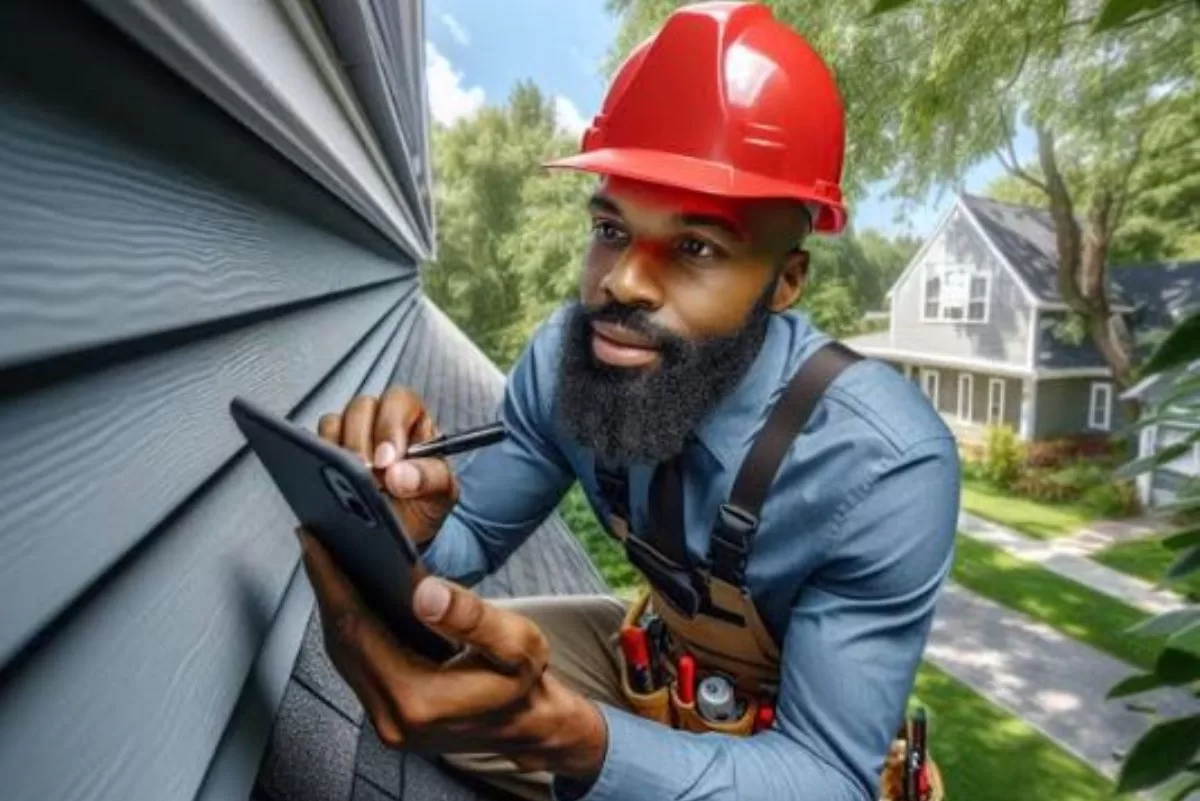
So you want to buy a home. Your next step to hiring a home inspector.
If the home inspection uncovers any issues, you can use this information to negotiate with the seller. You may ask them to make repairs before closing or to lower the price of the home to account for the cost of repairs.
In this article, we’ll cover what you need to know about getting a home inspection and why it’s important.
- How Much Does a Home Inspection Cost?
- How Long Does a Home Inspection Take?
- Why Is a Home Inspection So Important?
- Top Home Inspectors In New Orleans
How Much Does a Home Inspection Cost?
The cost of a home inspection can vary depending on several factors, including the size and location of the home, as well as the complexity of the inspection. On average, a home inspection may cost between $300 and $500 for a typical single-family home. However, prices can range higher or lower based on these factors.
It’s important to note that while cost is a consideration, the quality and thoroughness of the inspection are also crucial. It’s generally recommended to hire a qualified and experienced home inspector who will provide a comprehensive evaluation of the property, even if it means paying a slightly higher fee.
When budgeting for a home inspection, it’s also important to consider the potential savings or negotiation leverage that a thorough inspection can provide. Uncovering major issues with the property can allow you to negotiate repairs or a lower purchase price with the seller, potentially saving you money in the long run.
How Long Does a Home Inspection Take?
The amount of time a home inspection takes depend on several factors, including the size and condition of the home, as well as the thoroughness of the inspection. On average, a typical home inspection for a single-family home can take anywhere from 2 to 4 hours to complete.
However, larger or more complex homes may require more time to inspect thoroughly, while smaller or simpler homes may take less time. Additionally, if the inspector identifies significant issues during the inspection, they may need additional time to assess the severity of the problems or to gather more information.
Why Is a Home Inspection So Important?
Getting a home inspection before buying a home is important for several reasons:
Identifying Potential Problems
A home inspection can uncover any issues with the property that may not be visible to the naked eye. This can include structural problems, safety hazards, or issues with the electrical, plumbing, or HVAC systems.
The inspector should assess the insulation levels and ventilation in the attic and crawl spaces to ensure energy efficiency and prevent moisture problems.
A good home inspector will also look for any safety hazards, such as exposed wiring, trip hazards, or other issues that could pose a risk to occupants.
Finding Out the True Condition of the Property
A home inspection provides a detailed report on the condition of the property, giving you a clear understanding of what you’re buying and any repairs or maintenance that may be needed.
Budgeting for Future Maintenance
Even if the home is in good condition, the inspection report can help you plan for future maintenance and repairs, allowing you to budget accordingly.
Top Home Inspectors In New Orleans
Although this is a partial list, we’ve really heard great things about these New Orleans home inspectors.
- House Call Home Inspection
- NOLA Home Inspections
- HomeScope Inspection Services
- Guardian Inspection Services
- Inspection Connection New Orleans
Final Word
It’s important to choose a qualified and experienced home inspector who will take the time needed to conduct a thorough evaluation of the property.
Things are expensive right now. The average cost of a home continues to increase. And the cost of land is high as well. Buying land in Louisiana has its own pitfalls, literally.
Want to learn more?
Read our guide on the best real estate companies in New Orleans.
-
If rental property is not your thing, the dream of homeownership is elusive for millions of Americans, but it’s something else in New Orleans, Louisiana.
According to LendingTree, the New Orleans is in the top five cities when it comes to the number of black Americans being denied the purchase of a song.
What Is The Mortgage Denial Rate For Black People In New Orleans?
The report from LendingTree states that the denial rate for Black homebuyers across the 50 largest U.S. metros is an average of 5.30 percentage points higher than that of other mortgage borrowers.
In New Orleans as well as Detroit and Miami, the average denial rate for Black borrowers is 20.70% — more than double the average denial rate of 10.19% across Salt Lake City, Kansas City and Minneapolis.
Though denial rates for Black borrowers can vary across the nation’s 50 largest metros, they’re higher than 10.00% in all but one — Salt Lake City, with a denial rate of 9.24%.
LendingTree analyzed housing data to find the largest spread between mortgage denial rates for Black borrowers and the overall borrower population.
Here are the cities where mortgage denial is the highest among black Americans:
- Buffalo, NY
- Raleigh, NC
- Boston, MA
- San Francisco, CA
- New Orleans, LA
Can I Afford A Home In New Orleans?
Determining whether you can afford a home in New Orleans depends on various factors, including your financial situation, income, credit score, down payment amount, and the current real estate market in the area. Here are some steps to help you assess your ability to afford a home in New Orleans.
Get Pre-Approved for a Mortgage: Contact a mortgage lender to get pre-approved for a mortgage. This will give you a clear idea of how much you can borrow and the interest rate you qualify for based on your financial situation.
-

When it’s time to sell or buy a home, working with trusted companies is vital to your wallet. There are many real estate companies operating in New Orleans, ranging from large national franchises to smaller locally-owned businesses.
Choosing the right real estate company is a crucial step in your home-buying journey, especially in this real estate market. Take your time to research and consider multiple options, ask questions, and select a company that aligns with your goals, needs, and preferences.
Here are some things to consider before hiring a real estate company:
What To Consider Before Working With A Real Estate Company
Compatibility and Trust: Building a relationship of trust and rapport with your real estate agent is important. Schedule an initial consultation or interview with a representative from the company to assess their approach, communication style, and whether you feel comfortable working with them. A good fit between you and the real estate company will make the home-buying process more enjoyable and successful.
Fees and Contracts: Understand the fees and commission structure of the real estate company. Real estate commissions are typically paid by the seller, but it’s important to clarify any potential costs or fees you may be responsible for as a buyer. Review the terms of the agency agreement or contract carefully before signing and ensure you are comfortable with the terms.
Referrals and Recommendations: Seek recommendations and referrals from trusted sources such as friends, family, or colleagues who have had positive experiences with real estate companies. Personal referrals can provide valuable insights and help you narrow down your options.
Here are some of the top real estate companies in New Orleans:
Keller Williams Realty
Keller Williams is a national real estate franchise with several offices throughout New Orleans.
RE/MAX
RE/MAX is another large national real estate franchise with several offices in the New Orleans area.
Latter & Blum
Latter & Blum is a locally-owned real estate company that has been operating in New Orleans since 1916.
Gardner Realtors
Gardner Realtors is a locally-owned real estate company that has been serving the New Orleans area since 1943.
Berkshire Hathaway HomeServices
Berkshire Hathaway HomeServices has several offices in the New Orleans area and is known for their high-end luxury real estate services.
French Quarter Realty
French Quarter Realty is a locally-owned real estate company that specializes in properties located in the historic French Quarter.
Coldwell Banker
Coldwell Banker has several offices throughout the New Orleans area and is known for their expertise in the luxury real estate market.
Final Word
These are just a few of the many real estate companies operating in New Orleans. It’s important to do your research and consider several different options before choosing a company to work with.
A reputable and experienced real estate company can provide expert guidance, support, and resources to help you find your dream home for you and your family or even to rent for cheap.
-

The affordability factor has become a major concern among many Americans. In one city — New Orleans — rents are cheaper than they’ve been in a while and continue to decrease.
A study from Rent.com shows that the Crescent City is among the big cities where rents have decreased.
Why Are Rents Decreasing Across The U.S.?
One major reason why rents are falling is because the construction industry is finally sufficiently rebounding from the COVID-19 pandemic.
New rental units being built continue to make a difference as well as the fact that Louisiana happens to be one of the most affordable states in America.Where In The U.S. Are Rents Falling?
According to Rent.com, these metro areas have experienced the greatest decreases in rent prices over the past year.
- New Orleans-Metairie, LA (-14.95 percent)
- Austin-Round Rock-Georgetown, TX (-14.33 percent)
- Phoenix-Mesa-Chandler, AZ (-9.63 percent)
- Las Vegas-Henderson-Paradise, NV (-7.13 percent)
- Oklahoma City, OK (-6.43 percent)
- Chicago-Naperville-Elgin, IL-IN-WI (-5.96 percent)
- Birmingham-Hoover, AL (-4.54 percent)
- Sacramento-Roseville-Folsom, CA (-4.02 percent)
- Memphis, TN-MS-AR (-3.57 percent)
- Seattle-Tacoma-Bellevue, WA (-3.19 percent)
Final Word
Read where the cheapest apartments are in New Orleans.
While New Orleans is not one of the most expensive rental markets, you still need some strategy to score some cheap rent. Look for ways to reduce expenses and save more of the money you make.
Tired of renting? Here’s how to save for a home.
-
After a brief upward trajectory, pending home sales continue to drop a tad across Louisiana and Greater New Orleans. The trend is part of a national wave of lower home prices spurred by rising interest rates.
After steep increases in home prices in New Orleans and nationally over the last two years, the market is starting to soften in large metropolitan areas.
You may be curious to know how much an average New Orleans home costs in the current real estate market.
What Is The Average Price Of A Home In New Orleans?
The average home costs $349,000 in New Orleans, which is up 6% compared to last year, according to recent figures.
The average home in New Orleans consists of:
- 3 bedrooms, 2 bathrooms
- A one-quarter acre lot
- Central air and heating unit
In Louisiana, the average home value is about $182,595, according to Zillow. The Pelican State has experienced about a 2.3% increase in home values over the last 18 months.
Are Home Prices Dropping In New Orleans?
In New Orleans, home prices are starting to cool after a string of months that saw gains across all types of units. Even the cost of land is high in Louisiana now.
Here are the average home prices across some top New Orleans neighborhoods, according to Zillow.
- Village De L’Est $146,000
- Read Blvd. East $212,000
- Viavant-Venetian Isles $260,000
- Little Woods $184,600
- Read Blvd. West $166,000
- West Lake Forest $128,000
- Plum Orchard $134,000
- Pines Village $119,000
- Pontchartrain Park $183,000
Is It Better To Rent Or Buy A Home In New Orleans?
As to whether it’s better to rent or buy a home in New Orleans, a lot has to do with your personal goals and your financial situation. Apartment rentals are higher than they’ve ever been in New Orleans.
There are pros and cons in renting or buying. a home, but how you want to live has a lot to do with it.
Renters are being priced out of the city as real estate prices continue to restrict demand. Here’s how to find a cheap New Orleans apartment.
Final Word
Home prices in New Orleans have been rising steadily over the past two years, but things are starting to trend in the other direction.
Although home values have dipped a bit, areas around New Orleans that used to have $10,000 properties just 10 years ago, gentrification has quickly shot prices through the roof.
Keep up with what’s going on in the Louisiana real estate scene. Check out these cheap apartments.
More Articles From NolaFi: