-
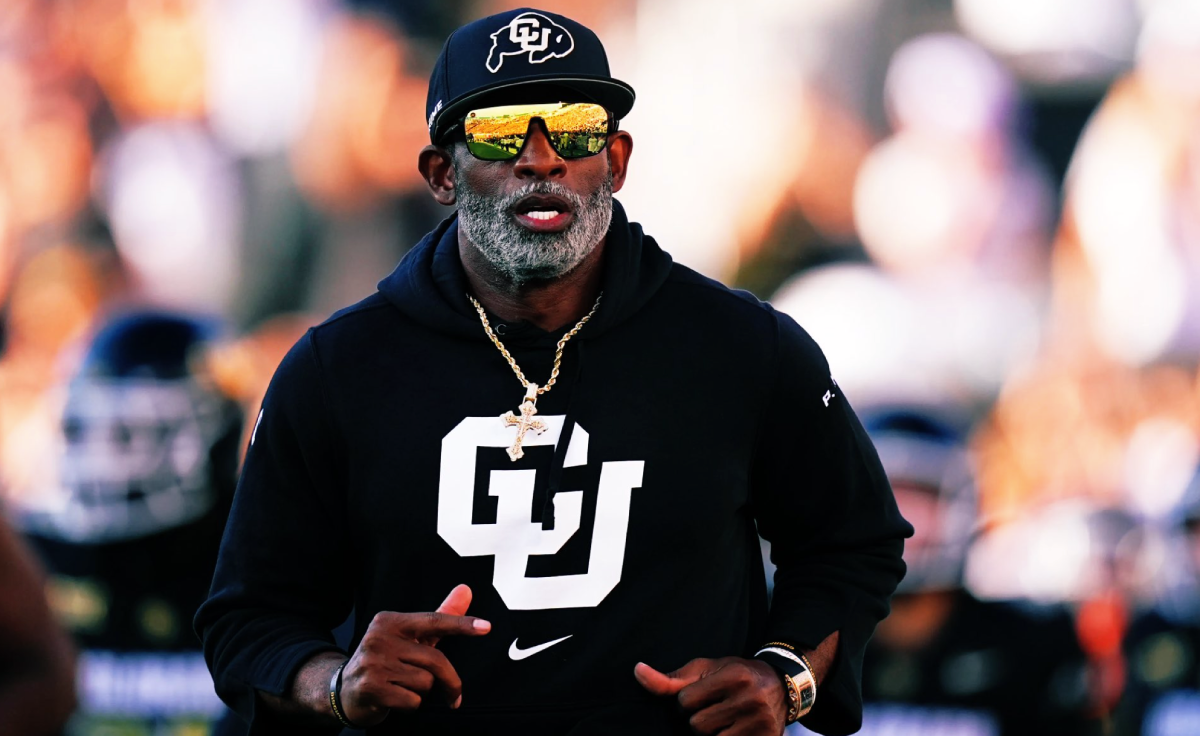
The influx of former NFL players into coaching roles at Historically Black Colleges and Universities (HBCUs) has been a transformative trend in college football, particularly since Deion Sanders’ hiring at Jackson State in 2020.
This “Coach Prime Effect” has elevated HBCU programs by blending celebrity appeal with professional expertise, leading to measurable gains in visibility, recruitment, attendance, and funding. However, it also raises questions about long-term sustainability, player retention, and whether HBCUs serve as stepping stones to predominantly white institutions (PWIs).
As of December 2025, nearly half of Division I HBCU head coaches have NFL playing experience, contributing to a seismic shift in the landscape.
Black Head Coaches in NCAA Football
Name Team Notes Deion Sanders Colorado Buffaloes Power 4 program; hired in 2023. Eddie George Bowling Green Falcons Moved from Tennessee State in 2025. Michael Vick Norfolk State Spartans Hired in December 2024. DeSean Jackson Delaware State Hornets Hired in December 2024. Terrell Buckley Mississippi Valley State Delta Devils First season as head coach in 2025. Terance Mathis Morehouse Maroon Tigers Ongoing tenure at HBCU. T.C. Taylor Jackson State Tigers Entered 2025 with national championship from 2024. Raymond Woodie Jr. Bethune-Cookman Wildcats Since 2023. Alonzo Hampton Arkansas-Pine Bluff Golden Lions Since 2023. Sam Shade Alabama A&M Bulldogs Moved from Miles College in 2022. Cris Dishman Texas Southern Tigers 6-5 record in 2025, first winning season in 25 years. Eddie Robinson Jr. Alabama State Hornets 9-2 record in 2025. Assistant Coaches
Name Team Position Notes Marshall Faulk Colorado Buffaloes Running Backs Coach Hired in 2025 under Sanders. Jason Taylor Miami Hurricanes Defensive Ends Coach Defensive line specialist. DeMarco Murray Oklahoma Sooners Running Backs Coach Focuses on NFL pipeline development. Hines Ward Arizona State Sun Devils Wide Receivers Coach Brings Super Bowl experience. C.J. Spiller Clemson Tigers Running Backs Coach Long-term Clemson staff member. Warren Sapp Colorado Buffaloes Defensive Line Coach Part of Sanders’ NFL-heavy staff in 2025. Byron Leftwich Colorado Buffaloes Offensive Coordinator Added to staff in 2025. This list focuses on prominent examples as of November 2025, drawing from recent hires and ongoing tenures, primarily at HBCUs and Power 4 programs. Many of these coaches were hired without prior college experience, reflecting a trend influenced by Deion Sanders’ success.
Positive Impacts
Former NFL coaches have revitalized HBCU football in several key areas:
- Increased Visibility and Media Exposure: Sanders’ tenure at Jackson State generated an estimated $185 million in advertising and exposure revenue in under a year, putting HBCUs on national stages like ESPN broadcasts. This “seismic shift” has continued with hires like Michael Vick (Norfolk State) and DeSean Jackson (Delaware State), drawing headlines and social media buzz that amplify HBCU stories beyond niche audiences.
- Enhanced Recruitment and Talent Pipeline: These coaches leverage NFL networks to attract top prospects. Sanders recruited No. 1 high school player Travis Hunter and achieved a 38-17 record at Jackson State. Eddie George led Tennessee State to a 9-3 season and shared Big South/OVC title in 2024. Overall, HBCU football has seen a surge in highly ranked recruits, with programs like Norfolk State and Delaware State poised for similar boosts in 2025.
- Financial and Attendance Gains: Celebrity hires correlate with sold-out games, sponsorships, and economic ripple effects. Colorado’s “Prime Effect” (post-Jackson State) included $72.1 million in direct economic impact from events, a model echoed at HBCUs. Programs report higher ticket sales and donor interest, addressing chronic underfunding—HBCU football budgets often hover below $5 million, compared to $30+ million at Power 5 schools.
- Player Development and NFL Opportunities: Coaches like Doug Williams (Grambling State) and Cris Dishman (Texas Southern, 6-5 in 2025) emphasize holistic growth, including academics (“God, Grades, & Wins”). NFL initiatives like the HBCU Legacy Bowl and Combine, supported by alumni like Williams, have drafted over 70 HBCU players since 2000. In 2025, hires like Marshall Faulk (Southern University) and Terrell Buckley (Mississippi Valley State) aim to strengthen this pipeline.
- Cultural and Inspirational Legacy: These coaches inspire Black youth, reinforcing HBCUs’ role in producing legends like Jerry Rice and Walter Payton. The NFL’s “Strength of HBCUs” partnership since 2016 has engaged over 4,000 students in workshops and internships, fostering generational impact.
Key Positive Metrics (Examples from Recent Seasons) Program Jackson State (2020-22) Tennessee State (2024) Texas Southern (2025) Alabama State (2025) Norfolk State (2025 hire) Challenges and CriticismsWhile the trend is largely celebrated, it has sparked debates among HBCU stakeholders:
- Stepping-Stone Concerns: Successful coaches often depart for PWIs, as Sanders did for Colorado in 2022, leaving programs in flux. Of 21 Division I HBCU programs, 16 changed head coaches since 2022, accelerating turnover. Critics argue HBCUs become “surrogate saviors” or launchpads, with limited resources to retain talent amid Power 5 poaching.
- Player Transfers and Loyalty: Sanders’ exit included six Jackson State players (including his son Shedeur) transferring to Colorado, undermining HBCU retention. This mirrors historical talent drains post-integration, where HBCUs lost 53-70 draftees annually (1968-76) to now just 70 total since 2000.
- Cultural Appropriation and Retention Risks: Sanders’ “HBCU-like” elements at Colorado (e.g., soul food events) have drawn backlash for diluting authentic HBCU culture at PWIs, where Black enrollment is under 3%. HBCU veterans like North Carolina Central’s Trei Oliver note exposure benefits but stress giving chances to lesser-known coaches who’ve “put in the time.”
- Sustainability Questions: High-profile hires like Ed Reed’s short Bethune-Cookman stint highlight risks of inexperience. With budgets strained, failure could exacerbate instability, though successes like T.C. Taylor’s 2024 Jackson State championship show potential.
Broader NFL-HBCU Synergies
The NFL actively supports this ecosystem through programs like the Pioli Family Fund for HBCU coaches, honoring figures like Joseph Rankin (Morgan State alum, now at Central Connecticut).
Players like Tyreek Hill and Tre Boston have expressed 2025 interest in HBCU roles, signaling sustained momentum. As one analyst noted, this “evolving carousel” could redefine HBCU football, provided it prioritizes long-term investment over celebrity.
Final Word
In summary, NFL coaches have injected vitality into HBCUs, boosting competitiveness and pride, but equitable retention strategies are essential for enduring change. This trend underscores HBCUs’ enduring legacy in American sports, from segregation-era pipelines to modern revival.
-
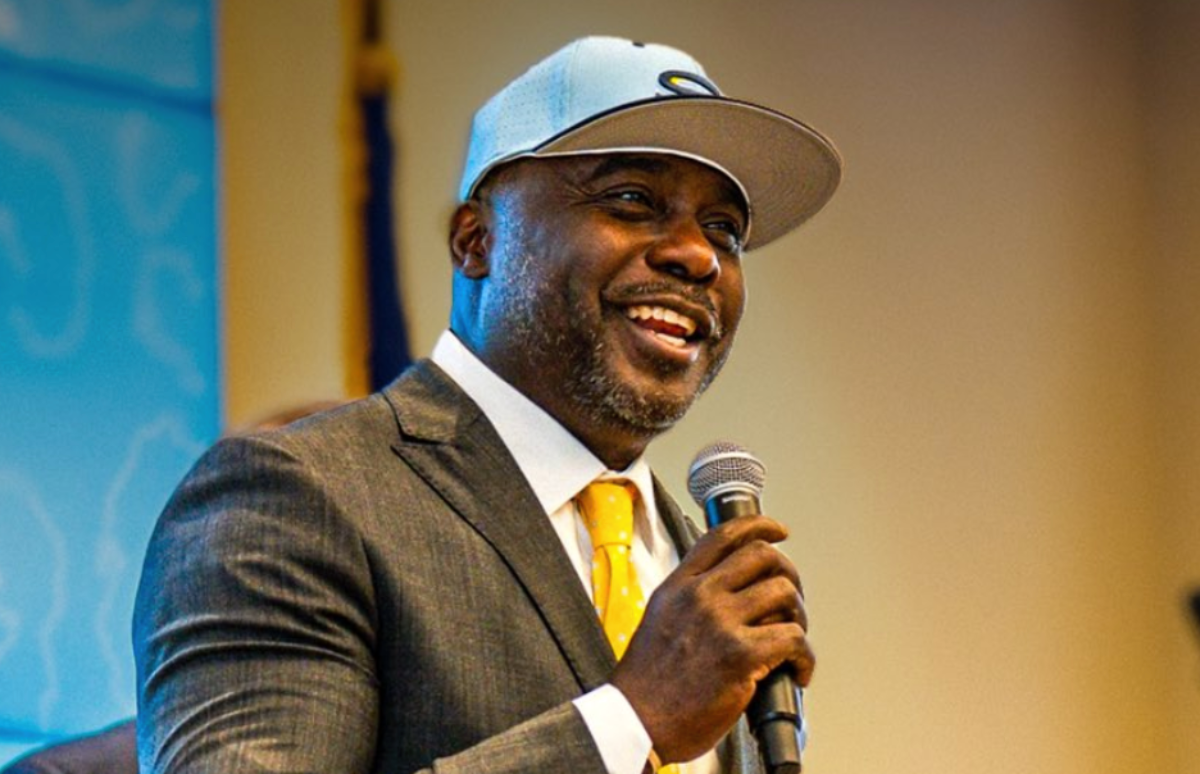
Southern University officially unveiled Pro Football Hall of Famer Marshall Faulk as the new head coach of the Jaguars football program during a packed introductory press conference at the Leon R. Tarver II Cultural and Heritage Center on Monday afternoon.
The 52-year-old New Orleans native, fresh off a stint as running backs coach at the University of Colorado, steps into the role with a legendary résumé and a passion for turning around a struggling squad.
Faulk: ‘I’m Home’ At Southern
“I’m home,” Faulk declared to a roaring crowd, his voice booming over the cheers of Southern alumni, students, and fans. “This is a calling for me. I’ve been blessed with so much in my career, and now it’s time to pour that back into these young men—on the field and off. I need you there with us, Jaguars nation. We’re going to build something special.”
The hiring caps a whirlwind week for Southern athletics. Reports of Faulk’s impending arrival surfaced last Wednesday, with ESPN sources confirming the deal just days after the Jaguars snapped a nine-game losing skid with a thrilling 28-27 victory over rival Grambling State in the Bayou Classic.
That win salvaged a dismal 2-10 season, but it also underscored the urgency for change. Former coach Terrence Graves was relieved of his duties in October following a 1-6 start, marking the fifth coaching change for the program since Dawson Odums departed in 2020.
Faulk’s three-year contract, first reported by Yahoo Sports, brings him back to Louisiana roots just 90 minutes from his Carver High School alma mater in New Orleans.
Faulk’s illustrious gridiron Career Unmatched
A two-time All-America running back at San Diego State—where he set NCAA freshman records with 386 rushing yards and seven touchdowns in a single game—Faulk exploded onto the NFL scene after being drafted second overall by the Indianapolis Colts in 1994.
Traded to the St. Louis Rams in 1999, he became the centerpiece of the “Greatest Show on Turf” offense, powering the team to Super Bowl XXXIV glory and earning NFL MVP honors in 2000.
Over his 12-year career, Faulk amassed 12,279 rushing yards, 100 touchdowns, three Offensive Player of the Year awards, and seven Pro Bowl nods, cementing his legacy with a 2011 induction into the Pro Football Hall of Fame. He also earned a spot in the College Football Hall of Fame in 2017.
Faulk’s Limited Coaching Experience: An Issue?
What makes this hire particularly intriguing is Faulk’s relative inexperience on the sidelines.
His only prior coaching gig came this fall under fellow Hall of Famer Deion Sanders at Colorado, where he mentored a Buffaloes backfield that showed flashes of brilliance amid a rebuilding year. Faulk was candid about his hesitation to return to football after retirement, citing the grueling hours he once logged as a “student of the game.”
But Sanders’ persuasive pitch—and conversations with Southern legends like Pro Football Hall of Famer Aeneas Williams and former NBA champion Avery Johnson—changed everything.”Marshall’s like a brother to me,” said Williams, a standout Jaguars defensive back in the 1980s who later won a Super Bowl with the Rams alongside Faulk.
“We texted back and forth, and I told him straight: Southern needs you. This is where you can make history.”
Johnson, who starred at Southern before a storied NBA career that included a 2011 championship with the Mavericks and a stint as an NBA head coach, echoed the sentiment: “This is a pivotal moment for Jaguar football. Marshall’s stature will elevate us all.”
Faulk arrived at the podium to the infectious rhythms of the Human Jukebox marching band, donning a custom No. 28 Jaguars jersey—a nod to his Rams glory days. Baton Rouge Mayor-President Sid Edwards was on hand to offer congratulations, presenting Faulk with a key to the city and praising the hire as a “game-changer for our community.”
University President Dennis J. Shields highlighted Faulk’s potential to boost recruiting and fan engagement at the HBCU powerhouse, which boasts one of the most passionate fanbases in FCS football.
“I’m not a regular dude,” Faulk quipped when pressed on his lack of head-coaching experience, drawing laughs from the room. “But if I’m going to do this, it’s got to be with people I trust—and for a program that means something.Southern’s tradition, the Bayou Classic, the energy here… it sold me.”
He’s not alone in that sentiment. Faulk joins a wave of NFL icons revitalizing HBCU programs, following in the footsteps of Sanders at Jackson State, Eddie George at Tennessee State, DeSean Jackson at Delta State, and Michael Vick at Norfolk State.
Local fans, still buzzing from the Grambling upset, are already dreaming big: Could Faulk’s offensive wizardry reignite the Jaguar attack that once terrorized the Southwestern Athletic Conference?
What’s Next for Southern and Faulk?
As the 2026 season looms, Faulk wasted no time laying out his vision. “We’re going to run the ball, throw the ball, and play with heart,” he said. “But more than wins, we’re building men. Discipline, brotherhood, excellence—that’s the standard.”
For now, Baton Rouge is abuzz. The man who once danced through defenses for 6,000 yards in a single season is ready to lead the charge. Go Jags. Follow Nolafi.com for updates on Southern football recruiting and spring practices.
-
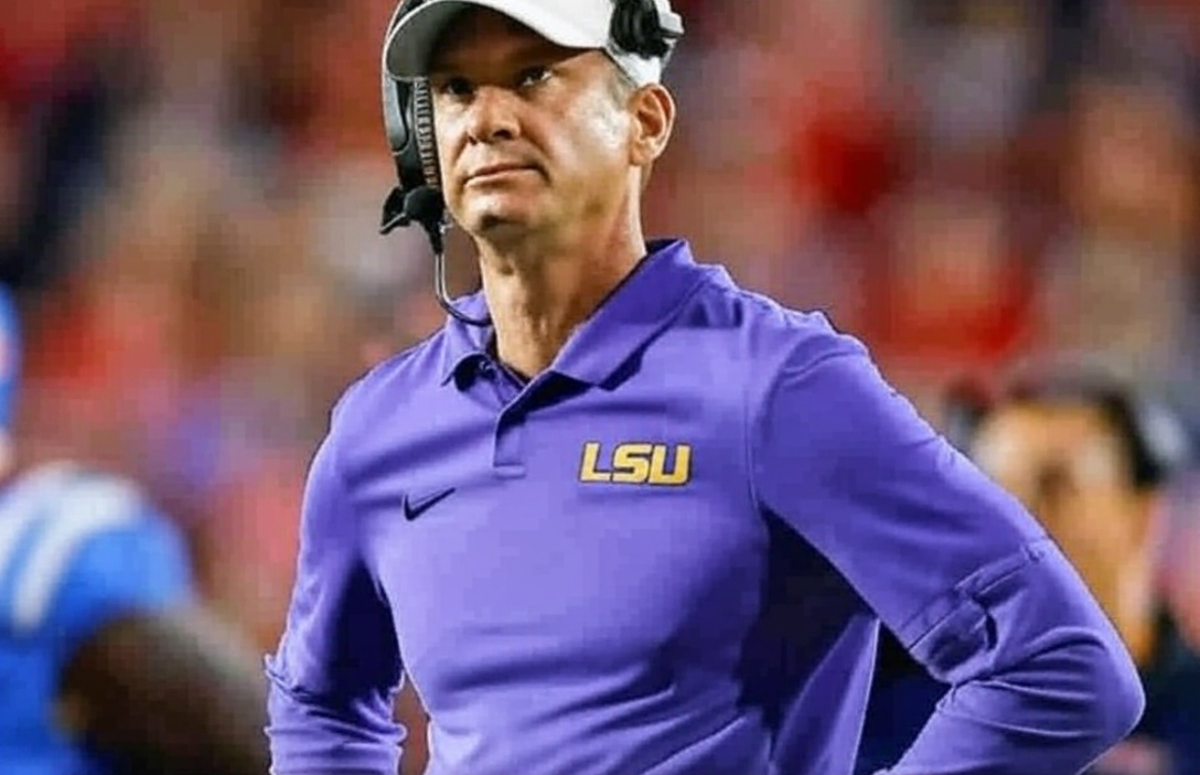
In a seismic shift for Southeastern Conference football that hits especially close to home for Louisiana fans, Lane Kiffin announced Saturday his departure from Ole Miss to become the next head coach of the LSU Tigers, replacing the recently fired Brian Kelly.
The move, revealed via a heartfelt social media post just hours after Ole Miss’s dominant 38-19 victory over Mississippi State in the annual Egg Bowl, sends shockwaves through the Bayou State and beyond, promising a fresh chapter for Tiger Stadium’s faithful.
In a statement posted on social media. Kiffin said that he would miss the Rebels, where he coached for six years. “I will forever cherish the incredible six years I spent at Ole Miss.”

Kiffin, who has engineered one of the Rebels’ most storied eras in decades, leaves Oxford with an 11-1 record this season—the program’s best in over 60 years—and a berth in the College Football Playoff.
Under his guidance, Ole Miss notched 10 or more wins in three straight seasons and earned bowl berths in five consecutive years, transforming the Rebels into a consistent SEC powerhouse.
“I made the difficult decision to accept the head coaching position at LSU,” Kiffin wrote on X (formerly Twitter), adding that he would always cherish his time in Mississippi and root for Ole Miss’s championship dreams.
The timing couldn’t be more poignant for Louisiana: Kiffin’s hire comes on the heels of Kelly’s abrupt dismissal following a middling 7-5 campaign for the Tigers, capped by a stinging loss to No. 8 Oklahoma.
LSU Athletic Director Verge Ausberry wasted no time in celebrating the hire, calling Kiffin “a proven winner whose passion, creativity, and authenticity make him the ideal leader to guide LSU into the future.”
For Baton Rouge boosters and purple-blooded fans from Shreveport to the Crescent City, this is seen as a coup—a chance to inject Kiffin’s offensive wizardry into a program hungry for national relevance after back-to-back underwhelming seasons.
Kiffin’s Ole Miss exit wasn’t without drama. Athletic Director Keith Carter denied the coach’s request to lead the Rebels through their playoff run, instead elevating defensive coordinator Pete Golding to interim head coach.
Golding, praised by Carter for his ability to “galvanize the team,” now inherits a squad primed for postseason glory. Kiffin’s final act in Oxford was a masterclass in the Egg Bowl rivalry, a 38-19 thrashing of the Bulldogs that underscored why he’s one of the hottest names in college football.
With a career record of 116-53 across 14 seasons—including stints at Tennessee, USC, and Florida Atlantic, plus a brief NFL detour with the Raiders—Kiffin brings SEC pedigree and a flair for the dramatic to Death Valley. He reportedly consulted legends like Nick Saban and Pete Carroll before pulling the trigger, and in a post-game reflection after the Egg Bowl, admitted the decision tugged at his heartstrings, especially with his father, Monte Kiffin, by his side.
This hire quells swirling rumors that had linked Kiffin to other SEC vacancies, including Florida, which instead tabbed Jon Sumrall. For LSU, it’s a bold pivot toward innovation: Kiffin’s up-tempo offenses have lit up scoreboards and recruiting trails alike, and his arrival could supercharge a roster brimming with Louisiana talent.
Local high school stars and junior college phenoms may now flock to Baton Rouge in droves, bolstering the in-state pipeline that’s long been the Tigers’ lifeblood.
As Geaux Week festivities wind down and playoff fever builds, Louisiana football faithful are buzzing. Will Kiffin’s swagger translate to national titles under the oaks? One thing’s certain: The Bayou just got a whole lot more electric.
Stay tuned to NOLAFI.com for updates on Kiffin’s staff hires, spring practice previews, and how this reshapes the Tigers’ 2026 slate.
NOLA Gridiron is your source for Louisiana college football news, from LSU to the SWAC and beyond. Follow us on X @NOLAGridiron for real-time updates.
-

New Orleans has long been a city where history, culture, and commerce intertwine like the branches of a live oak.
From the bustling streets of the French Quarter to the shaded avenues of the Garden District, shopping here isn’t just about acquiring goods—it’s about immersing yourself in the soul of the Crescent City.
Where To Shop in New Orleans
Whether you’re hunting for Mardi Gras beads, one-of-a-kind antiques, or high-end designer threads, our city’s retail scene offers treasures that capture its vibrant spirit.
As we head into the holiday season, we’ve curated a guide to the best places to shop in New Orleans, drawing on local favorites and timeless hotspots. Grab your reusable tote and let’s explore.
1. Magazine Street: The Ultimate Local Treasure Hunt

Stretching six miles through Uptown and the Garden District, Magazine Street is the beating heart of New Orleans shopping.
This eclectic corridor boasts over 300 independently owned boutiques, galleries, and antique shops, where you can browse everything from vintage clothing at Funky Monkey to handmade jewelry at local artisan stalls.
It’s perfect for leisurely strolls past historic mansions, with stops for beignets or pralines to fuel your spree. Recent additions like Home Malone offer curated home decor with a Crescent City twist, making it ideal for gifting unique NOLA-inspired pieces.
Pro tip: Start at the Uptown end near Audubon Park for fewer crowds and more hidden gems.
2. French Quarter: Antiques, Art, and Authentic Souvenirs

No visit to New Orleans is complete without wandering the French Quarter’s cobblestone streets, where shopping feels like stepping into a living museum.
Royal Street reigns supreme for antiques, with galleries like M.S. Rau offering rare 18th-century furnishings and fine art that whisper tales of the city’s Creole past.
For something more whimsical, pop into Voodoo Authentica on Dumaine Street, a hotspot for spiritual curios, handmade gris-gris bags, and books on local mysticism—prices start as low as $5 for a charm.
And don’t miss the French Market, the oldest open-air market in the U.S., spanning six blocks with over 140 vendors selling fresh pralines, street art, and Mardi Gras masks.
Evenings bring the Frenchmen Art Bazaar to life, where local artists hawk vibrant paintings under string lights—pure magic after dark.
3. Canal Place: Luxury with a Side of Jazz

For those craving upscale indulgence, Canal Place in the Central Business District delivers without the pretension.
This three-story mall at the foot of Canal Street houses heavy hitters like Saks Fifth Avenue, Louis Vuitton, and Tiffany & Co., alongside local jewels such as Mignon Faget’s jewelry atelier, known for her iconic fleur-de-lis designs in gold and silver.
It’s air-conditioned bliss on humid days, with a food court featuring po’boy spots for a quick recharge. Designers rave about it as a one-stop for sophisticated souvenirs, like custom-engraved silverware or silk scarves evoking the Mississippi’s flow.
Holiday shoppers, note the festive window displays that rival any Big Apple spectacle.
4. Riverwalk Marketplace: Outlet Deals Meets River Views
Overlooking the mighty Mississippi, the Riverwalk Marketplace combines outlet bargains with postcard-perfect scenery.
Spanning a quarter-mile along the waterfront, it’s packed with 75+ stores including Nike Factory Store, H&M, and a massive Under Armour outlet—perfect for stocking up on activewear or holiday gifts at up to 70% off.
The vibe is casual and family-friendly, with live jazz performances and riverboat sightings adding to the charm.
Grab a sno-ball from a nearby vendor while eyeing deals at the Levi’s outlet. It’s especially buzzing during weekend street festivals, blending shopping with NOLA’s free-spirited energy.
5. Crescent City Farmers Market: Fresh Finds and Farm-to-Table Treasures
For a shopping experience that’s as fresh as it is flavorful, head to the Crescent City Farmers Market, one of the oldest in the city since 1995.
Held Tuesdays, Thursdays, and Saturdays at various spots like the French Market or Lafayette Square, it features over 100 vendors slinging seasonal produce, hot sauces, and artisanal cheeses from Louisiana farms. Beyond groceries, snag beeswax candles, hot honey, or hand-painted tote bags—proceeds often support local nonprofits. It’s more than a market; it’s a community pulse where you can chat with growers over a cup of chicory coffee.
neworleans.comWhy Shop Local in NOLA?In a city rebounding stronger than ever post-pandemic, supporting independent shops keeps our creative economy thriving. From the sustainable fashion at Buffalo Exchange on Magazine to the cultural artifacts at the Historic New Orleans Collection’s gift shop, every purchase tells a story.
As one local designer notes, “New Orleans shopping is about collecting moments, not just merchandise.”
Whether you’re a lifelong resident or a first-time visitor, these spots promise more than bags full of goodies—they deliver a taste of what makes New Orleans eternally enchanting. What’s your go-to shopping haunt? Share in the comments below, and happy hunting!
-
As the 2025 Atlantic hurricane season winds down on November 30, New Orleans dodged the bullet of a direct hit—marking a mercifully subdued year compared to the hyperactive chaos of 2024.
Forecasters like NOAA predicted 13-19 named storms, with above-average activity fueled by warm Gulf waters, but the season clocked in closer to average: 13 named storms, five hurricanes, and four majors (Erin, Gabrielle, Humberto, and Melissa).
A Good Year for New Orleans (No Hurricanes)
Only two brushed the U.S. Gulf Coast as tropical storms, sparing NOLA from the catastrophic landfalls that plagued Florida and the Carolinas.
et, with 20 years since Katrina’s devastation, the season has amplified conversations on resilience, power outages, and climate threats. Here’s the lowdown on how it all played out for our bayou backyard:
No Direct Strikes, But Close Calls Kept Us on Edge
Unlike last year’s Helene and Milton battering the Southeast, 2025’s Gulf threats fizzled. Tropical Storm Gabrielle skimmed Louisiana in early October, dumping 15 inches of rain on New Orleans and flooding low-lying homes in Jefferson Parish—some swept away in Gentilly.
A late-September low-pressure system off Florida brought gusty winds and scattered showers to the coast, but development odds stayed low at 20%.
Melissa, the season’s big Caribbean punch (Cat 4 over Jamaica and Cuba), deflected harmlessly eastward thanks to a timely cold front. gulfcoastnewsnow.com Overall, no evacuations or major infrastructure hits here—homicides even dipped 13% citywide amid the relative calm. @RGulliory667
Power Outages: The Silent Killer That Didn’t Strike Hard
Grassroots pushes for solar resilience, like Together New Orleans’ community grids at spots such as St. Bernard Community Center, proved prescient but underused this year.
Entergy reported minimal widespread blackouts—far from Ida’s 2021 grid meltdown—thanks to pre-season hardening like metal pole swaps. veritenews.org Still, Gabrielle’s bands caused brief flickers in Algiers, sparking fresh debates: With Gulf waters hitting record heat (upper 80s°F), why isn’t NOLA’s grid more “hurricane-proof”?
Entergy’s crews restored power in hours, but advocates say it’s the outages post-storm that claim lives via heat or medical failures.
Katrina@20: Reflection and Resilience in the Rearview
This season’s timing—peaking around Katrina’s 20th anniversary—turned every weather alert into a history lesson. Events like the Georgetown Humanities Initiative’s Katrina@20 symposium (Oct 22-24) dissected memory, culture, and environmental justice, drawing crowds to panels on levee upgrades.
The $14.5B Hurricane and Storm Damage Risk Reduction System held firm, protecting against a 100-year storm, but experts warn of sinking wetlands amplifying future floods. neworleans.com +1 Documentaries on families’ survival stories aired citywide, reminding us: Katrina displaced 1 million and killed over 1,000—lessons etched in our second lines.
Federal Cuts and Local Prep: A Tense Backdrop
As Trump-era slashes hit NOAA’s forecasting budget, NOLA’s Office of Homeland Security ramped up with a $7M Earhart Boulevard warehouse for supplies.
New NHC tools—like 72-hour advisories for potential cyclones and rip current maps—gave us extra prep time, but critics fear underfunding could blindside us next year.
Community drills emphasized “silver buckshot” fixes: tree canopies to combat heat islands, naloxone stockpiles for flood-trapped overdoses, and solar backups. @TreeCanopyNOLA Turnout for these? Up 25% from 2024.
Caribbean Solidarity and a Mild Close-Out
Melissa’s wrath abroad inspired local action—Bayou Bacchanal 2025 (this weekend) funnels proceeds to Jamaican and Cuban relief, blending brass bands with fundraisers.
With no threats brewing (thanks to cooling Gulf temps and Saharan dust), we’re eyeing a quiet November—daytime highs in the low 80s, dipping to mid-60s nights.
But as NOAA’s Laura Grimm notes, “Impacts reach far beyond coasts”—inland flooding from Erin-like rains hit Baton Rouge hard earlier. noaa.gov Stay ready, y’all: One storm changes everything.
As we exhale, remember Katrina’s legacy: We’re tougher, greener, and louder. For real-time updates, download the WWL-TV app or text APP to 504-529-4444.
wwltv.com What’s your go-to storm prep hack? Drop it in the comments—let’s keep the conversation going.
More From NolaFi.com:
-

The decision was as swift as it was seismic: Just 24 hours after a humiliating 49-25 home loss to Texas A&M, LSU athletic director Scott Woodward pulled the trigger on Brian Kelly’s tenure as head football coach.
The move, confirmed by multiple sources including ESPN’s Pete Thamel, ends Kelly’s four-year experiment in purple and gold with a staggering $54 million buyout attached – the second-largest in college football history.
Inside Brian Kelly’s Buyout at LSU
Brian Kelly’s buyout at LSU is approximately $54 million.
This figure stems from Kelly’s 10-year, $100 million contract extension signed in December 2021, which includes a buyout clause requiring LSU to pay 90% of his remaining salary and supplemental compensation if he’s terminated without cause during the season.
As of October 26, 2025—midway through the fourth year of the deal—the exact amount is estimated at $52.38 million to $53.29 million, depending on prorated bonuses and the precise timing, but it’s widely reported as rounding to $54 million in media coverage.
This makes it one of the largest coaching buyouts in FBS history, second only to Texas A&M’s $76.8 million owed to Jimbo Fisher in 2023. Negotiations could potentially reduce it through mutual agreement, but sources indicate no resolution yet on the full payout.
Why Brian Kelly Had To Go At LSU
For a program built on national titles and unrelenting expectations, the parting was not just inevitable; it was overdue. But why now? And why Kelly, whose 34-14 overall record (.708 winning percentage) on paper looks respectable?
A deep dive into the Tigers’ unraveling reveals a toxic brew of on-field mediocrity, cultural disconnect, locker room erosion, and a fanbase pushed to the brink.
The Breaking Point: A Season of Squandered Promise
LSU’s 2025 campaign began with glimmers of hope. An opening-week road upset over Clemson hinted at the explosive potential Kelly’s offense could muster, buoyed by a top-10 recruiting class and key transfer portal additions like quarterback Garrett Nussmeier’s evolution into a bona fide SEC starter.
But the shine faded fast. Back-to-back gut punches – a 24-17 stumble at Vanderbilt and the A&M rout – dropped the Tigers to 5-3, exposing a defense that surrendered 49 points on their home turf for the first time since 2016.
Texas A&M’s Marcel Reed, a dual-threat freshman, carved up LSU’s secondary for 278 total yards and four scores, turning Tiger Stadium into a tomb of silence.
This wasn’t an isolated collapse. Kelly’s Tigers have now lost three of their last four SEC games, including a 34-24 defeat to Ole Miss that foreshadowed defensive woes.
The A&M loss, however, was the dam-breaker. Fans streamed out early, chanting “Fire Kelly!” as the fourth quarter dragged on – a scene eerily reminiscent of the 2023 Florida debacle.
“Unacceptable,” Kelly called it in his postgame presser, a word that rang hollow after three-plus seasons of similar mea culpas.
Woodward, facing his own scrutiny after high-profile misses like the 2022 hire of defensive coordinator Matt House, couldn’t ignore the math any longer.
With Alabama looming on November 8 and the transfer portal window cracking open, stasis meant stagnation.
Firing Kelly midseason – a rarity for LSU since Les Miles in 2016 – signaled a desperate bid to salvage bowl eligibility and roster stability.A Gilded Record Hiding Deeper FlawsKelly arrived in Baton Rouge in November 2021 as a $100 million savior, fresh off a 113-40 Notre Dame run and armed with promises of championships.
His early returns dazzled: A 10-3 mark in 2022, capped by an SEC West title and Jayden Daniels’ Heisman Trophy, felt like a return to the Ed Orgeron glory days. But peel back the layers, and the shine dulls.Kelly’s 34-14 ledger masks a 5-11 skid against ranked opponents – a glaring indictment in the SEC’s gladiatorial arena.
No College Football Playoff berth. No SEC Championship Game appearance. His teams went 6-2 in SEC play in both 2023 and 2024, respectable but far from the dominance LSU boosters crave after the 2019 national title.
The 2025 offense, once a juggernaut averaging 35 points per game in 2022, has sputtered to 28.5 this fall, plagued by turnovers (12 in eight games) and red-zone inefficiency (72% touchdown rate, down from 85% last year).
Defensively, the regression is stark. Kelly’s units ranked 12th nationally in yards allowed in 2022 but ballooned to 45th in 2024 and a woeful 78th through eight games this season.
The firing of House after 2023’s 34th-place finish did little to stem the tide; interim schemes under new DC Blake Baker have yielded zero improvement. Critics point to Kelly’s micromanagement – a hallmark from his Grand Valley State days – as stifling adaptation in the modern, high-scoring SEC.
In a conference where Georgia and Alabama feast on top-25 matchups, Kelly’s Tigers feasted on cupcakes.
Eight of his 34 wins came against unranked non-conference foes, a scheduling quirk that inflated stats but crumbled under prime-time pressure.
“He’s a regular-season coach, not a playoff guy,” one anonymous SEC assistant told ESPN.
For LSU, where “ring culture” isn’t a slogan but a mandate, that distinction proved fatal.
The Intangibles: Arrogance, Culture Clash, and a Fractured Locker Room
Numbers tell part of the story; vibes tell the rest. Kelly’s brash persona – the awkward sideline dances, the post-win sideline scuffles, the infamous “LSU is better than Notre Dame because we prioritize football” quip – never meshed with Baton Rouge’s blue-collar fervor.
Fans, who embraced the swashbuckling Ed Orgeron as one of their own, saw Kelly as an outsider: A Yankee transplant more at home in South Bend than the bayous.
The disconnect ran deeper. Former LSU star and current NFL linebacker Harold Perkins Jr. – wait, no, that’s a current player; actually, ex-Tiger Devin White lambasted Kelly publicly last week, accusing him of fostering a “country club” environment where accountability evaporated.
Reports of locker room brawls and player-led mutinies surfaced in the wake of the Vanderbilt loss, with sources citing Kelly’s “coaching down” style – berating rather than elevating – as alienating a roster of Louisiana-bred talent.
“He doesn’t get it,” White said on a podcast. “LSU is family. Kelly treats it like a job.”
youtube.comSocial media amplified the unrest. X (formerly Twitter) lit up post-A&M with calls for Kelly’s ouster, from booster-backed accounts decrying his “mediocrity” to everyday fans like @smoovedog1 labeling him a “dumbass.” One viral thread from @PatSimonTV broke the firing news first, racking up thousands of views as Tigers faithful exhaled in relief.
@PatSimonTV Even national pundits piled on: USA Today’s Ross Dellenger framed Kelly’s LSU stint as a “four-act tragedy,” from triumphant arrival to inevitable exit.
The Bottom Line: Money, Momentum, and the Path Forward
The $54 million albatross loomed large, but inaction would have cost more in lost revenue and recruiting ground. LSU’s 2025 class, ranked No. 7 nationally, includes blue-chippers like five-star QB Bryce Underwood, but rivals like Texas and Alabama were circling amid the chaos.
Portal poaching could decimate the roster; talents like edge rusher Sai’vion Jones and WR Nic Anderson have already decommitted verbally.
Boosters, weary of $150 million facility upgrades yielding zero rings, demanded change. Woodward’s job hangs in the balance – social media users branded him “clueless” after the Kelly hire – but swallowing the buyout buys time.
profootballnetwork.com Interim coach Frank Wilson, a Louisiana recruiting savant with ties to the program’s golden era, steps in to steady the ship through Alabama and beyond.
Speculation swirls around replacements: Ole Miss’ Lane Kiffin, whose Ole Miss teams mirror LSU’s aspirational blueprint; Louisiana native Jon Sumrall of Tulane; or even a splashy reunion with Marcus Freeman.
Kiffin, in particular, emerges as the fan favorite – “Get Lane at whatever cost,” one fans said.
A Necessary Reckoning for Tiger Nation
Brian Kelly didn’t fail LSU; he simply wasn’t the right fit for its insatiable soul. In a sport where legacies are forged in Death Valley’s roar, his calculated approach clashed with the chaos that breeds champions.
The firing, painful as it is, resets the clock on a dynasty dormant since Joe Burrow’s 2019 miracle.As running back Caden Durham told reporters post-meeting last night, “We play for LSU, not a coach.”
With Wilson at the helm and the carousel spinning, the Tigers eye redemption. Geaux Tigers? Damn right – but only if they learn from this parting.
-
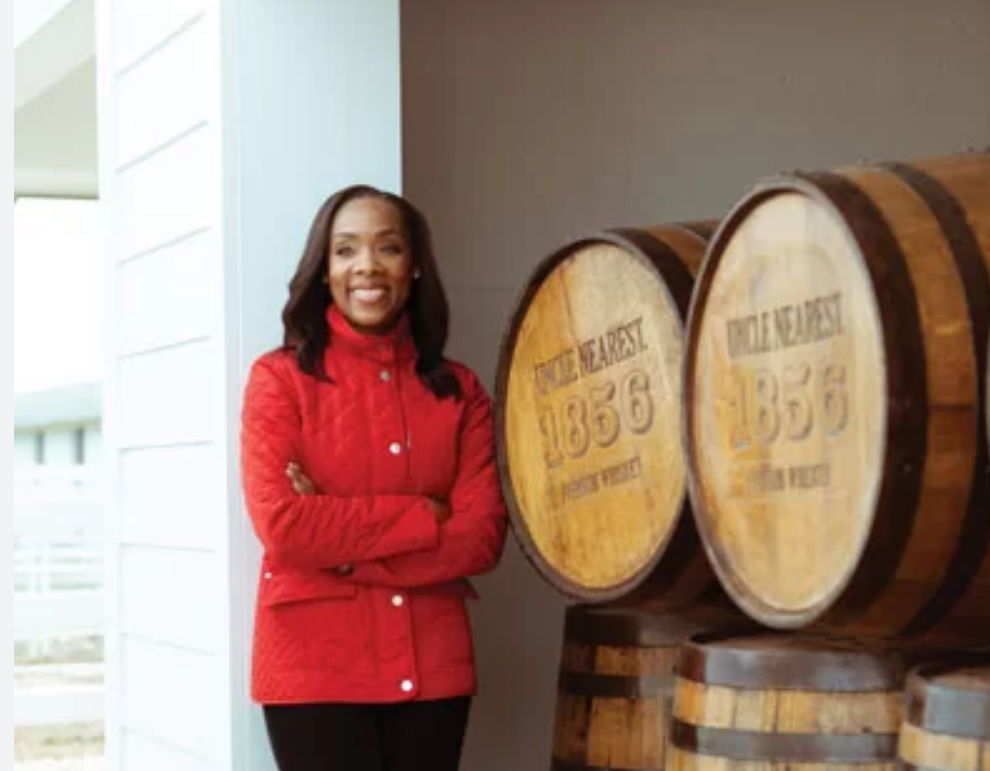
In a startling development for one of the spirits industry’s most celebrated success stories, Uncle Nearest Premium Whiskey—the Black- and woman-owned brand that skyrocketed to become America’s second-best-selling Tennessee whiskey—is preparing to offload key non-core assets as part of a court-mandated receivership.
The move, detailed in recent court filings, comes amid ongoing financial restructuring efforts and fresh allegations from founder Fawn Weaver of a targeted “smear campaign” by the company’s lender.
But beneath the accolades lay mounting pressures. In July 2025, lender Farm Credit Mid-America filed a lawsuit in U.S. District Court for the Eastern District of Tennessee, accusing the company of defaulting on over $108 million in loans.
The complaint alleged misuse of funds, including a $2 million purchase of a Martha’s Vineyard estate in 2023, and the sale of discounted futures contracts. By August 22, a federal judge placed Uncle Nearest into receivership, appointing Phillip G. Young Jr. to oversee operations and safeguard assets.
For consumers, the news signals potential changes to the brand’s ambitious expansions but reassurance that its flagship whiskeys will remain on shelves.
A Rapid Rise Meets Financial Headwinds
Started in 2017 by author and entrepreneur Fawn Weaver, Uncle Nearest honors Nathan “Nearest” Green, the formerly enslaved master distiller who taught Jack Daniel the art of whiskey-making in the late 1800s.
Young’s initial report, filed October 1, painted a cautiously optimistic picture: No evidence of financial impropriety by Weaver, her husband Keith, or current management was found, and a 13-week budget showed revenues sufficient to cover operating costs—minus $2.5 million in one-time fees covered by short-term lender funding.
Liquidating the French Cognac estate and Square One vodka might generate quick cash—potentially $15-25 million from the Cognac alone—to stabilize operations, but it could also mean tighter marketing budgets.
In a market like New Orleans, where premium spirits prices have held steady post-pandemic (Louisiana’s overall alcohol sales rebounded 8% in 2024 per state data), a 5-10% uptick isn’t out of the question if operational efficiencies lag.Local fans grabbing a bottle might notice subtle shifts by early 2026.
To date, the receiver has trimmed the workforce by 13% (12 employees), repaired ties with Farm Credit, and verified barrel inventories with partner Tennessee Distilling Group.
Asset Sales on the Horizon: Cognac, Vodka, and Beyond
Central to the restructuring is a strategic divestiture of “non-income-producing” assets, aimed at injecting cash without gutting the core business. High on the list: the nascent Cognac venture.
Uncle Nearest acquired Domaine Saint Martin—a historic vineyard and estate in Cognac, France—in 2023, with plans to debut a premium Cognac line in 2024.
But with launch costs estimated at $15-25 million and the company cash-strapped, the receiver recommends liquidation. One formal offer and two inquiries are already in play, with a court motion for sale expected soon.
Other targets include the vodka arm, Square One Organic Spirits (snapped up in May 2024), and real estate parcels such as the controversial Martha’s Vineyard property, a Bedford County, Tennessee, holding, and additional French assets tied to the chateau.
“A fire sale is not anticipated,” Young’s report noted, emphasizing that these moves could pave the way for a swift exit from receivership by Q1 2026.
Chapter 11 bankruptcy remains a tool in the toolkit for reorganization, but liquidation under Chapter 7 is off the table.
The receiver stressed the brand’s “long-term viability” as a going concern, with its whiskey lineup—anchored by the 100-proof flagship and barrel-proof expressions—proving resilient even in tough markets.
Weaver Fires Back: “Smear Campaign” Allegations Rock the Narrative
The plot thickened today at the Inc. 5000 Conference in Phoenix, where Weaver took the stage for a fireside chat titled “Reclaiming Your Company in Turbulent Times.”
In a candid address, the CEO accused Farm Credit of orchestrating a reputational hit job, spotlighting the Martha’s Vineyard estate as a ploy to sway the Tennessee judge.
“Their hope was that the judge would see it, would accept the smear, and would turn over keys of my company to them,” Weaver declared, dismissing the property as anything but a vacation retreat and highlighting her California roots.
Weaver and Uncle Nearest have countered in court filings that the lender overlooked key context, failed to secure liens on seven of eight collateral properties (including Martha’s Vineyard), and even praised the acquisition during a 2023 visit by Farm Credit execs—complete with a company Gospel Brunch.
She alleged fraud by a former CFO and vowed to submit more evidence, adding, “I still have not filed anything.” The Weavers have recused themselves from day-to-day management during receivership but remain vocal advocates for the brand’s mission.
What This Means for Consumers: Stability for Whiskey Lovers, Uncertainty for Expansions
For the everyday imbiber, the immediate outlook is steady: Uncle Nearest’s core Tennessee whiskeys, distilled in partnership with Uncle Nearest’s Distillery in Shelbyville and aged to perfection, face no existential threat.
The brand’s distribution remains intact, with bottles available nationwide and online, and its cultural cachet—fueled by collaborations like the Jack Daniel’s diversity push—intact.
Final Word
As a top-tier convention city, New Orleans is known for its many festivals, parties and events. Is the city safe? Of course. That also means that Nola is also a top travel destination.
Want real-time tips on how to save when you’re on a trip? Read our Travel Savings Guide,
Once you pack your luggage, you should be ready for your trip. Make sure you have found the cheapest flights from New Orleans that are on sale. And don’t forget to check Southwest.
New Orleans is one of the most convenient places to travel to and from. A large part of that is because Louis Armstrong International Airport is so accessible.
More Articles Like This:
-
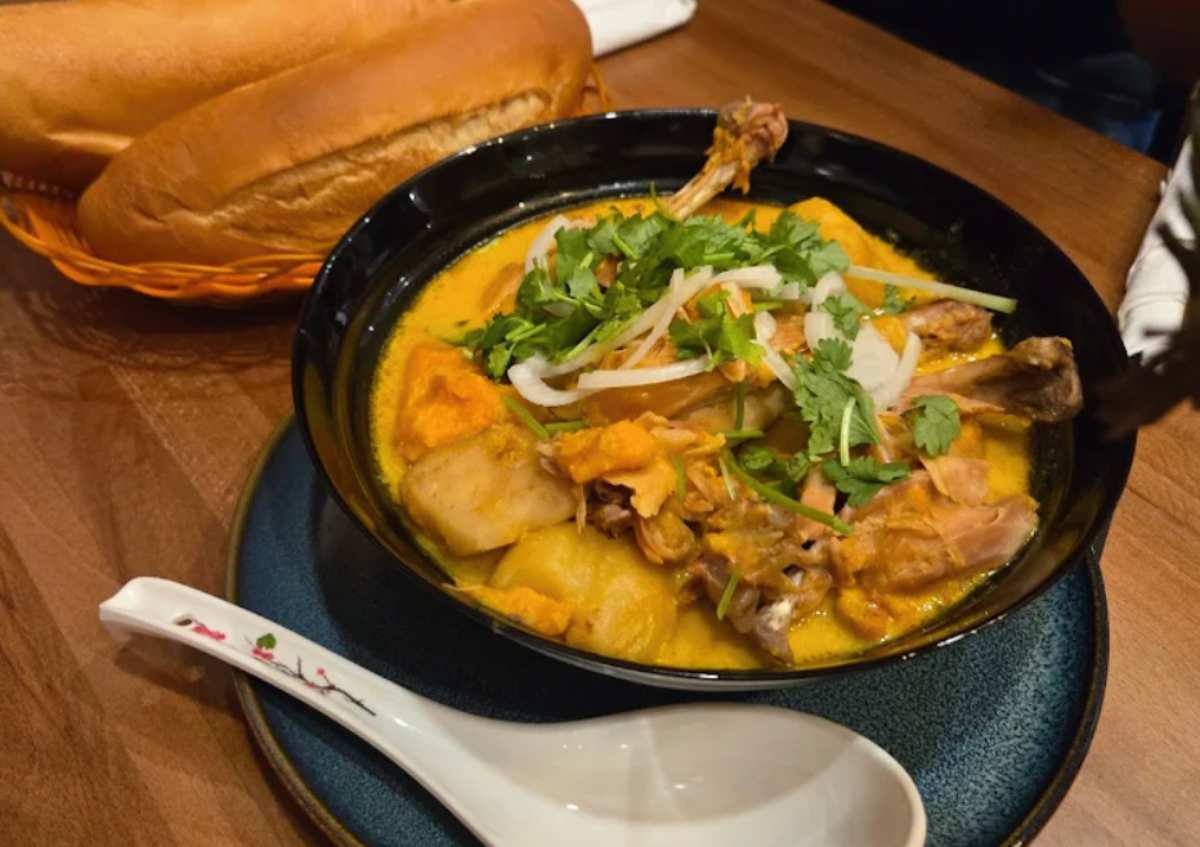
New Orleans’ dining scene just got a flavorful infusion of family-rooted Vietnamese cuisine with the soft opening of Môi, a cozy new spot on St. Claude Avenue that’s already drawing crowds eager for dishes that feel like a warm invitation into someone’s home kitchen.
Get This Deal at of Môi in New Orleans
Through November 2, dine-in guests score 15% off, so swing by soon to claim your seat in this flavorful family affair.
Tucked into the former digs of beloved poke haven Poke-Chan at 2809 St. Claude Ave., Môi swung open its doors on October 19 for a soft launch, serving up lunch and dinner Thursday through Tuesday (with Wednesdays off for good measure).
The shotgun house vibe—complete with delicate lotus leaf wall patterns—sets an anytime-casual tone, perfect for lingering over bold, interactive plates. Pro tip: It’s BYOB, but fear not, the adjacent Faubourg Wines bottle shop has you covered for pairings.
At the heart of Môi is the Nguyen family trio: sisters Susan and Cindy Nguyen, helming the front-of-house energy, and their mother, Selena Nguyen, who’s the undisputed queen of the kitchen.
Selena’s story is as rich as her braises—she honed her craft through sheer intuition in Ho Chi Minh City, where factory shifts left little room for formal lessons, then refined it on a migrant path through Cambodia and Thailand before landing in New Orleans.
Here, she ran a nail salon by day and fed her community by night, turning personal recipes into something uniquely hers. “It’s not copied from anyone,” she insists, and one taste proves it.
What’s On the Menu at of Môi?

The menu clocks in at 28 dishes, many offered in small or full sizes to encourage sampling, with rotating specials on the horizon.
This isn’t your standard pho-and-spring-roll lineup; Môi dives deeper into homestyle traditions that spotlight Vietnam’s layered flavors, from fermented funk to caramelized sweetness. Standouts include:
- Bún Riêu: A crab and tomato noodle soup that’s pure comfort in a bowl—a clear, hearty broth loaded with a quiche-like crab-pork cake, pork meatballs, fried tofu, ham hock, and even a slice of congealed pork blood for that mineral edge. Diners pile on herbs, cabbage, and sprouts for a DIY flavor bomb. nola.com
- Đậu Hũ Nhồi Thịt Sốt Cà Chua: Tofu pockets stuffed with pork meatballs and braised in a tangy tomato sauce—simple, soul-satisfying, and begging for crusty baguette to mop up every drop.
- Gỏi Mực: Calamari salad with crunchy cabbage, tart green apple slices, fresh herbs, and tender squid rings tossed in fish sauce. It’s a bright, textural crunch that cuts through richer plates.
- Thịt Kho Trứng: Braised pork belly and eggs in a Vietnamese caramel sauce, where sweet-sour notes amplify the savory depth—think slow-cooked perfection that’s equal parts tender and addictive.
For the adventurous, Bún Đậu Mắm Tôm brings a fermented shrimp sauce platter with roast pork, pig intestine, fried tofu, and sugarcane-skewered shrimp mash, all wrapped in lettuce with rice noodles. It’s bold, pungent, and not for the faint of heart—but locals in the know are already raving about it as a gateway to “next-level” Vietnamese eats.
nola.comVegetarians won’t feel sidelined, thanks to gems like Chả Giò Chay—egg rolls with a vegan “fish” sauce that’s intensely umami. And don’t skip the chilled Chè Thái, a coconut milk dessert that’s like a tropical smoothie-soup hybrid, ideal for cooling down after spice.Critic Ian McNulty, who sampled the spread during opening week, calls Môi an “advanced course” in Vietnamese cuisine, praising its depth and the way it invites hands-on eating—like tearing into ham hocks or assembling wraps tableside.
nola.com “It’s a delight that opens new doors for the depth of flavor in Vietnamese cooking,” he writes, noting how Selena joins the family for pre-shift meals that echo the restaurant’s welcoming ethos.The name “Môi” itself nods to a Vietnamese word for “welcome,” uttered before meals to draw loved ones closer—a fitting mantra for a spot that’s already fostering community in the St. Claude corridor.
Final Bite
Môi is open 11 a.m. to 9 p.m. Thursday–Tuesday at 2809 St. Claude Ave. For reservations or takeout, hit up (504) 459-2161 or @moi.nola on Instagram. In a city that thrives on bold new bites, Môi feels like the homecoming we’ve been craving.
When New Orleans’ food is mentioned on a national level, it somehow always reverts back to gumbo, which is the best around, although the city’s eateries certainly represent those dishes well, there’s so much more.
More From NolaFi.com:
-

With the Pelicans tipping off the season and Saints fever building, Louisiana’s sports betting scene is hotter than a Mardi Gras midday. And so are the scrutiny and federal probes.
Legal since a voter-approved referendum in 2020, wagering on your favorite teams is now a staple in the Crescent City and beyond. But as the handle hits record highs—topping $377 million in December 2024—it’s worth brushing up on the rules keeping the game fair and fun.
Sports Betting in Louisiana: What To Know
Here’s the lowdown on Louisiana’s sports betting regs, straight from the Louisiana Gaming Control Board (LGCB) and state law.
Quick Legality Snapshot
Sports betting is fully legal in 55 of Louisiana’s 64 parishes, including Orleans (hello, Smoothie King Center tailgates).
The nine holdouts—no dice—are Caldwell, Catahoula, Franklin, Jackson, La Salle, Sabine, Union, West Carroll, and Winn.
Retail books launched October 6, 2021; mobile apps went live January 28, 2022. The LGCB oversees it all, ensuring operators play by the book.
Key Milestone Date Voter Approval November 3, 2020 (55 parishes) Retail Launch October 6, 2021 Mobile Launch January 28, 2022 2024 Handle Record $377M (December) Who Can Bet? Age, Location, and ID Rules
To place a wager, you gotta check these boxes—no shortcuts:
- Age: 21 or older. No exceptions, even for that “lucky” 20-year-old.
- Location: Physically inside an approved parish. Apps use geofencing tech to lock you out if you’re in a dry spot (or hopping the state line).
- ID Verification: Upload your driver’s license or passport on signup. No residency required—tourists from Texas or Tennessee can join the action.
- Exclusions: Banned if you’re on a self-exclusion list, or if you’re a player, coach, ref, or insider in the event you’re betting on. High school sports? Totally off-limits.
Pro tip for NOLA locals: That Uber from the Quarter to Metairie? Fine, as long as you’re in green territory.
What Can You Bet On? (And What You Can’t)
Louisiana keeps it broad but buttoned-up. Legal wagers cover pro leagues (NFL, NBA, MLB, NHL), college ball (yep, LSU Tigers games), MMA, NASCAR, esports, and horse racing. Options include:
- Straight Bets: Moneylines, point spreads, over/unders.
- Futures: Super Bowl winner, Heisman Trophy.
- Props: Player stats like Zion’s points or Drew Brees… wait, Carr’s passing yards.
- Live Betting: In-game action, like next Saints touchdown scorer.
- Parlays and Teasers: Stack ’em for bigger payouts.
No-Gos:
- High school or youth events.
- Bets on games you influence (e.g., no wagering on your kid’s peewee league).
- Dog racing (banned statewide).
- Crypto bets on licensed apps—stick to cards or e-wallets.
Offshore sites like Bovada tempt with extras (politics, entertainment), but they’re unregulated—use at your own risk, and the LGCB doesn’t back ’em.Top Legal Sportsbooks in LouisianaEight to ten operators hold licenses, each tied to a casino or track. Here’s the lineup for 2025:
Operator App/Retail Partners Welcome Bonus Example FanDuel Amelia Belle, Delta Downs, Sam’s Town, Treasure Chest Bet $5, get $200 in bonus bets DraftKings Evangeline Downs, Golden Nugget Up to $1,000 in bonuses Caesars Harrah’s New Orleans, Horseshoe Bossier 10x 100% match up to $2,500 BetMGM (Online-focused) Up to $1,500 in bonus bets BetRivers (Various retail) 100% match up to $500 Fanatics (Emerging) Up to $1,000 in no-sweat bets Bet365 (Online) Bet $5, get $150 Hard Rock Bet (Online/retail) Up to $100 back if first bet loses Barstool Boomtown casinos Varies by promo Retail spots dot the map: Harrah’s in the French Quarter, Coushatta up north, Delta Downs for track vibes. Louisiana Lottery kiosks pop up at truck stops and bars too.Taxes: How the State Cashes InWinnings? Yours to keep (minus Uncle Sam at 24% federal for $5K+). But operators pay up:
- Online Hold: 15% tax on adjusted gross revenue.
- Retail Hold: 10% tax.
- Total Revenue: Over $50M in 2024 taxes funneled to the general fund and local parishes—boosting roads, schools, and that post-Katrina recovery.
Operators pony up big for licenses: $250K app fee + $500K for retail (5 years); $100K + $250K for online.Keeping It Responsible: Tools and ResourcesThe LGCB mandates safeguards—no betting’s worth the blues. Apps feature:
- Deposit/time limits.
- Reality checks and cool-off periods.
- Self-exclusion (up to lifetime ban).
- Links to 1-800-GAMBLER for free help.
In New Orleans, hit up the Council on Alcohol and Drug Abuse for local support. Remember: Bet for the thrill, not the bill.
2025 Updates and What’s Next
The market’s booming—NFL drives spikes, with basketball and college hoops heating up.
Recent shifts: ClutchBet joined in Feb 2024; PointsBet bowed out. A proposed Sports Wagering Enforcement Fund could net $20M yearly for enforcement. And with mobile in most spots, expect more promos tied to Saints-Pels rivalries.
Final Word
Are you a high roller? If you plan on visiting the city for New Orleans, you should know that the area you’re staying in is safe.
Expect to indulge in many foods that New Orleans is known For, including Gumbo, Beignets and more.
Read about things to see and do in New Orleans.
More From NolaFi.com:
- What To See And Do In New Orleans
- Where To Buy Nice Suits In New Orleans
- Here Are The Latest Casting Calls In New Orleans
Got questions? The LGCB’s site has the full Title 42 regs. Stay in the lines, Louisiana—Laissez les bons temps… bet responsibly!
-
As of October 5, 2025, New Orleans has welcomed a vibrant wave of new dining spots in September, blending local flavors with global influences—from riverfront seafood havens to innovative dim sum and traditional sushi.
October is just getting started, with no confirmed full openings in the first five days, though several highly anticipated spots like Charmant (a brunch and wine bar in Mid-City) are slated to debut later this month. Below, we’ve rounded up the key September newcomers, complete with details on cuisine, location, and vibe. These picks draw from the latest buzz in local food media.
Restaurant Name Opening Date Location Cuisine/Highlights Notes Delacroix September 22, 2025 1 Poydras St., Spanish Plaza (Riverfront) Refined Louisiana seafood and classics (e.g., smoked duck gumbo, oyster stew, stuffed pistolettes); fish camp-inspired with river views Only standalone riverfront restaurant in NOLA; open daily 11 a.m.–9/10 p.m.; from BRG Hospitality and Chef Wiley Lewis. Reservations recommended. Nanami Sushi Diner & Onigiri September 2, 2025 2901 Magazine St. (Magazine Corridor) Traditional Japanese sushi, sashimi, onigiri, and diner fare (e.g., gyoza, karaage chicken, seasonal crudos); emphasis on fresh Pacific fish BYOB for now; lunch Tue.–Sun., dinner Tue.–Sat.; Chef Yuwa Tomihira honors sushi traditions without fusion gimmicks. Get Your Mom & Dim Sum Late August/Early September 2025 (full Uptown expansion) 3629 Prytania St. (Uptown, in Milan Lounge) Creative dim sum and Chinese-American dishes with Southern twists (e.g., dan dan dumplings, crab Rangoon, Mongolian steak tips on mashed potatoes) Chef Andrew Lu’s pop-up evolves into a brick-and-mortar; open evenings; playful Cajun-inspired name nods to “your mom ‘n’em.” Saint Claire Early September 2025 1300 Richland Rd., Algiers Country French (e.g., rabbit rillettes, duck confit, crab gnocchi, BBQ shrimp); full dinner and brunch service Open Thu.–Sun.; cozy, full-service spot emphasizing rustic elegance. Rice Vice Early September 2025 143 Delaronde St., Algiers Point Japanese sake and shochu bar; intimate pours from Proper Sake Co. alongside light bites Wood-paneled hideaway next to Nighthawk Napoletana; perfect for low-key evenings. Prince Tea House Early September 2025 3012 N. Arnoult Rd., Metairie Asian-European fusion; afternoon tea sets with scones, finger sandwiches, plus a la carte like octopus takoyaki and katsu chicken brioche Breakfast/lunch focus; elegant spot for high tea lovers. Applied Arts Coffee Early September 2025 612 Piety St., Bywater Coffee-centric cafe with small-batch roasts, Scandinavian smørrebrød (open-faced sandwiches), pastries, and salads Casual daytime hangout blending global coffee culture with light, artful eats. These openings reflect NOLA’s enduring knack for mixing heritage with fresh ideas, especially as fall festivals ramp up. Keep an eye on Eater NOLA and NOLA.com for October updates—rumors swirl around more Creole-Caribbean and Italian spots. If you’re hunting reservations, apps like Resy are your best bet for the hot tickets like Delacroix. Bon appétit!
When New Orleans’ food is mentioned on a national level, it somehow always reverts back to gumbo, which is the best around, although the city’s eateries certainly represent those dishes well, there’s so much more.
More From NolaFi.com: