-
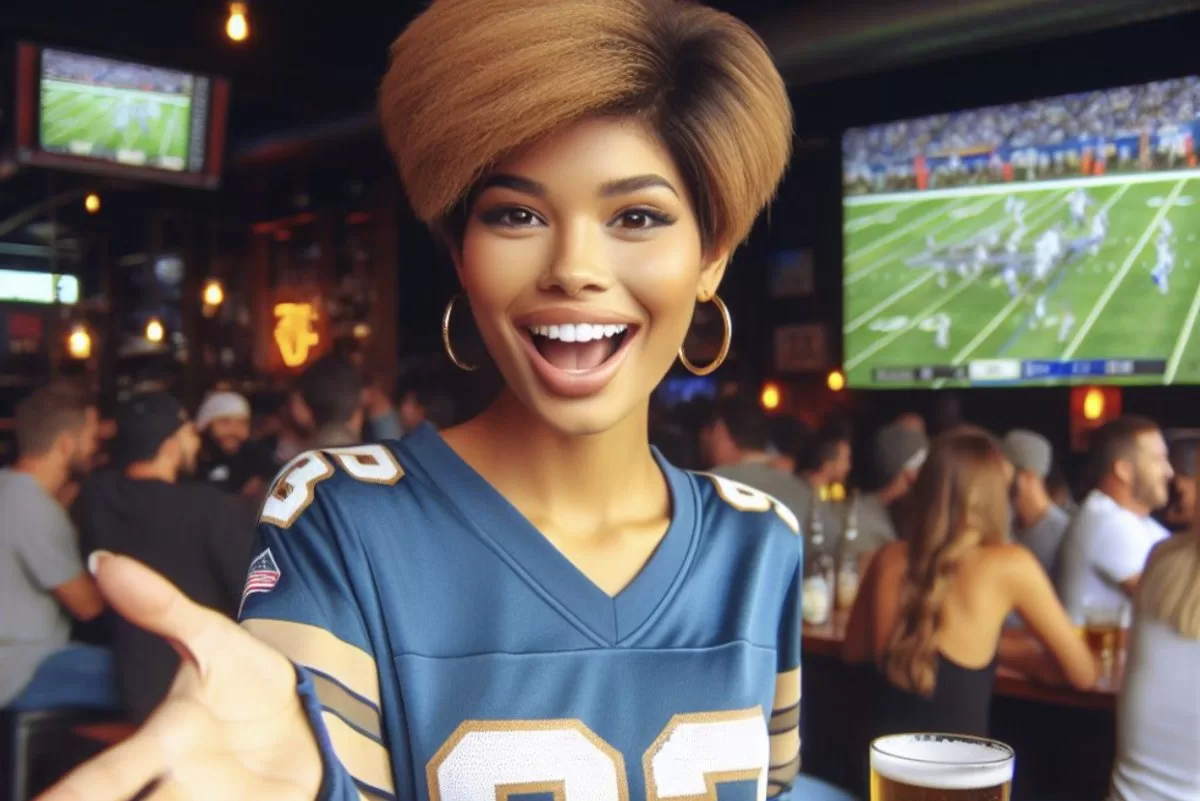
This weekend (January 16-19, 2026) is packed with high-stakes NFL Divisional Round playoff action — the best eight teams battling for spots in the conference championships on the road to Super Bowl LX in Santa Clara!
No major college football games are scheduled this Friday-Sunday, as the 2025-26 season wrapped up with the CFP National Championship on January 19 (Monday evening: Miami vs. Indiana at 7:30 p.m. ET on ESPN). So, all eyes are on the NFL playoffs.
How To Watch All the Football Games This Weekend
Want to stream for free? FuboTV offers a free trial.
Here’s your complete Weekend Sports Guide to watching the football games — times in ET, with TV and streaming options (based on standard NFL broadcast assignments and confirmed matchups).
Saturday, January 17, 2026
- (6) Buffalo Bills at (1) Denver Broncos
Kickoff: 4:30 p.m. ET- Broadcast: CBS
- Streaming: Paramount+ (live with subscription), NFL app (with TV provider login)
- Preview: Josh Allen and the Bills face a tough road test against the top-seeded Broncos and their elite defense at mile-high altitude. Expect a classic AFC showdown!
- (6) San Francisco 49ers at (1) Seattle Seahawks
Kickoff: 8:00 p.m. ET- Broadcast: FOX
- Streaming: FOX app/website (with TV provider), Fubo, or other live TV streamers carrying FOX
- Preview: Brock Purdy and the 49ers look to keep rolling after their wild-card win, but they’ll face a hostile Seahawks crowd in Seattle. NFC powerhouses collide!
Sunday, January 18, 2026
- (5) Houston Texans at (2) New England Patriots
Kickoff: 3:00 p.m. ET (or similar afternoon slot; listed as ~3 p.m. in some sources)- Broadcast: ESPN (or ABC in some markets)
- Streaming: WatchESPN, ESPN app, Fubo, or live TV streaming services
- Preview: C.J. Stroud’s Texans bring momentum off a dominant wild-card performance against a rising New England squad led by Drake Maye.
- (5) Los Angeles Rams at (2) Chicago Bears
Kickoff: 6:30 p.m. ET- Broadcast: NBC
- Streaming: Peacock, NBC app/website (with TV provider), NFL app
- Preview: Matthew Stafford and the Rams head to Soldier Field for Chicago’s first home divisional playoff game in years. A battle of veteran QB play vs. home-field energy!
How to Watch Tips
- Cable/Satellite: Tune into the listed channels (CBS, FOX, ESPN/ABC, NBC).
- Streaming Options: Paramount+ (for CBS games), Peacock (for NBC), ESPN app, FuboTV, YouTube TV, Hulu + Live TV, or Sling TV — most carry all major networks.
- Mobile/Out-of-Market: NFL+ Premium offers live local/market games and replays (great for mobile viewing); check availability.
- All Games: Available with a TV provider login on the NFL app, Yahoo Sports app, or league sites.
Final Word
Grab your snacks, settle in, and enjoy the intensity — this divisional round is loaded with star power and potential classics! Who advances to the AFC and NFC title games? We’ll find out this weekend. Go football!
Sound off in the comments. Stay safe, stay hydrated (go easy on the nog), and we’ll see you for Falcons updates next week.
Follow @nolafi.com for live updates and score alerts.
- (6) Buffalo Bills at (1) Denver Broncos
-

NEW ORLEANS — As the holiday lights twinkle along Bourbon Street, our beloved Crescent City is once again the epicenter of college football fever.
The Allstate Sugar Bowl, a New Orleans tradition since 1935, returns to the Caesars Superdome on January 1, 2026, hosting a College Football Playoff quarterfinal clash that pits the powerhouse Georgia Bulldogs against the winner of the first-round matchup between No. 6 Ole Miss and No. 11 Tulane.
Sugar Bowl To Host SEC’s Georgia
It’s a dream (or nightmare) scenario for local fans: one of our own Green Wave could crash the party against the SEC juggernaut, or we’ll see a classic Southern showdown between the Bulldogs and Rebels.
The bracket was unveiled today during ESPN’s selection show, confirming Georgia’s spot as the No. 3 overall seed after their dominant 28-7 dismantling of No. 9 Alabama in yesterday’s SEC Championship Game.
The Bulldogs, coached by Kirby Smart, earned a first-round bye with an 11-1 regular-season record, their lone loss a heartbreaker to Alabama earlier this fall.
Now, they’re hungry for redemption after last year’s bitter 23-10 Sugar Bowl defeat to Notre Dame right here in the Dome — a game that still stings for Athens faithful.
The Road to the Dome: How We Got Here
Georgia’s path to New Orleans has been a grind of grit and glory. The Bulldogs started hot with blowout wins over Marshall (45-7) and Austin Peay (28-6), then survived a wild overtime thriller at Tennessee (44-41).
A midseason stumble against Alabama (24-21) tested their mettle, but they roared back with convincing victories over Kentucky (35-14), Auburn (20-10), and a high-octane 43-35 shootout against Ole Miss on October 18.
November brought more dominance: road wins at Florida (24-20) and Mississippi State (41-21), a statement 35-10 thumping of Texas, and a gritty 16-9 rivalry triumph over Georgia Tech.
Quarterback Gunner Stockton has been the steady hand, slinging for over 1,800 yards and 18 touchdowns while keeping turnovers low.
Running back Nate Frazier and wideout Dominic Lovett have been explosive, but it’s the Bulldogs’ suffocating defense — led by All-SEC linebacker CJ Allen — that has opponents averaging just 18 points per game.
Georgia’s +22 turnover margin is the best in the nation, a stat that could prove decisive in the thin New Orleans air (okay, humidity).
On the other side of the bracket, the Ole Miss-Tulane first-rounder on December 20 in Oxford promises fireworks. The Rebels (10-2), coached by Lane Kiffin, boast a high-flying offense with quarterback Jaxson Dart and a stable of playmakers, but their defense has leaked points late in the season.
Tulane (9-3), our local heroes under Jon Sumrall, rides a wave of momentum after an undefeated American Athletic Conference slate, powered by running back Makhi Hughes’ ground-and-pound attack.
A Green Wave upset? The Bayou would erupt louder than Mardi Gras. “c66c87”What to Watch For in the Sugar Bowl
- Bulldogs’ Ground Game vs. Pass Rush: Georgia’s rushing attack (over 200 yards per game) will test Ole Miss’s shaky front seven or Tulane’s undersized but scrappy line. If Stockton stays clean in the pocket, expect big plays down the field.
- Superdome Magic: The Dome’s roof means no weather excuses, but the noise from 70,000+ fans — many waving red-and-black pom-poms — could rattle the visitors. Local tie: Tulane’s upset bid would make this the ultimate underdog story.
- Path to Glory: A Georgia win sends them to the Peach Bowl semifinal on January 9 against the Fiesta Bowl victor. The national title game awaits January 19 in Miami.
Tickets are already flying off the shelves at Caesars Superdome box offices and online — grab yours now before the scalpers descend like a second-line parade. Tailgate spots along Poydras Street are prime real estate, and expect Bourbon Street to be a sea of red, navy, and olive green on New Year’s Day.
This Sugar Bowl isn’t just a game; it’s a celebration of Southern football soul, right in the heart of New Orleans.
Whether it’s Georgia’s dynasty quest or a Tulane miracle, one thing’s certain: the Who Dat Nation will show up loud. Stay tuned to Crescent City Sports for pre-game analysis, player profiles, and live coverage. Geaux Tigers? Nah, this year it’s Geaux Dawgs… or Geaux Waves!
Follow us on X @nolafi for real-time updates.
-
The proposed $82.7 billion acquisition of Warner Bros. Discovery’s (WBD) studios and streaming assets by Netflix, announced on December 5, 2025, represents one of the largest media mergers in history.
Valued at $27.75 per share in a mix of cash and stock, the deal would fold HBO Max (with nearly 130 million subscribers) and Warner’s vast content library—including franchises like Harry Potter, DC Comics, and Game of Thrones—into Netflix’s ecosystem, creating a streaming titan.
Read up on these Netflix alternatives.
Netflix-WBD Deal Faces Legal Scrutiny
While Netflix positions this as a way to “fuse innovation with century-old storytelling,” it has ignited immediate concerns about reduced competition in an already consolidating entertainment industry.
Regulators in the U.S. and Europe are poised to scrutinize the transaction, with the Clayton Act serving as a primary legal tool for potential intervention.
What is the Clayton Act?
The Clayton Act, enacted in 1914 as an amendment to the Sherman Antitrust Act, is a cornerstone of U.S. antitrust law designed to prevent mergers and acquisitions that could substantially lessen competition or create monopolies before they fully materialize.
Unlike the broader Sherman Act, which targets existing anticompetitive behavior, Section 7 of the Clayton Act focuses on prospective harm, empowering the Federal Trade Commission (FTC) and Department of Justice (DOJ) to block deals that threaten market dynamics.
Violations are assessed through a “reasonableness” standard, considering factors like market concentration, barriers to entry, and potential effects on consumers, competitors, and innovation. If the Netflix-WBD deal runs afoul of this, it could be enjoined by a court, forcing divestitures or outright abandonment.
Key Ways the Deal Could Violate Section 7 of the Clayton Act
To understand the risks, consider how regulators might apply Clayton Act principles to this merger. The core allegation would likely center on the deal’s potential to entrench Netflix’s dominance in subscription video-on-demand (SVOD) streaming, a market already strained by cord-cutting and content wars. Here’s a breakdown:
Clayton Act Factor Potential Violation in Netflix-WBD Deal Supporting Evidence/Concerns Market Concentration (e.g., Herfindahl-Hirschman Index or HHI) The merger could push Netflix’s U.S. SVOD market share above 30-40%, crossing the DOJ/FTC’s “presumptively illegal” threshold of 30% under merger guidelines. Pre-merger, Netflix holds ~20-25% globally; adding HBO Max’s ~10-15% U.S. share would create a combined entity controlling over a third of subscribers. Rep. Darrell Issa warned in a November 2025 letter to the DOJ and FTC that this exceeds the 30% “presumptively problematic” level, potentially harming consumers by reducing choices. nbcnews.com Analysts note the HHI (a measure of market concentration) could surge by over 200 points, triggering strict scrutiny. thebignewsletter.com Lessening of Competition By acquiring a direct rival (HBO Max), Netflix would eliminate head-to-head competition for premium content, allowing it to raise prices, hoard exclusives, or degrade service quality without fear of subscriber churn. Warner’s library would become unavailable to competitors like Disney+ or Amazon Prime Video, foreclosing rivals’ access to must-have IP. Sen. Mike Lee highlighted this as a “serious competition question,” more acute than deals in the past decade, potentially stifling innovation in content creation. cnn.com A government official echoed that adding HBO Max to Netflix’s “market dominance” would “stifle competition,” akin to Google/Amazon probes. timesofindia.indiatimes.com Monopolization Risks The combined firm would control ~50% of premium scripted content production, giving Netflix undue leverage over Hollywood talent, theaters, and downstream markets like advertising and licensing. This could create barriers for indie creators and exhibitors, turning the merger into a “recipe for monopolization.” Experts call it a “straightforward challenge under the Clayton Act,” as it consolidates power over storytelling, potentially leading to fewer theatrical releases and job losses for professionals. thebignewsletter.com +1 Cinema United labeled it an “unprecedented threat” to theaters. reuters.com Vertical Integration Concerns Netflix’s ownership of Warner’s studios would deepen vertical control—from production to distribution—potentially discriminating against rival platforms by withholding content or favoring its own algorithms, harming downstream competition in video consumption. Former WarnerMedia CEO Jason Kilar argued it’s “the most effective way to reduce competition in Hollywood.” reuters.com This echoes past DOJ blocks like AT&T-Time Warner (initially challenged on similar grounds). These factors align with the DOJ/FTC’s 2023 Merger Guidelines, which emphasize “serial acquisitions” (Netflix’s history of smaller content buys) and the cumulative impact on nascent markets like streaming. Critics, including Sens. Elizabeth Warren, Richard Blumenthal, and Bernie Sanders, have urged the DOJ to probe for “political favoritism,” while anonymous filmmakers called for “the highest level of antitrust scrutiny.”
Paramount, a losing bidder, has accused WBD of bias and may lobby the Trump administration to intervene, citing ties to figures like ex-DOJ official Makan Delrahim.
The Path to Challenge and Potential Outcomes
If challenged, the DOJ or FTC would file suit in federal court, seeking a preliminary injunction to halt closing (expected Q3 2026).
Netflix argues the deal enhances subscriber value and U.S. production, but regulators could demand remedies like content licensing mandates—similar to EU expectations of “access remedies” without a full block.
A worst-case scenario: outright blockage, as in the DOJ’s successful suit against Microsoft’s-Activision deal (later settled). Political winds under the Trump FTC/DOJ could sway outcomes, with Republicans like Issa and Lee amplifying GOP concerns over Hollywood consolidation.
In sum, the deal’s Clayton Act pitfalls hinge on its threat to competitive vigor in streaming and content creation.
While not guaranteed to fail, the merger’s scale invites rigorous review, potentially reshaping—or derailing—Hollywood’s future. As one analyst put it, this isn’t just a buyout; it’s a “noose around the marketplace.”
-
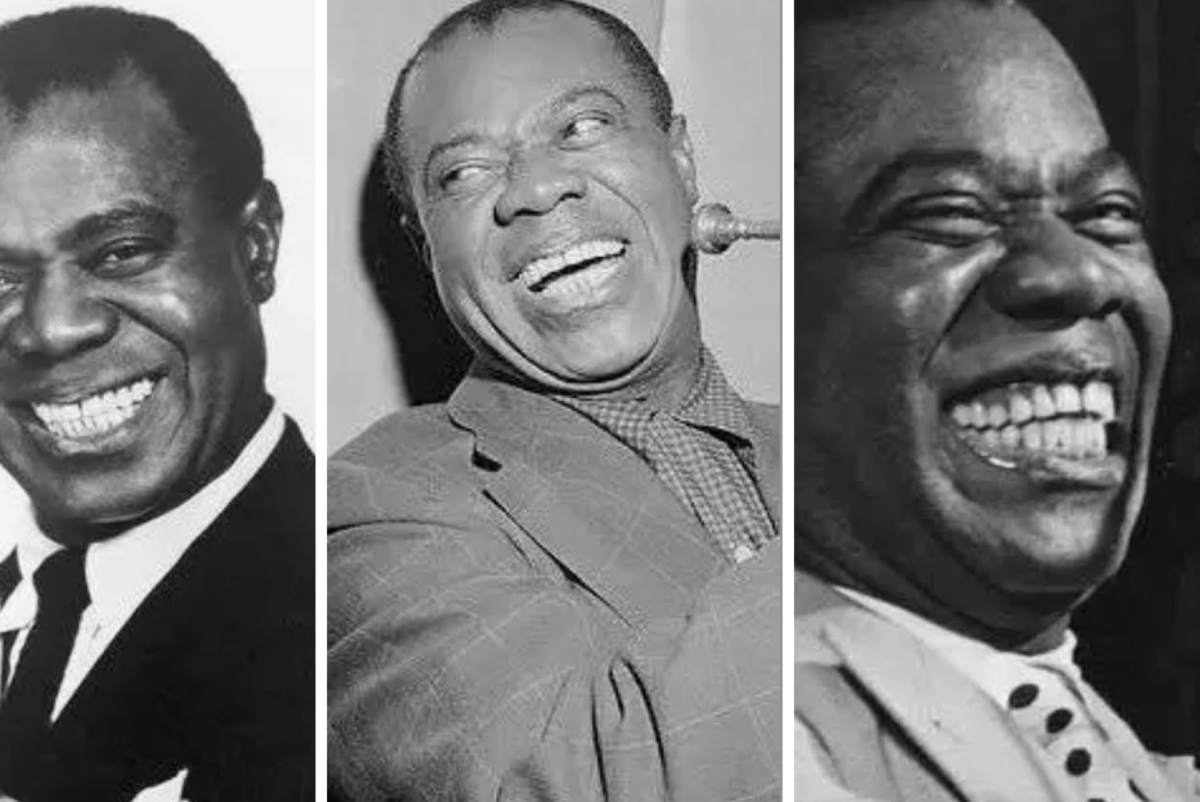
He’s the man whose trumpet still echoes through the streets of the Crescent City every single day. Louis “Satchmo” Armstrong wasn’t just a jazz musician—he basically invented what it means to be a New Orleans superstar.
Here are five things every local (and visitor) should know about the greatest ambassador our city ever had.
1. He Was Born Right Here—But the Exact Spot Is Still a Mystery
Armstrong always said he was born on July 4, 1900, in a rough part of Back o’ Town. For decades everyone took his word for it… until baptismal records surfaced showing he was actually born August 4, 1901, in a little house on Jane Alley (now long gone).
The sacred “Fourth of July” story? Turns out Satchmo just liked the fireworks symbolism. Classic New Orleans move—why let facts get in the way of a good story?
2. The Waif’s Home Band Changed Everything
At 11 years old, young Louis fired a pistol loaded with blanks on New Year’s Eve (hey, it was tradition). He got sent to the Colored Waif’s Home in Gentilly.
While there, band director Peter Davis handed him a cornet, and the rest is history. Armstrong later said getting arrested was “the best thing that ever happened to me.” The home’s building is gone, but the milestone marker still stands on Bienville and Marais.
3. He Basically Invented Scat Singing on the Spot in a Chicago Studio
In 1926, while recording “Heebie Jeebies” with his Hot Five, Armstrong dropped the lyric sheet on the floor and started improvising nonsense syllables—“scoop-bop-de-bop”—because he couldn’t remember the words.
The record sold like crazy, and scat singing was born. Next time you hear Ella Fitzgerald scatting, thank (or blame) a New Orleans trumpet player who winged it.
4. His Second House Is in Corona, Queens—But His Real Home Was Always Here

Yeah, the Louis Armstrong House Museum is in New York (and it’s incredible), but Satchmo never forgot the 317–319 South Rampart Street building where King Oliver taught him and the whole “second line” vibe started.
The block is gone now, but every August 4 the city throws a Satchmo SummerFest at the old U.S. Mint to keep the spirit alive.
5. That Famous Handkerchief Wasn’t Just Style—It Was Practical

You’ve seen the photos: white handkerchief always in hand. Turns out the man sweated like crazy under those hot stage lights, and he used Star of David-embroidered hankies (a gift from his Jewish manager early in his career) to mop his brow. He kept the tradition his entire life and is even buried with one.
Somewhere in heaven, Satchmo’s still waving that hanky and grinning.Next time you hear “When the Saints Go Marching In” blasting from a second-line brass band on Frenchmen Street, tip your hat.
Final Word
That’s Louis Armstrong smiling down on his city—the place that gave the world jazz and jazz gave the world Louis.What a wonderful world, indeed.
More NolaFi.com Articles: