-
New Orleans winters are usually mild, but when a rare cold snap hits—like the freezes we’ve seen in recent years—our homes aren’t always built to handle prolonged subfreezing temperatures.
Pipes in crawl spaces, attics, garages, or along exterior walls can freeze solid, and when the ice expands, it bursts the pipe, leading to flooding, thousands in water damage, and major headaches. Burst pipes are one of the top causes of property damage during cold weather, but the good news is most cases are preventable with simple, low-cost steps.
Here in the Crescent City, where many older homes have exposed plumbing in uninsulated areas, preparation is key. Follow these expert-backed tips to keep your water flowing safely through any winter chill.
1. Keep Your Home Warm – Don’t Let the Thermostat Drop Too Low

Set your thermostat to at least 55°F (some experts recommend 60–65°F for extra safety), even when you’re away or sleeping. Lowering it to save on bills can backfire spectacularly if pipes freeze.
Consistent indoor heat keeps vulnerable pipes above freezing. If you’re leaving town during a cold forecast, leave the heat on—it’s far cheaper than repairs.
2. Let Faucets Drip – Moving Water Is Your Best Friend

When temperatures dip below freezing, open faucets to a slow drip (both hot and cold sides if possible). This is especially important for faucets farthest from the main water line or on exterior walls. The constant flow prevents ice from forming and building pressure.
A trickle uses very little water but can save your home from disaster.
3. Insulate Exposed Pipes – A Small Investment with Big Payoff

Wrap vulnerable pipes with foam pipe insulation sleeves, fiberglass wrap, or UL-listed heat tape/heat cable (which automatically activates in cold conditions).
Focus on pipes in unheated areas like crawl spaces, attics, garages, under sinks, and where water enters your home through the foundation. Insulation is inexpensive—often just a few dollars per section—and widely available at local stores like Home Depot or Lowe’s in Metairie or the Eastbank.https://artifacts.grokusercontent.com/third-party-image
4. Protect Outdoor Connections and Cabinets

- Disconnect and drain garden hoses from outdoor spigots, then shut off the interior valve and insulate or cover the spigot with a foam cover. Frozen hoses can push pressure back into your home’s pipes.
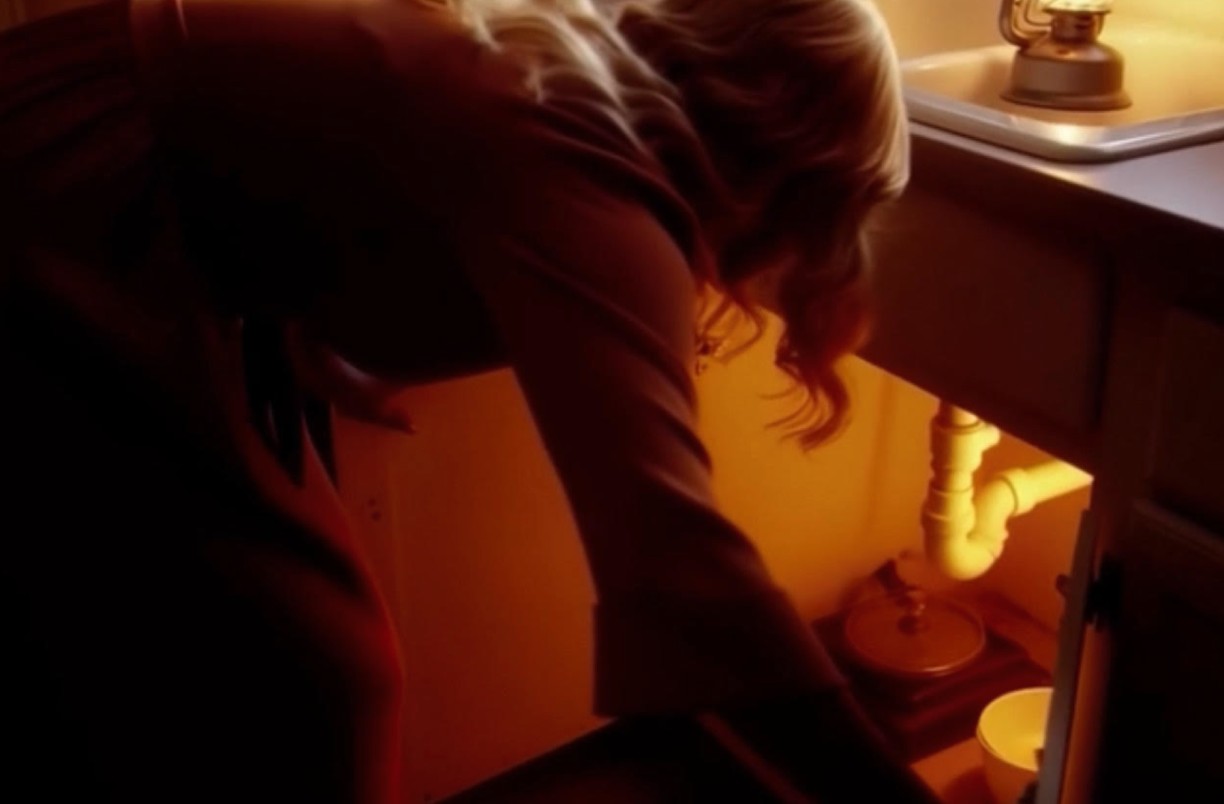
- Open cabinet doors under kitchen and bathroom sinks to let warm air circulate around pipes.
- Keep garage doors closed if any water lines run through there.
- For crawl spaces or attics, ensure vents are closed and consider adding insulation to the space itself.
5. Know Your Shut-Off Valve and Be Ready to Act
Locate your home’s main water shut-off valve now (usually near the meter or where the line enters the house) and make sure everyone knows how to turn it off quickly.
In a freeze warning, test it gently. If you suspect frozen pipes (low flow or no water from a faucet), open the affected faucet fully before thawing to relieve pressure. Never use open flames to thaw—stick to a hair dryer, space heater, or warm towels starting near the faucet.
Extra Tips for New Orleans Homes
Our older shotguns, raised cottages, and homes with pier foundations often have pipes in crawl spaces that are more exposed than in northern builds. Check these areas annually, and consider heat tape for persistent problem spots.
Local resources like the Sewerage & Water Board of New Orleans recommend insulating exposed pipes and wrapping with foam or rags if needed
If you’re in a flood-prone area, combine pipe protection with sump pump checks for any melting ice.Preventing burst pipes is mostly about planning ahead—insulate, drip, and heat consistently.
Final Word
These steps can save you from costly repairs and keep your family safe and dry. If a freeze is forecast, act early. Better a slightly higher utility bill than a flooded living room. Stay warm and prepared, New Orleans! If issues arise, call a licensed local plumber right away.