-

Your credit score is the main factor that determines what and how much you can borrow.
This article will explain all there is to know about having a good credit score, including what it is and why it’s so important.
What Is A Credit Score?
A credit score is a three-digit number that credit bureaus give you to rate your credit risk. When companies consider lending to you, they use your credit score to determine the interest rate you pay and the terms attached to that arrangement.
You can find your credit score by going to Experian, Equifax and TransUnion and accessing your report.
What Is A Good Credit Score?
A good credit score is one that allows you to borrow the money you need for your home, car and other purchases made on your credit card. Once you receive your credit report, you’ll see scores ranging from 300 to 850. Here are the credit score ranges for a consumer:
- Excellent Credit: 850-800
- Very Good Credit: 799-750
- Good Credit: 749-700
- Fair Credit: 699-650
- Bad Credit: 649-600
- Poor Credit: 599-300
What Can You Buy With A Good Credit Score?
With a good credit score (anything above 700) you can typically get special rates that are affordable. With elite credit (800_) you get exempt from credit checks and things of that nature.
But if you have a credit score above 700, you don’t have to worry about what type of financing you’ll receive. Here are some things you’ll have no problem borrowing on with a 600-700 credit score:
- Vehicle — standard interest rate
- Automobile –standard interest rate
- Credit Card — standard rate
What To Do If You Have Bad Credit
One of the most disheartening things about borrowing is to find out that you don’t qualify for a certain purchase or terms that aren’t sky-high. The reason will usually be because your credit is bad.
If you find that your credit is poor, don’t be discouraged. There are ways to raise your credit. It will take time, but the process is pretty straightforward.
Here’s how to fix your credit the legal way.
More From NolaFi.com:
-

Buying a car is one of the most pricey endeavors you can embark upon. One thing that can make it cheaper is the condition of your credit score. With a good credit score, the cheaper your car note can be.
In this article, we’re going to show you what your credit score needs to be to buy a car.
What Is A Decent Credit Score To Buy A Car?
A decent credit score to buy a car is anything in the 600 range. That should be the target crest score for those who want to qualify for auto financing.
Anything under 600 would typically be considered poor credit, while anything over 700 is deemed good credit.
Is A 600 Credit Score Enough To Buy A Car?
Once you hit 600, your lender can reason that you have enough creditworthiness to pay monthly notes on your vehicle.
Buying a vehicle is one of the biggest purchases you’ll ever make. It’s typical today that car loans last up to eight years.
With that kind of time, it’s important to stay on top of your credit. But let’s look at what your credit score needs to be to finance a vehicle.
The Higher Your Credit, The Less You’ll Pay
The truth is that the higher your credit score, the lower your payments will be. That’s because your score is used by lenders to determine your interest rate.
Keep that in mind as you manage your credit. You should be able to get a car loan if your credit score is anything above the 600-mark. The key is to get a good annual percentage rate that is in line with the market.(3.5% to 5.5% is good).
Final Word
Before you sign the dotted line for auto financing, make sure you understand what your monthly payments are going to be and how long the loan will be.
Always remember that no matter what your credit score is today, it can change tomorrow. That’s why you should always monitor it and try to raise it.
Here’s how to get a FREE credit report.
More From NolaFi.com:
-

Finding the perfect apartment in today’s rental market can feel overwhelming — record-high rents, fierce competition, and new digital tools have changed the game.
Whether you’re a first-timer or a seasoned renter, here’s the most up-to-date playbook to secure your next place without losing your mind (or your savings).
In this article, I’m going to go over what you need to know to rent in New Orleans.
Here’s How To Rent An Apartment In New Orleans
If you want to rent an apartment in New Orleans and don’t know where to start, here are the steps:
The average rent in New Orleans, Louisiana is $1,401, according to a RentCafe report. But price is not the only thing you should consider when you begin shopping for a place to rent.
First thing you need to do before you rent an apartment in New Orleans is find one that fits your needs. To do that, you can use a number of online services to help find a place:
If you don’t already know the specific areas of town like Uptown, the Garden District or Elysian Fields. Join NextDoor or Facebook Groups to get a feel for the areas that you want to live in.
Midtown New Orleans apartments have gone up 6% over the past year, according to the report mentioned above. The average square footage for a place? 893 feet.
Once you make a list of New Orleans apartments you want to check out from one of the services above, you can begin to make appointments to visit.
You’ll want to pay special attention to the amenities that each apartment offers. You may put a big emphasis on on-site laundry facilities, a pool, a courtyard, lounge and other things.
1. Get Your Finances Together
Before you begin to schedule visits, you need to have your financials in order. Landlords don’t just let you move in, you’ll need a credit check. The idea behind this is that you have to show income stability.
Get a free credit report at annualcreditreport.com, the only authorized website for free credit reports from the three major credit bureaus Equifax, Experian and TransUnion.
When you get the credit reports, go over them with a finetooth comb to make sure they’re accurate.
If you see a discrepancy on your credit report, here’s how to dispute it:
Not only will you need to have your first and last month’s rent in your account (as we’ll get into), but you’ll need to have more money on hand for some incidentals.
Landlords and property managers now look at your total monthly housing cost, not just base rent.Do the math:
- Rent + utilities + renter’s insurance + parking + pet fees + internet should be no more than 30–35% of your gross monthly income.
- Average U.S. rent for a 1-bedroom in major cities (Dec 2025): $1,750–$2,100 (Zillow Rental Index).
- Many landlords now require your gross income to be 3× the rent (some 3.5× in hot markets like Austin, Miami, or Denver).
Pro tip: Get a free “rental résumé” from services like Rhino or TheGuarantors if your income is slightly below the threshold — they act as co-signers for a small fee.
2. Check Your Credit (Early)
- Pull your free credit report (annualcreditreport.com) and freeze it if your score is below 650 — many big management companies use automated denials.
- Most landlords now use online screening tools (TransUnion SmartMove, Experian Connect, or Avail).
- Fix errors now; it can take 30–60 days to update.
New in 2025–2026: Some states (California, New York, Colorado, Illinois) cap application fees at $20–$35 and require landlords to accept reusable screening reports. Use services like Rental Kharma or Self to turn on-time rent payments into credit boosts.
3. Visit The Apartment
When you visit the apartment, make sure you the age of the building and style is to your liking. Feel the walls so that you can gauge whether they’re thin and well built.
Look out for loud neighbors and other things that may affect your ability to have a good night’s rest.
If you like what you see, make an offer.
4. Negotiate Your Rent
You don’t have to accept what the landlord offers. See if you can negotiate. If you sign a two-year lease rather than one year, you may be able to get a better deal. You won’t know what’s capable until you ask.
If the leasing agent can’t make any concessions, see if you can get the hookup on parking or a one-month discount in lieu of a move-in special.
5. Sign The Lease Contract
When you sign the lease, you may need to have a list of references. These should be people you’ve contacted ahead of time who will have only good things to say about you.
Their input will be what decides your worthiness.
Before you sign your lease, you need to know what to expect as far as charges and fees. Here are some of the charges you may be asked to pay:
- Rental application fee
- Security deposit
- Last month’s rent
- Move-in fee or finders fee
Depending on where you rent your place and your specific circumstances, you may also be asked to pay a pet fee or even parking space fee.
Once you pay what you owe, your landlord or leasing agent will hand over the keys to your new apartment. Remember to keep it down and always be considerate of your neighbors.
What if you have bad credit?
How To Rent An Apartment With Bad Credit
The first thing you need to do is look for apartments that don’t do credit checks on potential tenants.
You’re also going to want to entice the landlord by offering to pay more upfront or even every month.
So, to recap, if you have bad credit, the way to rent an apartment is:
- Find apartments with no credit checks
- Offer to pay more upfront
- Negotiate for other amenities you want
You might also want to offer to fix small things so that you build up a good relationship with the landlord. This can be very valuable when it’s time to renew your lease, if you choose to do so.
Final Word
Renting an apartment takes some time and effort on your part, but it can be done. Look at the bright side: Once you get a comfortable and safe place, you will never regret it.
New Orleans is one of those cities that you can get lost in once you take the time to explore it. As the former capital of Louisiana, New Orleans is one of the most eclectic and eccentric cities in the world.
More From NolaFi.com:
-
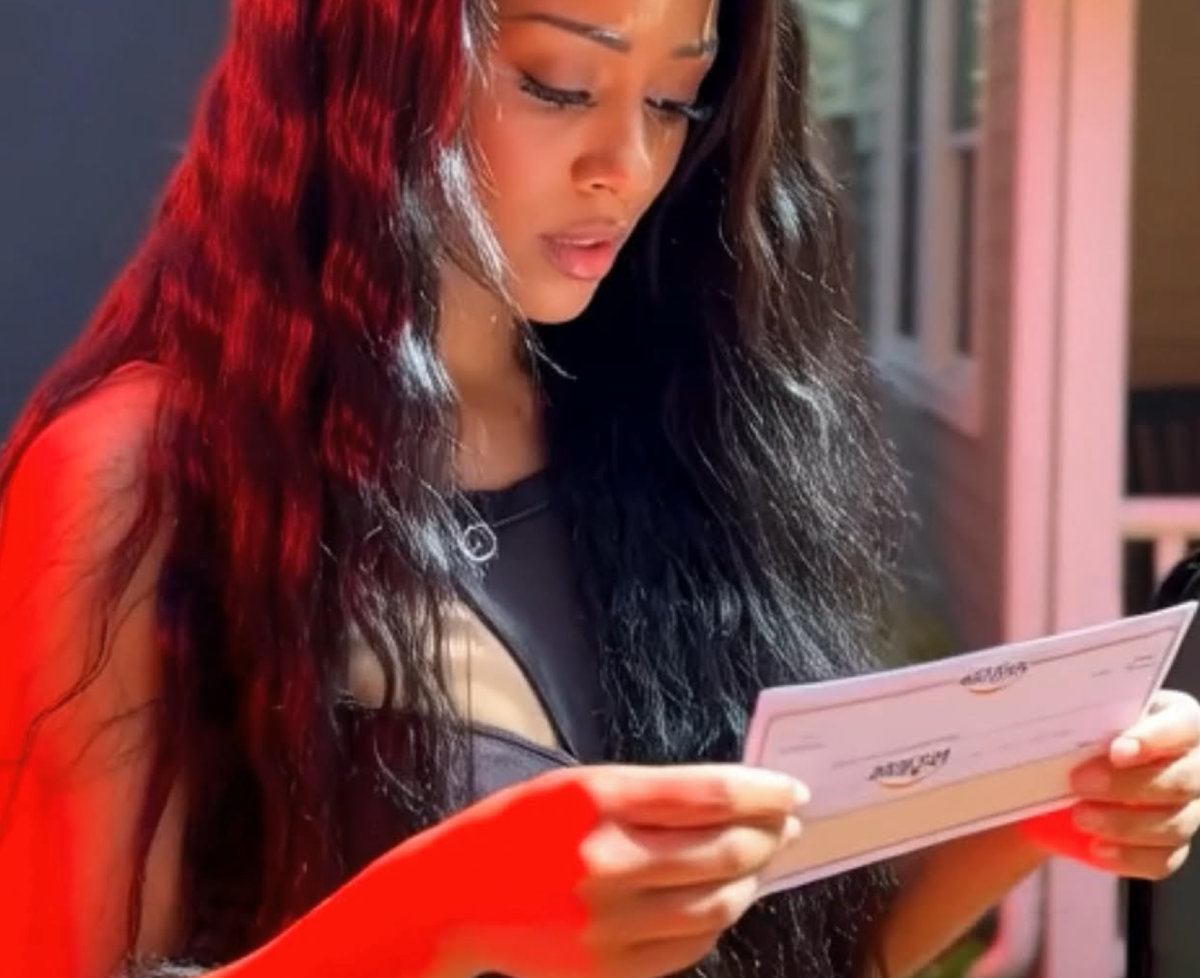
In a windfall for bargain-hunting Louisianians, Amazon is disbursing millions in refunds as part of a landmark $2.5 billion settlement with the Federal Trade Commission (FTC) over allegations of deceptive Prime subscription practices.
If you’re one of the estimated 150 million Prime members nationwide—including tens of thousands right here in Greater New Orleans—this could mean up to $51 back in your pocket, no questions asked for many eligible users.
Amazon Settlement: What To Know
The settlement, finalized in September, addresses claims that Amazon tricked customers into enrolling in its $139 annual Prime program without clear consent and buried cancellation options in a maze of fine print.
Now, with automatic payments hitting inboxes this holiday season, local consumers are being urged to check their email and act fast to avoid missing out.
The Backstory: Why Amazon Is Paying Up
The FTC’s 2023 lawsuit accused Amazon of using “dark patterns”—sneaky website designs that nudge users into subscriptions they didn’t intend to buy. Think: pre-checked boxes for Prime trials during checkout or endless hoops to hit “cancel.”
Amazon denied wrongdoing but agreed to the payout, including $1 billion in civil penalties and $1.5 billion for consumer refunds capped at one year’s subscription fee.
For Atlanta’s e-commerce enthusiasts, who shelled out billions on everything from Hartsfield-Jackson airport impulse buys to Ponce City Market meal kits, this is a timely boost amid rising living costs.
“In a city where online shopping is as routine as traffic on I-85, this settlement levels the playing field for everyday shoppers,” said consumer advocate Maria Gonzalez, executive director of the Georgia Consumer Protection Division.
Who Qualifies? Check If You’re Eligible
Not every Prime user will get an automatic check, but broad criteria make many Atlanta households potential recipients. To qualify for the full automatic refund:
- You must be a U.S. resident with an active or former Prime subscription.
- Enrollment occurred between June 23, 2019, and June 23, 2025, through one of the FTC-identified “challenged” sign-up methods (like bundled trials during purchases).
- Crucially, you used three or fewer Prime perks—like free shipping, video streaming, or grocery delivery—in any 12-month period post-enrollment. Casual users, this is your cue. scrippsnews.com
If you don’t meet these for automatic payout, don’t fret—a claims process kicks off later this month for heavier users who still enrolled deceptively.Step-by-Step: How to Snag Your RefundRefunds are being issued in two waves, starting now. Here’s your action plan:
- Watch for the Automatic Email (No Action Needed Upfront):
Between November 12 and December 24, 2025, eligible Atlantans will receive an email from Amazon with refund instructions. Most will get up to $51 via PayPal or Venmo—accept within 15 days to cash in instantly. livenowfox.com Pro tip: Double-check your spam folder, as these could blend in with Black Friday deal alerts. - Prefer a Good Old-Fashioned Check?
Ignore the digital offer, and Amazon will mail a paper check to your Prime account’s default shipping address (update it in your account settings if needed). Cash it within 60 days of receipt to avoid it expiring. cbsnews.com - Missed the Auto Wave? File a Claim:
Starting December 24, 2025, Amazon will email notices to remaining eligible users through January 23, 2026. You’ll have 180 days from receiving the form to submit your claim online. Expect similar payout methods, with the same $51 cap. nypost.com
For the latest status, visit the FTC’s dedicated Amazon refunds page at ftc.gov/enforcement/refunds/amazon-refunds.
ftc.gov No fees or lawyers required—just your Amazon login and a quick form.Beyond the Cash: Bigger Changes for ShoppersThe deal isn’t just about refunds. Amazon must now:
- Add a prominent “Decline Prime” button during sign-ups (no more vague “No thanks” buried in text).
- Mirror easy sign-up processes for cancellations.
- Disclose subscription costs, billing dates, and frequencies upfront.
These tweaks, which Amazon claims it already implemented years ago, aim to prevent future headaches for Peach State purchasers.
New Orleans’ Takeaway: Act Now, Shop Smarter
With holiday shipping deadlines looming, this settlement arrives like an unexpected gift card. Local experts estimate up to 20% of New Orleans’ Prime users—roughly 300,000 households—could qualify, injecting fresh dollars into the local economy just in time for New Year’s resolutions.
If you’ve got questions, reach out to the FTC at 1-877-FTC-HELP. And remember: In the world of online retail, knowledge is the best free shipping.
Final Word
Are you trying to become more financially literate? Check out Money Mondays at NolaFi.com, where we’ll share strategies to save and make cash.
If saving money is something you’re serious about, NolaFi.com has a lot of resources to help you.
Read more:
-

New Orleans is magnetic, but sometimes even the most devoted local needs a quick escape from the brass bands and bourbon. Luckily, within a 1- to 3-hour drive (or short flight) you’ll find beaches, pine forests, Cajun prairies, and historic small towns that feel worlds away. Here are the best weekend getaways from the Crescent City—tested, ranked, and updated for 2025.
This article will list some of the best weekend getaways within driving distance of New Orleans, Louisiana.
6 Cheap Weekend Getaways Near You
This article is going to show you some cheap places to travel for spring and summer this year. Let’s get started:
Atlanta
Mid March: Frontier Airlines: Airfare from $194

You can visit Atlanta, Georgia, and take in all the fried chicken and sweet tea your tummy can handle.
Top Atlanta events You Don’t Want To Miss:
- One Music Fest
- Chick-fil-A Peach Bowl
- Atlanta Food & Wine Festival
- Sweet Auburn Music Festival
Check out these weekend events out in Atlanta.
Charleston
Late March: Breeze Airlines: Airfare from $168

Photo credit: Dylan Mullins / Unsplash Charleston, South Carolina is only a four-hour drive from Atlanta and it’s worth the ride.
Top Charleston events this Year:
- Charleston Bluegrass Festival
- Low Country Cajun Festival
- Sweetgrass Cultural Arts Festival
Savannah
Late April: Breeze Airlines: Airfare from $188

Photo credit:
Jessica Furtney / UnsplashSavannah, Georgia is only a four-hour drive from Atlanta and it’s worth the ride.
Top Savannah events this Year:
- Savannah Hemp & Arts Festival
- Tybee Wine Festival
- Savannah Jazz Festival
Check out this Savannah Activity Guide.
Houston
Mid May: Southwest Airlines: Airfare from $221

Houston and Nola are sister cities in a way. Both of them are right off Interstate 10 and both are filled with people from New Orleans (a joke)!
Things To Do & See In Houston:
- Houston Zoo
- Galveston Beach
- Museum of Fine Arts
- Houston Livestock Show & Rodeo
- The Galleria
- Sam Houston Park
Check out cool things to do in Houston.
Augusta
Late May: Delta Air Lines: Airfare from $325

Photo credit: Todd Trapani / Unsplash One of the most popular tourist spots in the South, Augusta has a rich music heritage (James Brown) and is known for cultural sports events (the Masters).
Here are some things to do and see in August:
- Augusta Craft Beer Festival
- Elijah Beach
- Hickory Know State Park
- Papa Joe’s Banjo-B-Que Music Festival
- Westobou Festival
Jacksonville
Mid April: Breeze Airlines: Airfare from $218

Photo credit: David Masemore / Unsplash Jacksonville, Florida is a eight-hour drive from Atlanta. If you start at 1 p.m, you’ll be in city limits by 6 p.m., just in time for dinner.
Here are some things to do and see in Jacksonville:
- Jacksonville Jazz Festival
- Neptune Beach
- Atlantic Beach
- Summer Volksfest
- Jacksonville Caribbean Festival
Final Word
Craving a break from the daily hustle? A treasure trove of cheap flights is waiting for you! The best part? You don’t have to jet off far to uncover incredible domestic destinations that’ll spark your wanderlust!
It’s not too late to get a really nice weekend getaway within driving distance or a short flight away. There are some affordable cities you can visit in the Southeast.
Just because the year is speeding along doesn’t mean you can’t find a nice weekend to travel. You might not know it but cheap flights are abundant right now with a little research, which we’ve done for you.
Once you pack your luggage, you should be ready for your trip. Make sure you have found the cheapest flights from New Orleans that are on sale. And don’t forget to check Southwest.
New Orleans is one of the most convenient places to travel to and from. A large part of that is because Louis Armstrong International Airport is so accessible.
More Articles Like This:
-

Picking the right hotel in New Orleans isn’t just about a bed and Wi-Fi; it’s about choosing the soundtrack to your trip. Do you want trumpet solos drifting through your window at midnight, or the hush of a Garden District oak canopy?
Here’s our freshly updated 2025–2026 guide to the very best places to stay right now, from century-old grande dames to slick new rooftops, all vetted by locals who actually answer “Where should I stay?” a dozen times a week.
In this article, we’ll show you where you need to stay in New Orleans.
Should I Say In The French Quarter Or Downtown New Orleans?
If you’re looking to get an authentic taste of New Orleans, you should stay in the French Quarter. Not only is it within walking distance of downtown, but the French Quarter has some of the city’s best restaurants and things to see.
Four Seasons Hotel
2 Canal St, New Orleans, LA 70130 | (504) 434-5100

Four Seasons Hotel New Orleans Wedding Second Line Parade. Credit: Christian Horan Photography Four Seasons Hotel New Orleans offers unmatched views of the riverfront and more in the city: indoors and outdoors, street-level and high above skyline. Book a room at the Four Seasons.
Bourbon Orleans Hotel
717 Orleans St, New Orleans, LA 70116 | (800) 935-8740

Here’s what one guest says about Bourbon Orleans Hotel: “We stayed here for 5 days and it was amazing. The staff is truly amazing! The doormen and beyond what you would expect i never touched a door in this hotel or my bags once. David was exceptional and a true professional. The hotel is older and smaller but its worth it. The pool is heated and gorgeous. It’s close enough to bourbon street to see the action but far enough that it’s quiet. I would stay here again in a heartbeat. Thank you all for a wonderful time!”
The Roosevelt New Orleans
130 Roosevelt Way, New Orleans, LA 70112 | (504) 648-1200

Here’s what one guest says about The Roosevelt: “The Roosevelt is the only hotel I stay in when I’m in New Orleans. The front desk staff, Nicholas in particular, always make you feel at home upon arrival. I always like to be on the top floor, and they are always accommodating. I’d highly recommend one of the luxury suites for a truly fascinating experience.”
The Ritz-Carlton
921 Canal St, New Orleans, LA 70112 | (504) 524-1331

Here is what one guest says about the Ritz-Carlton. “Our stay was wonderful from beginning to end. From the service to the cleanliness, from the food to the fitness center, we were pleased with every detail.”
Royal Sonesta New Orleans
300 Bourbon St, New Orleans, LA 70130 | (504) 586-0300

Here’s what one guest says about the Royal Sonesta. “My husband and friend picked the Royal Sonesta as our hotel for a surprise trip to New Orleans. The service was excellent from the start, and we upgraded our room to a spot with a terrace overlooking the pool. The pool area was clean.”
JW Marriott New Orleans
614 Canal St, New Orleans, LA 70130 | (504) 525-6500

Here’s what one guest says about the JW Marriott. “This hotel and its staff, far exceeded my expectations! It was the best service and most hospitable of any hotel I’ve been in years.”
Final Word
Hospitality is part of the New Orleans fabric: We love to take care of people, hosting them and housing them. If you’re coming to the city, what hotel will you choose to stay in?
New Orleans, Louisiana is a very hospitable place. You can find this out very easily from the hotel industry. New Orleans has some of the best hotels in the Southeast.
Getting to know someone over lunch or dinner can be intimidating for many people, but hopefully the awesome restaurants we’ve listed can make it easier.
If you really want to take things to the next level, you can pay for exclusive dining by renting out a banquet room for a small group of family and friends.
Want to make it official? Here’s how to sweep her off her feet.
More From NolaFi.com:
-
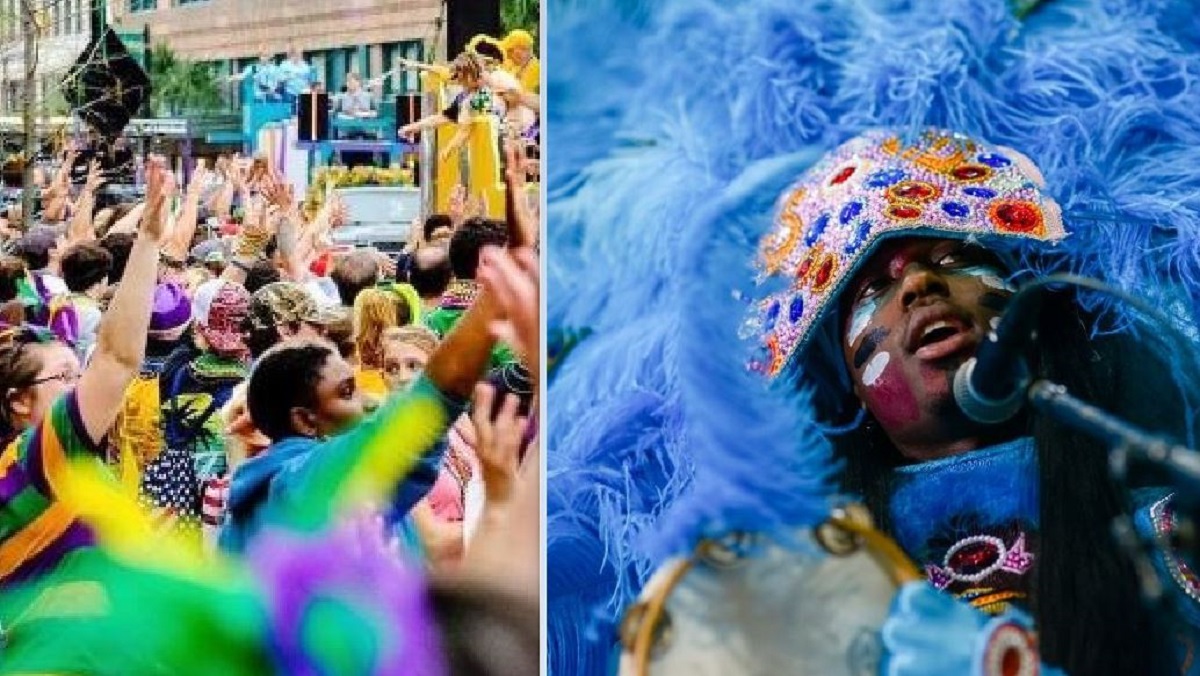
As the holiday lights twinkle a little brighter along Magazine Street and the scent of fresh king cake wafts from every corner bakery, New Orleanians know it’s time to turn our gaze toward the season that puts our city on the map: Mardi Gras. With 2026 upon us, the Crescent City’s streets are already buzzing with anticipation for a Carnival extravaganza that’s equal parts tradition, spectacle, and unbridled joy.
From the first rollicking streetcar parades to the glittering floats of Fat Tuesday, Mardi Gras isn’t just an event—it’s the heartbeat of New Orleans, featuring plenty of good food that the city is known for.
Whether you’re a lifelong local plotting your ladder spots or a visitor dreaming of beads and brass bands, here’s everything you need to know to dive into the madness of Mardi Gras 2026.
This article will tell you everything you need to know about Mardi Gras 2025 in New Orleans.
Mardi Gras: Everything You Need To Know
One of the highlights of Mardi Gras in New Orleans is the elaborate parades organized by various krewes (social organizations). Read our guide on the parade routes.
Each parade features colorful floats, marching bands, and costumed riders throwing beads, toys, and other trinkets to the crowd. Some of the most popular parades include those organized by the Krewe of Endymion, Krewe of Bacchus, and Krewe of Zulu.
When Is Mardi Gras 2026?
Mark your calendars, krewe captains and parade chasers: The 2026 Carnival season kicks off on Twelfth Night, Saturday, January 6, with the ceremonial arrival of the baby Jesus on the king cake and the first waves of costumed revelers hitting the streets.
It all builds to a fever pitch on Fat Tuesday, February 17, when the city shuts down for parades, parties, and that one last indulgence before Lent begins.
Unlike fixed holidays, Mardi Gras dances to the rhythm of the ecclesiastical calendar, always falling 47 days before Easter (which lands on April 5 in 2026).
That means six weeks of escalating festivities: early walking krewes in the Marigny and French Quarter, family-friendly daytime parades Uptown, and the blockbuster nighttime spectacles that light up St. Charles Avenue like a river of gold doubloons.
Expect school closures, street sweeping crews on overtime, and that familiar crunch of confetti underfoot from mid-January onward. Pro tip: Download the official Mardi Gras app now to track routes and avoid missing your favorite throws.
How Long Is Mardi Gras 2026?
Mardi Gras in New Orleans lasts for several weeks, with the culmination on Fat Tuesday, which is the day before Ash Wednesday. The entire period leading up to Fat Tuesday is filled with parades, parties, and celebrations, often referred to as the Mardi Gras season or Carnival season. The exact duration can vary slightly from year to year, but it usually spans from early January to the day before Ash Wednesday.
The date shifts annually because it’s tied to Easter, which falls on the first Sunday after the first full moon following the spring equinox—47 days later, you get Mardi Gras. In 2025, Easter is April 20, making March 4 the big day.
Festivities, especially in places like New Orleans, ramp up in the weeks leading up to it, with major parades often scheduled in late February and early March. Enjoy the beads, king cake, and chaos!
King cakes are a traditional Mardi Gras dessert in New Orleans. These oval-shaped cakes are decorated in the colors of Mardi Gras (purple, green, and gold) and often contain a hidden plastic baby figurine. According to tradition, whoever finds the baby in their slice of cake is responsible for hosting the next party or providing the next king cake.
When Should You Go To New Orleans For Mardi Gras?
Because of the high cost of hotels, it makes sense to book a hotel the weekend before Fat Tuesday. That’s when the majority of visitors come to the city and it’s also when some of the largest parades take place.
Book an affordable hotel in New Orleans.
What Happens At Mardi Gras In New Orleans?
Mardi Gras in New Orleans is more than just watching parades and throwing beads from a hotel balcony. The event is a celebration of the city’s culture.
You’ll see participants usually dressed in some combination of green, gold and purple along with an assortment of beads. There are also colorful floats that represent many of the city’s krewes, or social clubs.
Along with the parades and music, there will be second-line bands and plenty of parades.
: The French Quarter is the heart of the Mardi Gras festivities in New Orleans. The streets are filled with music, dancing, and revelry, and many bars and restaurants host special events and parties during this time
Why Do They Throw Beads In New Orleans?
You might be intrigued to know why people throw beads in New Orleans. Lore has it that the practice can be traced to early religious festivals that ushered in the tradition of the lent season.
In modern times, the beads have come to symbolize a hospitable gesture that parade participants engage in to reward the crowds.
What Is the History of Mardi Gras in New Orleans?
The first American whisper of Mardi Gras echoed on March 3, 1699, when French explorer Jean-Baptiste Le Moyne, Sieur d’Iberville, and his crew celebrated near the mouth of the Mississippi—about 60 miles south of what would become New Orleans—naming the spot “Pointe du Mardi Gras.”
history.com Fast-forward to 1718, when Iberville’s brother Bienville founded La Nouvelle-Orléans, and by the 1730s, masked balls and street processions were already testing the patience of Spanish governors. But the modern blueprint?
That arrived in 1857, courtesy of the secretive Mistick Krewe of Comus—a band of bon ton businessmen—who lit torches, mustered brass bands, and rolled out illuminated floats for the first organized parade, blending European pomp with Southern flair.
Over the decades, Mardi Gras absorbed waves of influence: Creole elegance from Rex’s royal court, African American ingenuity in Zulu’s coconut throws and the Black Masking Indians’ beaded suits, and feminist fire from all-women krewes like Muses.
Today, it’s a multicultural mosaic—part Catholic rite, part street theater—that draws over a million souls to our streets each year. As we gear up for 2026, it’s a reminder: In New Orleans, history doesn’t just linger; it parades right past your front porch.
How To Attend A Mardi Gras Parade
There will be several parades throughout the city for Mardi Gras. The best place to see the parade routes is here.
Final Word
If you plan on visiting the city for New Orleans, you should know that the area you’re staying in is safe.
Mardi Gras can be a crowded and chaotic event, so it’s important to stay aware of your surroundings and follow basic safety precautions. Be respectful of other revelers and local residents, and remember that public intoxication and nudity are not tolerated.
Expect to indulge in many foods that New Orleans is known For, including Gumbo, Beignets and more.
Read about things to see and do in New Orleans.
More From NolaFi.com:
-
New Orleans doesn’t have live music venues; it has living rooms with stages. On any given night you can walk out of a po-boy joint and straight into a trumpet solo that makes you believe in God. Here’s the current, no-BS list of where the real magic is happening in late 2025, from century-old shrines to brand-new rooms that are already legendary.
If you’re passing through the city or perhaps live here and want to enjoy some good music, you may have the following question:
Where Can I Catch Some Live Music In New Orleans?
This article will show you the best places for live music in New Orleans.
Tipitina’s
501 Napoleon Ave, New Orleans, LA 70115 | (504) 895-8477

Tipitana’s has for years been where the neighborhood parties. The tourists have found out about it and the show has just gotten bigger, but just as downhome.
Here is what one visitor says about Tipitina’s. “The drinks are to die for and the space is so open. I come here to see New Orleans greats in the hopes that one day I can perform along side them or have my own spot in this piece of heaven section. This night I saw the great Erica Falls she always gives me great advice on singing and performing and this is one of my fav places to see her shine. Keep up the great work and keep booking amazing talent you guys.”
House of Blues
225 Decatur St, New Orleans, LA 70130 | (504) 310-4999

Here’s what one visitor says about the House of Blues. “Restaurant: Very savory jambalya with a healthy portion of shrimp and sausage, gumbo seemed a little salty, and everything had a good kick.
Venue: always opt for VIP. However, the smaller, intimate venue provides a great experience regardless. Two bars downstairs and one upstairs with food options (which is nice). I would watch any artist in this venue.”Preservation Hall
726 St Peter, New Orleans, LA 70116

Here’s what one visitor says about Preservation Hall. “Loved it. Definitely recommend the seats vs standing. It was warm in there and the standing crowd didn’t look overly comfortable. Music was great, exactly what I was hoping it would be. Only thing that would have made it better would be an encore at the end.”
Palm Court Jazz Cafe
1204 Decatur St, New Orleans, LA 70116 | (504) 525-0200

Here’s what one reviewer says about Palm Court Jazz Cafe. “This place is wonderful. The music 1st, owned by the darlingest woman on the planet, staff warm and welcoming, food is Delicious. We had crabcake, and steak pie, fried crawfish for app…. in love completely. Dinner and phenomenal Jazz. Like I felt a warm musical hug from NOLA “
The Spotted Cat Music Club
623 Frenchmen St, New Orleans, LA 70117

Here’s what one patron says about The Spotted Cat Music Club. “Love this jazz bar! The band (Pat Casey and the new sound) that was playing last night was simply amazing it is a bit small and rather tight. Even if you get a seat, you will be blocked by others standing around. Nonetheless, am glad me and my friends discovered this place as we were looking for a jazz bar. They started charging $10 cover fee at 9:30 p.m. and we got in just before that. Make sure you tip this band if you enjoy their music because that’s how they earn.”
Chickie Wah Wah
2828 Canal St, New Orleans, LA 70119 | (844) 244-2543

Here’s what one visitor says about Chickie Wah Wah: “Had a real good time here seeing one of my favorite New Orleans artists. The owner died recently and the venue is up for sale with an uncertain future. Currently open under the existing management, it lacks some of its previous charm and is cash only. Hopefully things will work out and another unique music spot will be saved from pandemic shutdown.”
D.B.A.
618 Frenchmen St, New Orleans, LA 70116 | (504) 942-3731

Here’s what one reviewer says about D.B.A. “Phenomenal jazz music venue! Wonderful bartenders, grateful for this incredible opportunity to listen to such amazing jazz artists! We saw the Palmetto Bug Stompers, wow, just wow!”
21st Amendment Bar at La Louisiane
725 Iberville St, New Orleans, LA 70130 | (504) 378-7330

Here’s what one visitor says about 21st Amendment Bar at La Louisiane. “Awesome jazz bar. Pretty small seating but the vibe is amazing and the music is good. Right off bourbon street so it isn’t that crowded but still near the noise. Cocktails looked pretty good and service was nice.”
Blue Nile
532 Frenchmen St, New Orleans, LA 70116 | (504) 766-6193

“We loved the vibe and decor of The Blue Nile! The feel was so much better than the insane, frat party vibe on Bourbon Street. After a long day walking around exploring the French Quarter we stopped here for cocktails while listening to the Washboard Chaz Blues Trio. The band was rocking and had great energy and banter with the audience.
“The cocktails are expensive ($15-20), but the fleur de lis cocktail was absolutely divine! (Grey Goose vodka, essence of peach & rosemary, elderflower, and tonic!) This place was the perfect experience to wrap up our first day in New Orleans. We’ll definitely be back again!”
Fritzel’s European Jazz Club
733 Bourbon St, New Orleans, LA 70116 | (504) 586-4800

Here’s what one visitor says about Fritzel’s. “Live music all day and eve starting at 12:30pm. Middle of the day piano man, takes requests and does traditional Nola jazz. Night time! Lookout. Katie Rogers on trumpet kills it, along with the band. A must. Drinks starting at $5.”
Last Word
As you can see, the city’s live music scene is on and popping! Going out around the city can be an interesting experience to say the least! There are so many events, parties and conventions going on that there’s so much to see and do.
You might be curious as to how safe the city is. Check this out.
More From NolaFi.com:
-
 In an era where cash feels like a relic of the past, digital wallets have become the lifeblood of modern finance. By 2026, experts predict over 60% of the global population—more than 5.2 billion people—will rely on these apps for everything from splitting dinner tabs to funding international travel.As mobile payments eclipse $17 trillion in transactions worldwide, the fusion of electronics innovation and financial savvy is reshaping how we spend, save, and invest.This guide spotlights the top digital wallets for 2026, blending seamless usability, ironclad security, and forward-thinking features like AI-driven fraud detection and buy-now-pay-later (BNPL) integrations. Whether you’re an iOS loyalist or an Android adventurer, these picks prioritize speed, rewards, and global reach—perfect for navigating the electronics-fueled boom in contactless commerce.But with super apps bundling payments, loans, and even crypto trading, which wallets will dominate the landscape next year?
You might have heard of the term “digital wallet,” and be unclear about what we’re talking about. In this article, we’ll go over everything you need to know about a digital wallet, including what are some great options.
What Is A Digital Wallet?
A digital wallet is an electronic platform that allows you to send, receive and spend money digitally rather than in person. That means you don’t have to visit a physical store to purchase an item.
Having a digital wallet also means that you don’t have to be in the physical presence of someone to pay them or receive payment from them.
I personally use Apple Pay as my go-to Digital Wallet. I even pay one of my utility bills with Apple Pay because it’s convenient.

Perhaps you’ve heard of G Pay (Google Pay) or Apple Pay. Those are some of the more popular digital wallets, but there are more out there. All of the ones we will discuss offer secure transactions that are protected by high-tech encryption.
Here Are Some Of The Best Digital Wallet Options
If you’re interested in moving beyond some of the most well-known digital wallets, there are both payment apps and digital wallets that offer a lot more robust capabilities.
We’ll list some popular digital wallets, first then go into some payment apps.
Digital Wallets
- Amazon Pay
- G Pay (Google Pay)
- Samsung Pay
Is Amazon Pay Good To Use?
Amazon Pay is a viable option for customers who frequently buy from retailers and resellers who specialize in e-commerce. With Amazon Pay, you can easily access a payment portal that allows you to checkout in a matter of seconds.
How Safe Is G Pay?
Backed by Google, G Pay is a secure payment method that uses several layers of security infrastructures to help keep your account safe. Google Support says this about G Pay’s safety: “When you pay in stores, Google Pay doesn’t share your actual card number, so your information stays secure.”
Samsung Pay
Of all the digital wallets we’ve discussed Samsung Pay is the only one that doesn’t facilitate a way for you to pay your friends. Although that may change, the lack of this feature is a major lapse as of this writing.
With Samsung Pay, you don’t have to worry about paying any fees, but you will have to keep your phone up to date for maximum compatibility.
Payment Apps
When it comes to payment apps, some other digital wallet alternatives are:
Final Thoughts
Accessing your money has never been as easy as it is right now. All you need is a bank account and a smartphone and you can make any transaction just about anywhere. Why is this the case? Because of the digital wallet.
If you need a digital wallet that allows you to take care of all your money needs, I’d suggest Apple Pay, which is what I used. I give it the edge because of Apple Pay, which can be used to collect or pay money in your iMessages app.
For more money-saving content, stay with Nolafi.com, a New Orleans-based news and entertainment channel.
More From NolaFi.com:
-
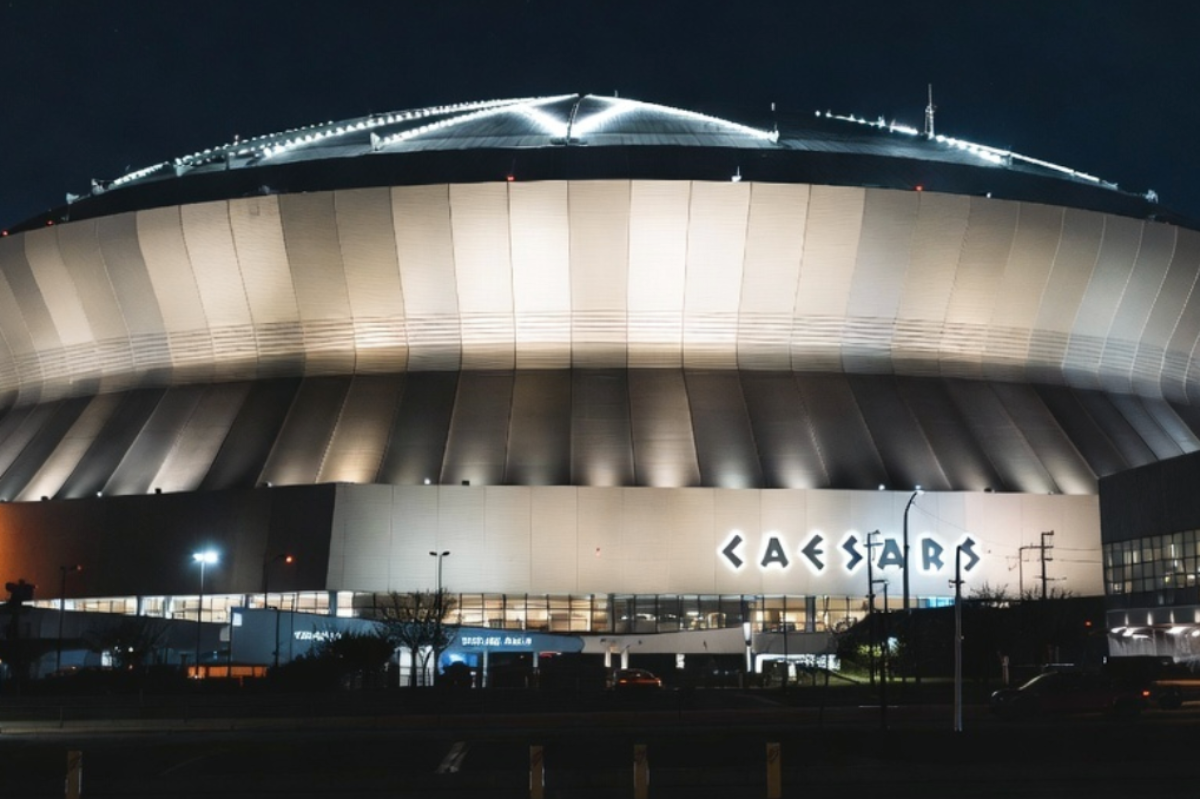
New Orleans, the Crescent City, is renowned for its vibrant culture, live jazz music and culinary delights. But every winter, the spotlight shines on one of its most cherished traditions: the Sugar Bowl.
As we gear up for another thrilling edition in the Caesars Superdome, let’s dive into the rich history and enduring significance of this storied college football classic that has put New Orleans on the national map for nearly a century.
The Origins: From Sugar Plantations to Gridiron Glory

The Sugar Bowl’s roots trace back to the late 1920s, a time when New Orleans was eager to boost its profile on the national stage. The idea was first floated in 1927 by Colonel James M. Thomson, publisher of the New Orleans Item, and sports editor Fred Digby, who envisioned a major postseason football game to rival the Rose Bowl in Pasadena.
Digby, in particular, championed the concept, suggesting the name “Sugar Bowl” to honor Louisiana’s thriving sugar industry—a nod to the state’s economic backbone.
The moniker also draws from the site’s historical ties: Tulane Stadium, where the game debuted, was built on land once part of Etienne de Boré’s plantation, the first in the U.S. to successfully granulate sugar in 1795.
Under the leadership of Warren V. Miller, the inaugural Sugar Bowl kicked off on January 1, 1935, at Tulane Stadium, with the hometown Tulane Green Wave defeating Temple University 20-14 before a crowd of 22,026.
This marked the beginning of what would become a New Year’s Day staple. Early games featured memorable moments, like Santa Clara’s back-to-back upsets over LSU in 1937 and 1938, and Fordham’s 2-0 victory over Missouri in 1942, decided solely by a safety.
The 1956 game broke barriers when Pittsburgh’s Bobby Grier became the first Black player to compete in a Deep South bowl game, defying segregationist pressures and symbolizing progress in civil rights.
Over the decades, the bowl evolved with the times. It moved to the Louisiana Superdome (now Caesars Superdome) in 1975, providing a state-of-the-art indoor venue that could host larger crowds.
A temporary relocation to Atlanta’s Georgia Dome in 2006 followed the devastation of Hurricane Katrina, but the game triumphantly returned to New Orleans in 2007, underscoring the city’s resilience.
Today, after 91 editions, the Sugar Bowl stands as the second-oldest bowl game in the nation, tied with the Orange and Sun Bowls, only behind the Rose Bowl.
A Pillar of College Football Excellence
The Sugar Bowl’s significance extends far beyond its age—it’s a cornerstone of college football’s postseason landscape.
From its early days pitting regional powerhouses against national contenders, it has grown into a key player in determining national champions. In the 1990s, it joined coalitions like the Bowl Coalition and Bowl Alliance, before becoming part of the Bowl Championship Series (BCS) in 1998.
Under the BCS, the Sugar Bowl hosted four national title games, including LSU’s thrilling 2004 victory over Oklahoma, a moment etched in Louisiana lore.
Since 2014, as one of the prestigious New Year’s Six bowls in the College Football Playoff (CFP) system, the Sugar Bowl has rotated as a semifinal site, featuring epic clashes like Ohio State’s 2015 upset of Alabama and Alabama’s 2018 revenge against Clemson.
With the CFP’s expansion to 12 teams starting in the 2024-25 season, the bowl now serves as a quarterfinal or semifinal annually, often showcasing top SEC and Big 12 teams due to longstanding conference tie-ins. 9 SEC squads have dominated, appearing in all but 12 games historically, with Alabama leading in appearances (17) and wins.
Traditions abound, from the Miller-Digby Award for the game’s most outstanding player—honoring the founders—to its broadcast on ESPN, ensuring millions tune in each year. 9 Records like the 85,161 fans at the 1973 Notre Dame-Alabama showdown highlight its draw.
Boosting the Big Easy: Economic and Cultural Impact
For New Orleans, the Sugar Bowl is more than football—it’s a economic powerhouse and cultural ambassador. Each year, it injects millions into the local economy through tourism, the best hotel bookings, and restaurant spending, with team payouts reaching $17 million per participant as of 2014.
The event draws fans from across the country, filling the French Quarter with energy and showcasing the city’s hospitality. As Fred Digby intended, it has spread the fame of New Orleans worldwide, blending sports with the city’s Mardi Gras spirit and jazz heritage.
The bowl’s organization, the Sugar Bowl Committee, extends its influence year-round through community initiatives, including youth sports programs and scholarships, even ensuring the city’s safety.
Final Word
Its archives, preserved at The Historic New Orleans Collection since 2007, safeguard memorabilia that tells the story of not just the game, but the city’s perseverance post-Katrina.
Even its sponsorship by Allstate since 2007 has helped fund local causes, reinforcing its role as a community pillar.
NOLAFI.COM is your source for all things New Orleans. Stay tuned for updates on the upcoming Sugar Bowl matchups and festivities.