-
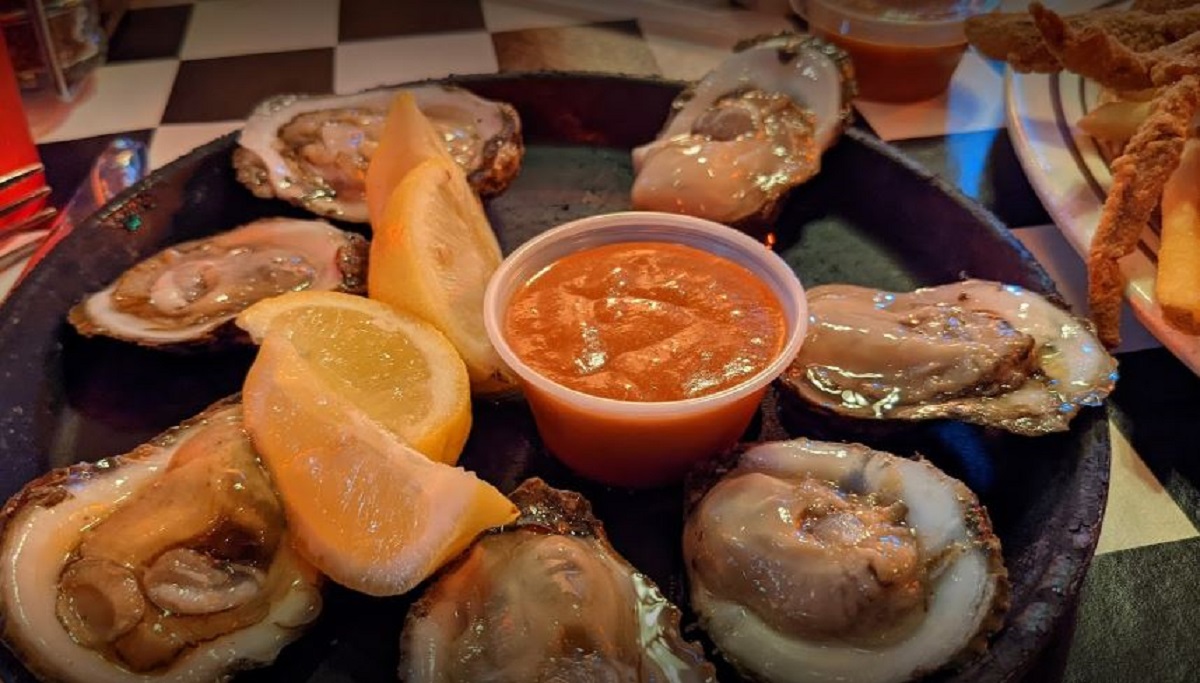
It’s (still) that time in New Orleans for Louisiana foodies. Yes, we’re talking about oyster season. If you love the little sea creatures charbroiled or fried, this oyster season is going to be good to you.
When Is New Orleans’ Oyster Season?
Oyster season in New Orleans runs roughly from September 1 to May 1 of the following year. That’s when oyster harvesting season takes place.
During that time, which corresponds to winter through the spring, you can enjoy some of the top oyster varieties and dishes.
If you choose to eat oysters outside of that season, you could get some that have a watery or “fishy” taste, or worse, come down with a bad case of food poisoning!
What Kind Of Oysters Does New Orleans Have?
New Orleans, quite naturally, is known for its Gulf oyster, which is harvested and used by many of the local restaurants, oyster bars and fish houses in the region.
Where Do Locals Go For Oysters On A Half Shell?
Bourbon Street has plenty of oyster joints, of course, you can’t go wrong with Acme, which is perhaps the most renown spot in the city. No matter how you like them — raw, chargrilled, or Rockefeller style — you can get them in New Orleans.
Final Word
Remember, oyster season in Louisiana is from around Labor Day to April 30 of the next year. Anytime outside of that, you’ll have to trust the reputation of the restaurant.
Eating in season is one of the best ways to enjoy Louisiana cuisine. From oysters to crawfish and other delicacies, pay attention to the calendar before you order from the menu.
When New Orleans’ food is mentioned on a national level, it somehow always reverts back to gumbo, which is the best around, although the city’s eateries certainly represent those dishes well, there’s so much more.
More From NolaFi.com:
-
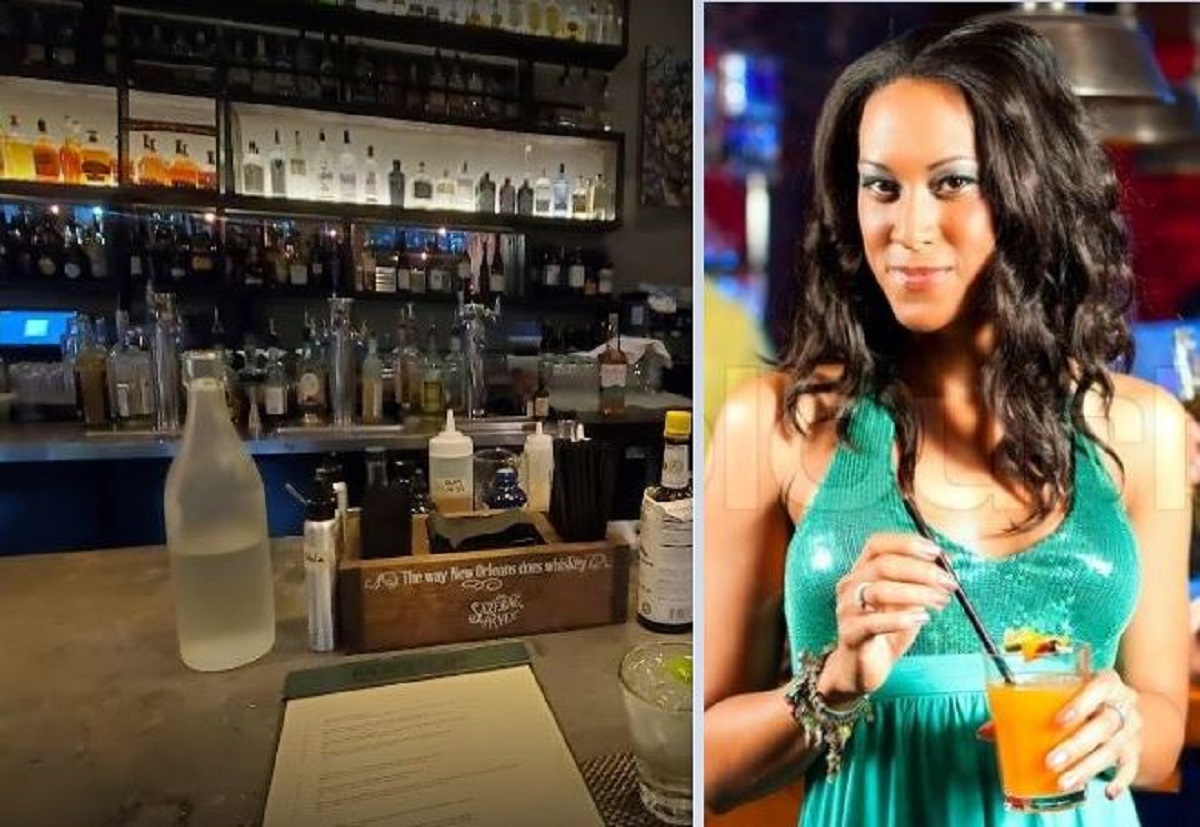
Who doesn’t even a great shot or two after work? The Crescent City is known for its cuisine, but when it’s time for a drink, what are your go-to places? In this article, real people tell us which restaurants and bars have the best drinks.
From downtown to Uptown and places in between, these places will refresh your palette with strong, flavorful drinks you won’t soon forget.
Before we get started, let’s go over some house rules:
- Drink responsibly
- Never accept a drink from a stranger that doesn’t come directly from the bartender or server.
- Always have a designated driver or call a friend, family member, taxi, Uber or Lyft to get home.
Ready to get started? Bottoms up!
Here Are The Best Places To Grab A Cocktail In New Orleans
Brigtsen’s Restaurant
723 Dante St, New Orleans, LA 70118 | (504) 861-7610

Here’s what one patron says about Brigten’s food: “This had to be one of my favorite dining experiences in New Orleans. We came in without a reservation and the beautiful Marna accommodated us. Everything we ate was delicious. You could taste the love in food. You must try this food, the wait service was impeccable. I can’t wait to get back and make a reservation. What a beautiful experience!”
Coquette
2800 Magazine St, New Orleans, LA 70115 | (504) 265-0421

Here’s what one customer says about Coquette: “Every dish was a well balanced pairing of local flavor and impressive culinary capacity. The way they put these dishes together is going to stick with me for a while. Everything was wonderfully paired with the other components on the dish. Perfect for a nice dinner on a quiet night. Stick around for dessert and the Amaro list. We will be coming back again!”
Herbsaint
701 St Charles Ave, New Orleans, LA 70130 | (504) 524-4114

Here’s what one diner says about Herbsaint: “The food deserve 5 stars, but I had to go with 4 because when we ate, almost everything was quite too salty. However we got there at almost 9pm with no reservation, and still they managed to give us a table, which was awesome. For VEGANS don’t be afraid to come eat here, the chef will prepare something at his discretion. And what I go it was Soo Good! My husband asked for 3 portion of short ribs, that’s how much he enjoyed them. My husband actually returned a dish back because it was too salty, and we appreciate that we were not charged for it. Service could have been more personable, but no complaints.”
Maypop
611 O’Keefe Ave, New Orleans, LA 70113 | (504) 518-6345

Here’s what one customer says about Maypop: “In a sea of restaurants that are [more or less] putting out the same types of food, it is guaranteed you will find completely unique and incredible eats at Maypop
“I’m not even sure what you’d classify this type of food. Definitely Asian fusion but it’s simply better than that. Everything here is simply delicious and unexpected.”
Nola Caye
898 Baronne St, New Orleans, LA 70113 | (504) 302-1302

Here’s what one customer says about Nola Caye: “My friend and I originally ordered brunch through Door Dash. The food was AMAZING! So, we decided to eat in for dinner. As visitors to New Orleans I will say NOLA Caye is a very nice place. The waitress was a little off beat at first(not the most pleasant),however she eventually was very good. Yes,a nice tip was left. The restaurant is very pretty and offers a subtle charm. I loved the brick walls. Our food was delicious. As a travel agent I will definitely recommend the restaurant to my travel clients visiting the beautiful city.”
Ruby Slipper Cafe
200 Magazine St, New Orleans, LA 70130 | (504) 525-9355

Here’s what on customer says about the Ruby Slipper: “We sat at the bar and had a really good waiter/bartender. The trifecta was amazing! Highly suggest. The Bloody Mary with bacon infused vodka was delicious.”
Oceana Grill
739 Conti St, New Orleans, LA 70130 | (504) 525-6002

Here’s what one diner says about Oceana Grill: “As always the food was great Maw Maw’s Cajun Breakfast never disappoints and pairs really well with their amazing Bloody Mary.”
Pluck Wine & Bar Restaurant
722 Girod St, New Orleans, LA 70130 |

Come for the Rose’, stay for the Flash Fried Frog Legs.
Here’s what one food lover has to say about Pluck Wine & Bar: “Super cool wine place with a smart wine list and lots of tasty bites. I love it, definitely a great place to overindulge. If you’re going to buy a really nice bottle they better have the right glass for it and this place definitely does. Wonderful.”
Final Word
If you’re looking for a cool spot to grab a drink, Nola has plenty of places to choose from. New Orleans has the perfect spots to enjoy a strong mimosa while you munch on brunch favorites like scrambled eggs and Canadian bacon.
Remember that waiters and waitresses across the industry make less than $3 a day unless they receive tips, so please show your gratitude for your service.
Looking for more places to eat in Nola? Here Are Some Top Desserts To Order In New Orleans.
More From NolaFi.com:
-
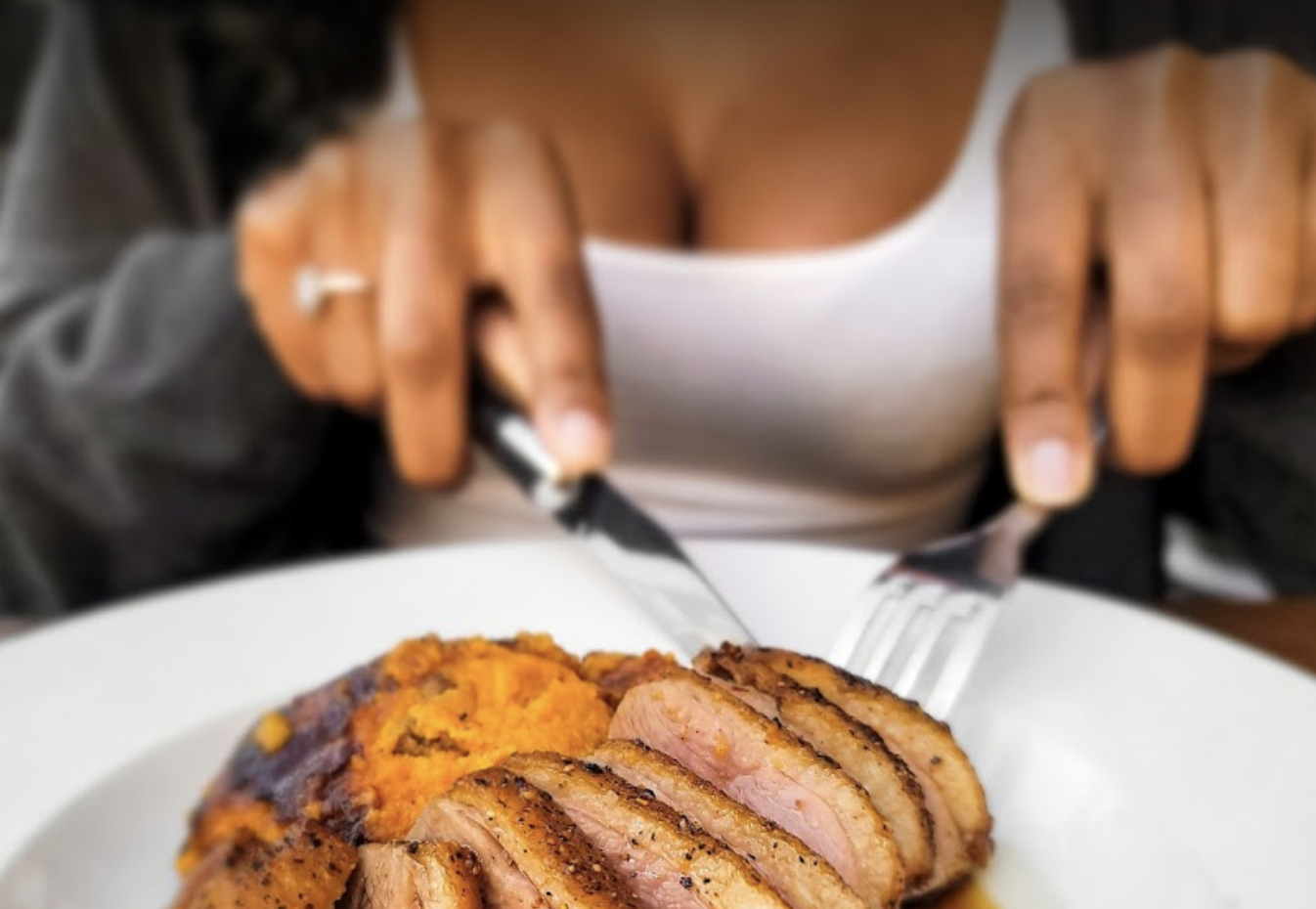
If you know New Orleans, you know that there are differing views on what the city’s signature dish is today. But if you watch what actually moves through the city’s kitchens, po’boy shops, gumbo pots, and late-night takeout windows, one dish rises above the noise: the gumbo.
The city regards it as a matter of pride that they can satisfy the most bland taste buds.
The city has a reputation for serving some of the most tasty dishes in the United States, but what is New Orleans really known for?
What Are New Orleans’ Most Popular Dishes?
Here are the most popular foods that are served in New Orleans, according to popularity.
Not only are those the most popular foods in New Orleans, but those are the best dishes in all of Louisiana.
Where To Get Gumbo In New Orleans
If you’re all in on gumbo, here are three restaurants to find it in the city.
Gabrielle
2441 Orleans Ave, New Orleans, LA 70119 | (504) 603-2344

Here’s what one reviewer says about Gabrielle’s: “It’s a family-owned and run so it provides great welcoming atmosphere. A loaf of fresh warm bread welcomes you as you await for your entre. We ordered the fish on a crab cake and served with corn and snap peas – it was really tasty and fresh. Then we also ordered the duck per the server’s recommendation, this was also great.”
Grand Isle Restaurant
575 Convention Center Blvd, New Orleans, LA 70130 | (504) 520-8530

Here’s what one customer says about Grand Isle Restaurant: “Amazing seafood! Restaurant was nice, service was great! Definitely 5 stars, and will return!! I had the Blackened Gulf fish, hot Crab dip.”
Gumbo Ya-Ya
600 Decatur St, New Orleans, LA 70130 | (504) 291-8600

Here’s what one customer says about Gumbo Ya-Ya: “We stopped by this gumbo place as we were walking toward the French Quarter. It was supposed to be a 30 minute wait but we were seated in about 10 mins. We ordered a seven steaks gumbo with jambalaya rice topping and a seafood and okra gumbo also with jambalaya rice topping for $6.50 each. It was a good portion, tasty, and filling. The view was very romantic and beautiful! And the service was fast and awesome – Kori was our server!”
Here are more of New Orleans’ top gumbo spots.
Where To Get The Best Beignets
Do you love beignets (who doesn’t love beignets)? These spots have the best ones around New Orleans.
Streetcar Cafe
312 St Charles Ave, New Orleans, LA 70130 | (504) 218-7256

Here is what one customer says about Streetcar Cafe: “Best beignets I ever ate. They were huge. 3 covered a plate.”
The Vintage
3121 Magazine St, New Orleans, LA 70115 | (504) 324-7144

Here is what one customer says about The Vintage: “Best beignets in New Orleans, very light and fluffy!! I highly recommend giving them a try!”
Loretta’s Authentic Pralines
13 French Market Pl, New Orleans, LA 70116 | (504) 323-8350

Here is what one reviewer says about Loretta’s Authentic Pralines (French Market): “Beignets are the best! Far better than any other place in my opinion. These are light and fluffy, others are heavy and more like a pound cake or bread. Not my favorite pralines, but not the worst in town either.”
Here’s more on the best beignets in New Orleans.
Where To Find The Best Po-Boys
Here are some of the best places to find those good po-boys in New Orleans:
Parkway Bakery
538 Hagan Ave, New Orleans, LA 70119 | (504) 482-3047

Here is what one customer says about Parkway Bakery, which is the home of the po-boy: “My first trip to New Orleans and my first stop to eat was Parkway Bakery and Tavern for a Fried Shrimp Poor Boy Dressed. This and a Sweet Tea hit the spot. Great place to eat and a must if you are wanting a Poor Boy. I’ve been other places to get a Po Boy, but nothing like getting one in New Orleans. I highly recommend making a trip to Parkway and get your Poor Boy fix. Just need one in North Alabama. This was my first time dining here.”
Domilise’s Po-Boy & Bar
5240 Annunciation St, New Orleans, LA 70115 | (504) 899-9126

Here’s what one reviewer says about Domilie’s: “Great little place. Classic NOLA po-boys. Quick service. Was not dine in when we were there, but it was 70 degrees outside with clear blue skies and our crew got a variety of sandwiches: shrimp, roast beef, ham/cheese – they were all good. Great fries – very substantial.”
Guy’s Po-Boys
5259 Magazine St, New Orleans, LA 70115 | (504) 891-5025

Here’s what one custome says about Guy’s Po-Boys: “Amazing! Loved our shrimp po boy! Cheese fries were nothing to write home about. Staff was super friendly and we loved this quaint spot!”
Here’s more on the best po-boys in New Orleans.
Where To Find The Best Jambalaya In New Orleans
Now let’s look at some top places for some good old jambalaya.
Gumbo Shop
630 St Peter, New Orleans, LA 70116 | (504) 525-1486

Here’s what one reviewer says about the Gumbo Shop: “Best jambalaya in New Orleans. We were there for 8 days and searched out the best places for jambalaya on the internet… and we tried them all. This one was absolutely the best!”
New Orleans Creole Cookery
508 Toulouse St, New Orleans, LA 70130 | (504) 524-9632

Here’s what one customer says about New Orleans Creole Cookery: “The absolute BEST Jambalaya I have ever had In my life!!! I took a girls trip to New Orleans and found this little place by accident and we were so glad I did! We made sure to go back before we left! The jambalaya, the catfish and the hush puppies were to LIVE for!! Precious (The hostess) is the sweetest person, and the waiters (I don’t remember the first ones name I just remember he said he was newish but he was amazing) the second ones name was James and he was also amazing. I definitely recommend stopping through here if you want great cuisine!”
Mulate’s — The Original Cajun Restaurant
201 Julia St, New Orleans, LA 70130 | (504) 522-1492

Here’s what one customer says about Mulate’s: “The bread pudding is the best! Very good jambalaya. Good live Zydeco band!”
Final Word
New Orleans has a cuisine uniquely its own. All of its restaurants represent the Nola food heritage well. When you visit the city, “flavor” is a word that comes to mind.
New Orleans food is legendary around the world, but you might e surprised to learn which dishes stand out the most to people.
If you’re the type of person that doesn’t get out much, you’re missing out on the city’s top-notch cuisine. You can get your food to go or even delivered to you in most cases.
New Orleans is not only a world-class city, but a cultural centerpiece of the Southeast, from restaurants to its parks, the city stands out as a place to visit and live. Looking for something to do in the city? What To See And Do In New Orleans.
More From NolaFi.com:
-
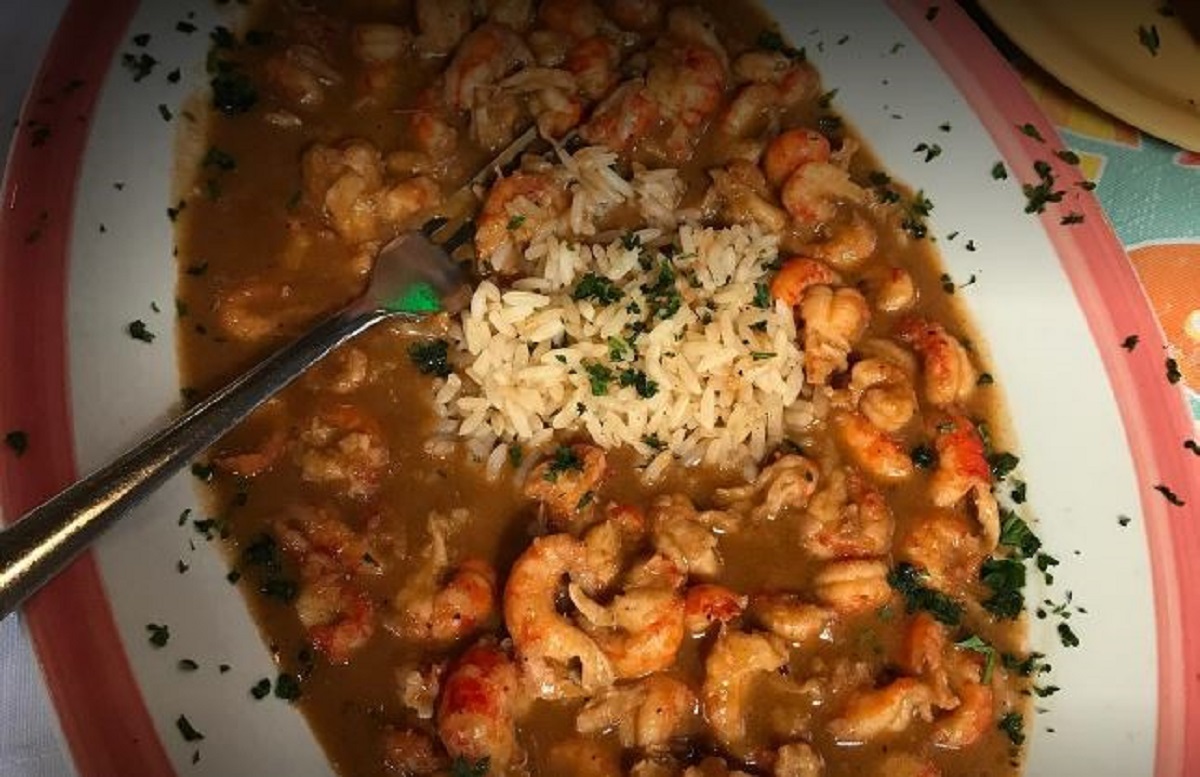
Étouffée is a French word that means “smothered,” which is appropriate when you think about it. It is a primary New Orleans dish that features a rich, roux-based sauce with seafood (typically crawfish or shrimp, occasionally gator) served over rice.
If you’re thinking about visiting New Orleans or perhaps you’re a local who wants to treat yourself: Where is the best étouffée in the city?
Where To Get The Best Étouffée In New Orleans
We’ve researched area menus to come up with the best New Orleans restaurants for étouffée. Keep reading to find out.
How Many Types Of Étouffées Are There?
The first thing to know is that there are several types of étouffées. Depending on the restaurant you go to, you may see these on the menu:
- Shrimp étouffée
- Crawfish étouffée
- Gator étouffée
Those are the main types of étouffées, but there may be other various ones depending on the creativity of the chef or what’s popular with the patrons.
Now let’s get into the best places to get some étouffée in New Orleans.
Creole House Restaurant & Oyster Bar
509 Canal St, New Orleans, LA 70130 | (504) 323-2109

Here’s what one diner says about Creole House. “… ! Lots to choose from in the historic place. Hostess was very accommodating and waitress was quick and helpful. Tried the 4-way sampler of gumbo/etouffee/jambalaya and red beans. Delicious.”
Mr. Ed’s Seafood & Oyster House
Greater New Orleans Locations:
- Bienville: 512 Bienville St, New Orleans, LA 70130
- 1327 St Charles Ave, New Orleans, LA 70130
- 301 N Carrollton Ave, New Orleans, LA 70119
- 1001 Live Oak St, Metairie, LA 70005

Here’s what one customer says about Mr. Ed’s. “The best shrimp etouffee I’ve had in New Orleans! We also had creole gumbo, which was fantastic. Such a good meal! And our waiter, Carli, was awesome and helped make the meal even better. I highly recommend Mr Ed’s.”
Jacques-Imo’s
8324 Oak St, New Orleans, LA 70118 | (504) 861-0886

Here’s what one diner says about Jacques-Imo’s. “The food is amazing. Great cajun selections and large portions. I had the crawfish etouffee and the rabbit and sausage gumbo. They were both excellent. We also had the grilled oysters. They were also good. Service was great. It’s a very popular place, crowded and noisy but not in a bad way. Worth the wait. In fact, wait at the Maple Leaf bar next door and grab a quick drink.”
Felix’s Restaurant and Oyster Bar
739 Iberville St, New Orleans, LA 70130 | (504) 522-4440

Here’s what one customer says about Felix’s. “Great spot for all of your New Orleans favorite food. Fresh shucked oysters on the half shell, char-grilled or fried in a poor boy. Best gumbo, jambalaya and etouffee. Always my first and last stop in the French Quarter.”
Evangeline
329 Decatur St, New Orleans, LA 70130 | (504) 373-4852

Here’s what one diner says about Evangeline. “The crab cakes are Fresh and crispy sauteed in butter. The Etouffee is also made from scratch….and you can certainly tell! Our bar man/server was Amazing Thank you Craig.”
Mother’s
401 Poydras St, New Orleans, LA 70130 | (504) 523-9656

Here’s what one customer says about Mother’s. “Crawfish etouffee is the best! Seafood gumbo is average. Pecan pie is great. Bread pudding is ok. Jambalaya is great! Definitely worth a try. Thanks to the rain, didn’t wait at all.”
Mambo’s
411 Bourbon St, New Orleans, LA 70130 | (504) 407-3717

Here’s what one reviewer says about Mambo’s. “Absolutely lights out Crawfish Etouffee. Amazing how they can cram all of that intense seafood flavor into every bite. Honestly one of the most complex dishes I’ve ever had. The depth and character is something to behold. So much crawfish in every bite. Worth every penny and every minute of waiting. Host was super friendly and accommodating while we were in line.”
Final Bite
Like delicious Gumbo, Étouffée is one of New Orleans’ signature dishes. South Louisiana is not the only place for you to enjoy top-notch Étouffée. The popular food item can be found in the Acadiana region of the state as well as up north as far as Caddo Parish near Dallas, Texas.
If you’re planning a visit soon, I’d suggest double-checking their official websites, Google Maps/Yelp pages, or calling ahead for the most up-to-date hours/menus, as things can change seasonally or unexpectedly in the restaurant world. Enjoy the étouffée—sounds like a delicious lineup!
As long as you’ve got the proper Cajun or Creole seasoning, you should be straight.
More From NolaFi.com:
-
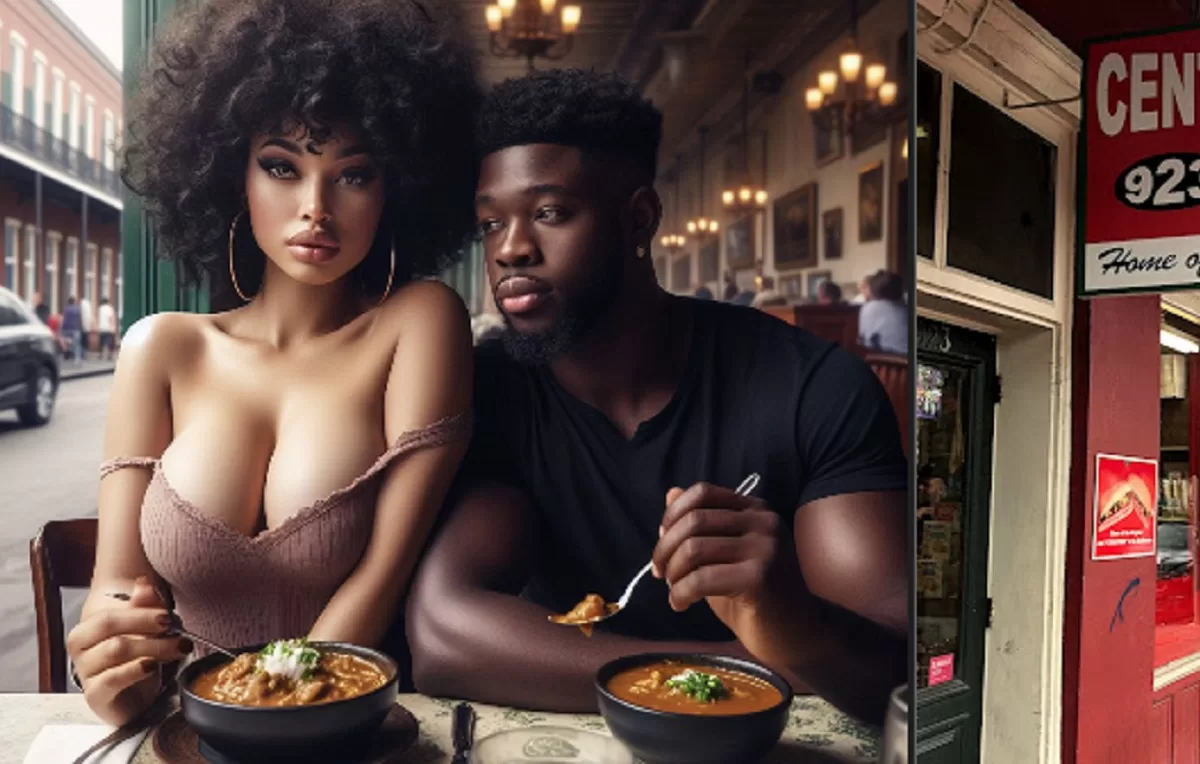
The French Quarter is the beating heart of New Orleans, famous for its jazz, architecture, and food. But amid the neon lights and crowds on Bourbon Street, it’s easy to stumble into overpriced tourist traps serving mediocre gumbo or frozen hurricanes.
Étouffée, particularly crawfish and shrimp, is a local favorite, especially in spring when crawfish are in season.
For an authentic dining experience, you might ask where do the locals go to eat in New Orleans, specifically the French Quarter. We’ve got a few spots that we enjoy. Shall we?
Café du Monde
800 Decatur St, New Orleans, LA 70116 | (504) 587-0833

Famous for its beignets and café au lait, this iconic spot is popular among locals and visitors alike for a classic New Orleans breakfast or snack.
Love these sweet treats? Read our Beignet Guide for New Orleans.
Central Grocery
923 Decatur St, New Orleans, LA 70116 | (504) 523-1620

Known for its Muffuletta sandwich, Central Grocery is a favorite among locals for a taste of this classic New Orleans dish.
Acme Oyster House
724 Iberville St, New Orleans, LA 70130 | (504) 522-5973

A popular spot for fresh seafood and oysters, Acme Oyster House is known for its lively atmosphere and delicious dishes.
Here’s what a visitor to Acme Oyster House says. “If Chargrilled oysters are your thing then this is the place for you! One of the best in town. I always overeat everytime we visit. Love the staff as well. Always so welcoming.”
Coop’s Place
1109 Decatur St, New Orleans, LA 70116 | (504) 525-9053

This casual eatery is popular with locals for its Cajun and Creole cuisine, including dishes like gumbo, jambalaya, and fried chicken.
Here’s what one customer says about Coop’s Place. “This place is incredible! The Rabbit and Sausage Jambalaya is so good I could probably eat a gallon of it. The Cajun Fried Chicken is perfectly seasoned, moist, and crispy. The Cole Slaw is like the cole slaw you expect at a southern family reunion and that’s a good thing. The Red Beans & Rice was perfect.”
Johnny’s Po-Boys
511 St Louis St, New Orleans, LA 70130 | (504) 524-8129

A classic New Orleans po-boy shop, Johnny’s is known for its wide variety of po-boy sandwiches, including both traditional and creative options.
Sylvain
625 Chartres St, New Orleans, LA 70130 | (504) 265-8123

Known for its upscale yet relaxed atmosphere, Sylvain offers a menu of modern American cuisine with a Southern twist, making it a popular choice for a special night out.
Final Bite
Where the locals eat is where the good food is at for sure. As a top-tier convention city, New Orleans is known for its many festivals, parties and events. Is the city safe? Of course. That also means that Nola is also a top travel destination.
Want real-time tips on how to save when you’re on a trip? Read our Travel Savings Guide.
-
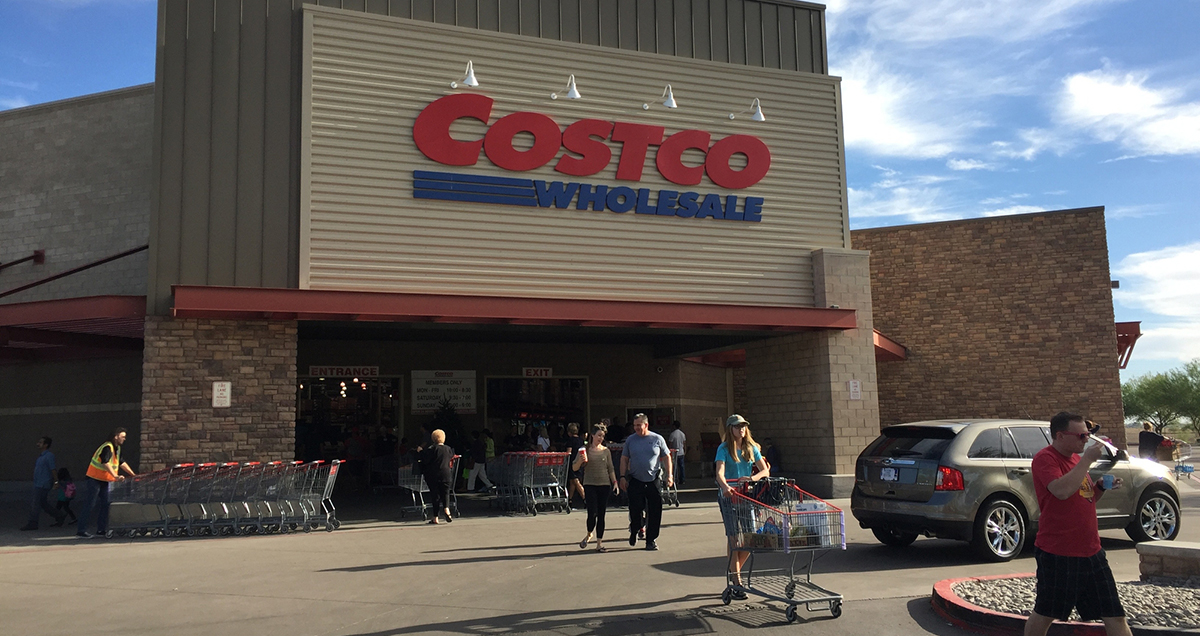
This year, Christmas and Christmas Eve fall on a Wednesday, and Thursday, which is a surefire way to predict the most hectic days that people will be shopping until the last minute at grocery stores in New Orleans, Louisiana and elsewhere.
If you need to go pickup an item or two, you may be wondering what the operating hours are for local stores. For instance, is Kroger open today? How long will Publix close? You’ve got questions and we’ve got answers.
This article will tell you everything you need to know about the grocery store hours for the major supermarket chains around New Orleans.
Is Kroger, Walmart, Whole Foods And More Open For Christmas And Christmas Eve?
On holidays we know that grocery store hours tend to change. Some stores are closed, while some adjust their hours to remain open just a while.
For the latest information, you should call your local grocery store to see if they have changed their hours on any particular day.
Quick Links: Grocery Store Holiday Hours
Is Albertson’s Open For Christmas Eve And Christmas Day?
Albertson’s is abiding by modified holiday hours for Christmas Eve and Christmas Day. On Christmas Eve, Albertson’s will close early. On Christmas Day, the supermarket and pharmacy will be closed.
Albertson’s Holiday Hours:
- Christmas Eve — 6:00 AM-4:00 PM
- Christmas Day — Closed
What Are Costco’s Holiday Hours?
Costco usually stays open from 10 a.m. to 8:30 p.m. daily. For Christmas and Christmas Eve, things will be a bit different.
Costco Holiday Hours:
- Dec 24: 10 am – 8:30 pm (Christmas Eve)
- Dec 25: Closed (Christmas Day
Rouses Market Holiday Hours
At Rouses stores, metro New Orleans locations will be closed for Christmas Day so that team members can enjoy it with their families. Stores will reopen as usual on Sunday, December 26.
Here are Rouses Market holiday hours:
- Christmas Eve — 8 p.m. close
- Christmas Day — closed
Sam’s Club Holiday Hours
Sam’s Club has altered its operating hours during the holidays, including on Thanksgiving, Christmas Eve, New Years Eve and New Years Day. Whole Foods is closed on Christmas Day.
Here are Sam’s Club’s holiday hours in New Orleans:
- Dec 24: 10 am – 10 pm (Christmas Eve)
- Dec 25: Closed (Christmas Day)
Is Walmart Open On Christmas Or Christmas Eve?
Walmart will be closed on Christmas Day. It’s the only day of the year when Walmarts all over are shut down. On the day after Christmas, December 26th, Walmart will resume regular hours.
Walmart Holiday Hours:
- Dec 24: 7 am – 10 pm (Christmas Eve)
- Dec 25: Closed (Christmas Day
Whole Foods Holiday Hours
Whole Foods is operating on modified hours during the holidays, including on Thanksgiving, Christmas Eve, New Years Eve and New Years Day. Whole Foods is closed on Christmas Day.
Here are Whole Foods holiday hours in New Orleans:
- Dec 24: 8 am – 7 pm (Christmas Eve)
- Dec 25: Closed (Christmas Day)
Winn-Dixie Holiday Hours
Winn-Dixie is open on Christmas Eve and closed on Christmas Day. The following day, the grocery store will resume regular store hours.
Winn-Dixie Holiday Hours:
- Dec 24: 7 am – 10 pm (Christmas Eve)
- Dec 25: Closed (Christmas Day
What’s Open On Christmas?
If you need any last-minute items, you can rest assured that gas stations will be open. But many drug stores, including CVS, Rite-Aid and Walgreens will all be open on Christmas Day.
Again, for specific stores near you, it is best to give them a call before you get in your car and drive there.
More From NolaFi.com:
-
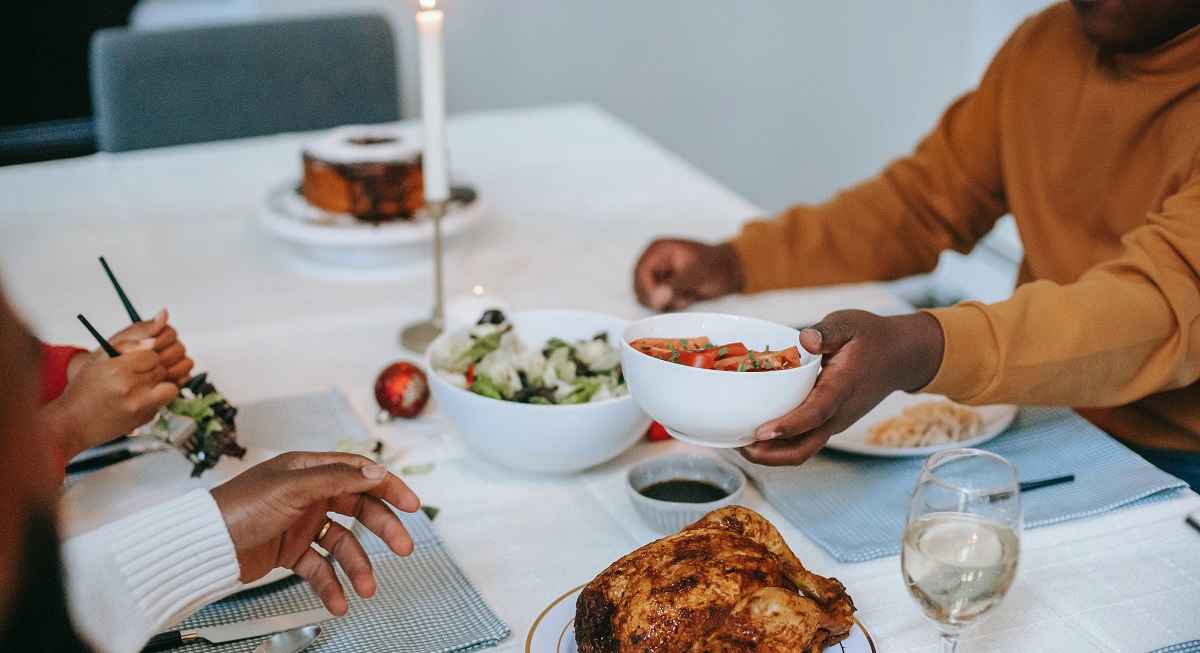
New Orleans is world-famous for its bold, flavorful cuisine—a unique blend of Creole, Cajun, French, African, Spanish, and Italian influences.
The city’s proximity to the Gulf means fresh seafood stars in many dishes, while traditions like the “holy trinity” (onions, celery, bell peppers) form the base of countless recipes. Here are the iconic foods that define NOLA’s culinary identity:
But what food stands out when you think of the city? That’s what this article will answer and more.
What Is New Orleans’ Signature Dish?
Many people in New Orleans will swear by their mama’s cooking, and for good reason. That’s where many of its residents learned how to cook.
Let’s look at some dishes New Orleans is known for from the French Quarter to the Garden District and beyond.
- Bananas Foster
- Beignets
- Boudin
- Bread Pudding
- Crawfish Etouffee
- Fried Fish
- Gumbo
- Jambalaya
- Po-Boys
- Red Beans And Rice
- The Muffaletta
Bananas Foster

Bananas Foster is a classic dessert with a rich history that dates back to 1950s New Orleans. The dish was created at Brennan’s Restaurant, a famous eatery in the French Quarter.
At the time, New Orleans was a major hub for the importation of bananas from Central and South America. Owen Brennan, the restaurant’s owner, challenged his chef, Paul Blangé, to create a dessert that featured bananas.
The result was Bananas Foster, a decadent dish made with bananas, butter, brown sugar, cinnamon, rum, and banana liqueur. The ingredients are flambéed and served over vanilla ice cream. The dessert was named after Richard Foster, a friend of Owen Brennan and a local civic and business leader who was involved in various initiatives in the city. Bananas Foster quickly became a signature dish at Brennan’s and has since become an iconic dessert, enjoyed both in New Orleans and around the world.
Food is a huge part of the city’s identity and heritage, and the dishes that are served at New Orleans restaurants have become a big part of civic pride.
Some dishes more accustomed to diners on the Eastern Seaboard — like oysters and crabs — or served in New Orleans as well. But when all is said and done, crawfish rules.
Beignets
Beignets are a beloved New Orleans delicacy with a deep history rooted in French cuisine. The word “beignet” comes from the French term meaning “fritter” or “doughnut,” and these pillowy squares of fried dough are traditionally dusted with powdered sugar.
The history of beignets in New Orleans dates back to the 18th century, when French colonists settled in the area. It’s believed that beignets were introduced to the city by French settlers or Acadians (who became the Cajuns) fleeing Canada. The recipe evolved from European fritters, which were a common treat in France and other parts of Europe.
In New Orleans, beignets became a staple of the Creole cuisine and were typically enjoyed for breakfast or as a snack, often paired with chicory coffee. The popularity of beignets skyrocketed in the 20th century, largely due to Café du Monde, a historic coffee stand that has been serving these treats since 1862. Located in the French Quarter, Café du Monde is synonymous with beignets and is a must-visit spot for locals and tourists alike.
Today, beignets are recognized as a symbol of New Orleans culture and continue to be enjoyed by people worldwide.
Read up on where to get great beignets in New Orleans.
Boudin

Boudin is a traditional Cajun sausage with a rich history tied to the cultural melting pot of southern Louisiana. The origins of boudin trace back to the 18th century when French-speaking Acadians were expelled from Canada and settled in the swamps and bayous of Louisiana, forming the backbone of Cajun culture.
Boudin was born out of necessity and resourcefulness. In rural Louisiana, where hunting and farming were crucial for survival, every part of the animal was used, and nothing went to waste. Boudin evolved as a way to stretch limited resources and provide a filling meal. Traditionally, boudin is made from a mixture of pork (often using scraps like liver), cooked rice, onions, peppers, and seasonings, all stuffed into a sausage casing.
There are two main varieties of boudin: boudin blanc and boudin rouge. Boudin blanc is the most common and contains no blood, while boudin rouge, which is less common today, includes pig’s blood, giving it a reddish color.
Boudin became a staple in Cajun communities because it was easy to prepare and transport. It was often eaten as a quick meal or snack, especially in the morning or while working in the fields. The tradition of making boudin has been passed down through generations, with families and butchers in Acadiana (the heart of Cajun country) each developing their own recipes and techniques.
Bread Pudding

Bread pudding is a beloved dessert with humble origins that date back centuries. Its history is rooted in frugality and resourcefulness, as it was originally developed as a way to use up stale or leftover bread. Variations of bread pudding can be traced back to ancient times, with similar recipes found in medieval Europe.
In the 11th and 12th centuries, European cooks began soaking stale bread in milk, fat, and sweeteners like honey to create a custard-like dish. Known as “poor man’s pudding,” it became a staple among lower-income households, where food waste had to be minimized.
As bread pudding recipes spread across Europe, they evolved and became more refined. By the 18th century, the dish was a common comfort food in England and France, where it was often flavored with spices, dried fruit, and alcohol.
In the United States, bread pudding became especially popular in the South, where it was adapted with local ingredients and flavors. In New Orleans, the dish took on a distinct Creole influence.
The city’s version often includes ingredients like bourbon, vanilla, and raisins, served warm with a rich, boozy sauce. Bread pudding became a staple in New Orleans cuisine, appearing on menus from fine dining establishments to casual eateries.
Crawfish étouffée

Crawfish étouffée is a classic Louisiana dish with roots deeply embedded in Creole and Cajun cuisine. The word “étouffée” comes from the French word meaning “to smother” or “to stew,” which perfectly describes the cooking process for this rich and flavorful dish.
The origins of crawfish étouffée can be traced back to the 1920s and 1930s in the bayou regions of Louisiana, particularly in the town of Breaux Bridge, which is now known as the “Crawfish Capital of the World.” It was originally a home-cooked dish, likely created by Cajun families who lived off the land and made meals using locally sourced ingredients like crawfish.
Cajun cuisine is known for its simple yet hearty cooking, often using a dark roux (flour and fat cooked until brown) as a base for stews and gravies. Crawfish étouffée is made by smothering crawfish tails in a buttery roux, along with onions, bell peppers, celery (the “holy trinity” of Cajun cooking), and spices. The dish is then served over rice.
The dish eventually crossed over into Creole cuisine, which is more refined and influenced by the French, Spanish, and African cultures of New Orleans. Creole versions of étouffée might include tomatoes and a lighter roux, differing from the traditional darker, spicier Cajun style.
Check out the best étouffée in New Orleans.
Fried Fish

Fried fish is a dish with a long and diverse history, crossing cultures and centuries. The technique of frying fish likely dates back thousands of years, as frying is one of the oldest cooking methods known to humans. Different cultures have prepared and enjoyed fried fish for generations, but the dish we know today has its roots in several distinct culinary traditions.
The earliest references to frying fish can be traced to ancient civilizations like Egypt and Rome, where frying was used as a quick and effective method of cooking. As trade routes expanded, the technique spread to various regions, leading to diverse regional adaptations of fried fish.
In Europe, particularly in England, fried fish became popular in the 16th century. Sephardic Jews fleeing religious persecution in Spain and Portugal are credited with introducing the practice of frying fish in oil.
They prepared pescado frito (fried fish), a dish that became a staple in Jewish communities in London. Over time, this practice influenced the creation of one of England’s most famous dishes: fish and chips, which emerged in the 19th century and became a working-class staple.
Gumbo

Gumbo is a quintessential dish of Louisiana cuisine with a rich and complex history, reflecting the cultural fusion that characterizes Creole and Cajun cooking. Its origins are a blend of influences from French, Spanish, African, and Native American culinary traditions.
- The base for gumbo often includes a thickened broth made from ingredients like okra or filé powder (dried, ground sassafras leaves). Okra is believed to have been introduced by Native Americans, while filé powder was used by the Choctaw people. These ingredients became integral to gumbo’s unique texture and flavor.
- African Influence: Enslaved Africans contributed significantly to the development of gumbo, particularly through the use of spices, herbs, and the technique of creating a roux (a mixture of flour and fat). The practice of simmering meats and vegetables to create a rich, hearty stew was also an African culinary influence.
- French and Spanish Influence: The French and Spanish settlers brought their own cooking techniques and ingredients to Louisiana. French chefs introduced the concept of using a roux as a base for soups and stews, while Spanish influence can be seen in the use of spices and cooking methods.
Evolution: Gumbo began to take shape in the 18th and 19th centuries as various cultures in Louisiana blended their culinary traditions. The dish traditionally consists of a strongly flavored stock, a roux, and a combination of meats or seafood. Common proteins include chicken, sausage, shrimp, and crab. Vegetables such as onions, bell peppers, and celery (the “holy trinity” of Creole cooking) are also essential components.
Check out our New Orleans Gumbo Guide.
Jambalaya

Jambalaya is a classic dish of Creole and Cajun cuisine with a history deeply intertwined with the cultural melting pot of Louisiana. The origins of jambalaya reflect the diverse influences that shaped Louisiana’s culinary traditions, combining elements from French, Spanish, African, and Caribbean cooking.
The dish likely evolved in the 18th century in New Orleans and the surrounding areas, blending the culinary practices of early French settlers, Spanish colonists, and enslaved Africans.
The concept of jambalaya is thought to have been influenced by Spanish paella, a rice-based dish that often included a mix of meats and seafood. When the Spanish settlers arrived in Louisiana, they brought their rice-cooking traditions with them, which eventually merged with local ingredients and cooking styles.
The name “jambalaya” itself is believed to come from the Provençal word “jambalaia,” meaning a mishmash or mix of ingredients.
This reflects the dish’s nature as a hearty, one-pot meal made with whatever ingredients were available. Traditional jambalaya recipes include a base of rice cooked with a variety of meats, seafood, and vegetables, seasoned with spices like paprika, cayenne, and thyme.
Check out our New Orleans Jambalaya Guide.
Po-Boy

The po-boy is a quintessential New Orleans sandwich with a rich history that reflects the city’s diverse culinary traditions. Its origins date back to the early 20th century and are deeply connected to New Orleans’ working-class communities.
The term “po-boy” is a shortening of “poor boy,” and the sandwich was created in the 1920s by the Martin brothers, Benny and Clovis.
The Martins were owners of a restaurant called Martin Brothers Coffee Stand and Restaurant, located on St. Charles Avenue. The story goes that the brothers invented the po-boy as a way to feed striking streetcar workers who were protesting poor wages and working conditions during a major strike in 1929.
To support the strikers, the Martins made a large sandwich filled with roast beef or fried seafood, served on a long, French-style baguette. The bread was intended to be both affordable and hearty, providing a satisfying meal for the workers. The sandwich became popular among the working-class community, and the name “po-boy” stuck as a reference to its origins and the idea of offering a substantial meal to those in need.
Traditionally, po-boys are made with French bread—crisp on the outside and soft on the inside—filled with a variety of ingredients.
The classic fillings include roast beef, fried shrimp, oysters, catfish, and other seafood, often topped with lettuce, tomatoes, pickles, and mayonnaise. Variations and regional adaptations have emerged over time, reflecting the diverse ingredients available in Louisiana.
Who has the best po-boys in New Orleans?
Red Beans and Rice

Red beans and rice is a traditional dish with deep roots in Louisiana cuisine, particularly within Creole and Cajun culinary traditions. Its history reflects the diverse influences of the region’s cultural melting pot.
The dish’s origins can be traced back to the 18th and 19th centuries when Spanish, French, and African cooking traditions began to merge in Louisiana. It is believed that red beans and rice became popular as a practical and hearty meal for working-class families. The dish is traditionally prepared on Mondays, a practice that originated from the custom of using leftover meat from Sunday’s big meal, such as ham or pork, to flavor the beans.
The basic ingredients of red beans and rice include red kidney beans, rice, and a variety of seasonings and vegetables like onions, bell peppers, and celery. The beans are often cooked with smoked sausage, ham hocks, or other pork products, which infuse the dish with a rich, savory flavor. The use of these ingredients reflects the influence of African, Creole, and Cajun cooking techniques.
One of the key figures in popularizing red beans and rice was the legendary New Orleans chef and restaurateur, Leah Chase. Known as the “Queen of Creole Cuisine,” Chase was instrumental in elevating the dish from a humble, everyday meal to a celebrated culinary staple. Her version of red beans and rice, which she served at her restaurant Dooky Chase’s, became a symbol of both traditional Creole cooking and the cultural significance of the dish.
Final Word
New Orleans, Louisiana food has been a cultural flashpoint for centuries now. When you think about ‘Nawlins, no doubt you can think of great cuisine and rich culture.
New Orleans cuisine reflects a rich blend of influences, including French, Spanish, African, Caribbean, and Native American. This cultural melting pot has led to the development of unique dishes and cooking techniques that combine spices, ingredients, and flavors from various traditions.
When New Orleans’ food is talked about elsewhere, it somehow always reverts back to gumbo, which is the best around, although the city’s eateries certainly represent those dishes well, there’s so much more.
More From NolaFi.com:
-
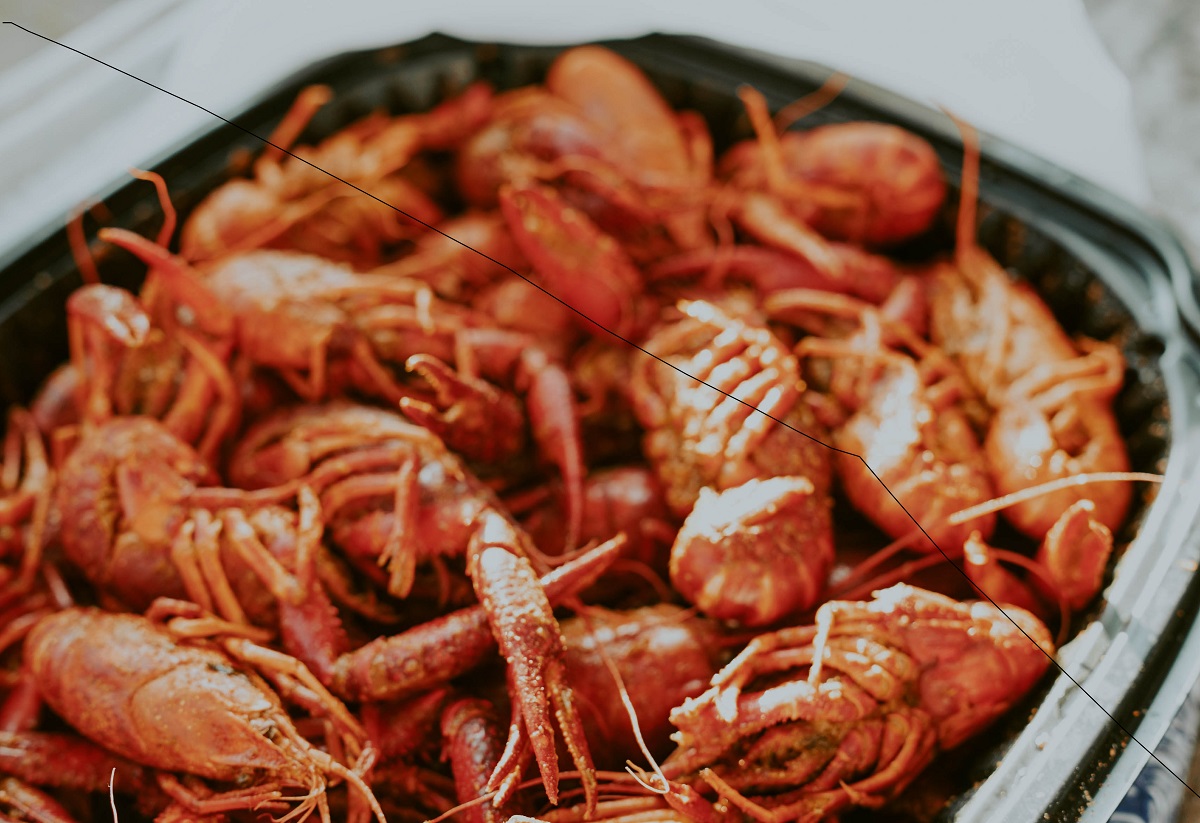
Hey y’all, welcome to NOLA Eats Daily – your go-to spot for all things delicious in New Orleans! If there’s one thing that gets Louisianians fired up more than Mardi Gras, it’s almost crawfish season.
Those spicy, succulent mudbugs are the star of backyard boils, festival feasts, and restaurant platters across the state. But when exactly can you expect the best crawfish in 2026? Let’s dive in.
This article will tell you everything you need to know about crawfish season in Louisiana.
What To Know About Crawfish Season In Louisiana
Louisiana is known for the red swamp crawfish and the white river crawfish.
In the Pelican State, crawfish season often moves around a bit. One of the deciding factors is the weather: When it’s cold the season is delayed; when it’s warmer, the season is
When Is Crawfish Season In Louisiana?
Crawfish season in Louisiana typically runs from late fall to early summer, with peak availability from mid-January to May. Specifically:
The Typical Crawfish Season Timeline
Crawfish season in Louisiana isn’t set in stone – Mother Nature calls the shots with weather, water levels, and temperatures playing big roles. Generally:
The season winds down in June to early July, tapering off as summer heat takes over.
Early season kicks off around mid-January to February, when the first harvests hit the market. Supplies are limited, sizes might be smaller, and prices higher.
Peak season – the sweet spot we all wait for – runs from March through May. This is when crawfish are plentiful, big, juicy, and affordable. Expect the best boils around Mardi Gras, Easter, and Jazz Fest!
What’s the Outlook for 2026?
Good news, crawfish lovers! As of late 2025, LSU AgCenter experts like Todd Fontenot are optimistic about a normal season in 2026.
After some challenging years with droughts, blizzards, and other weather woes, conditions look promising. Crawfish are already emerging from burrows in south Louisiana, and as long as we avoid prolonged deep freezes, supplies should ramp up nicely in January and February.
Most of Louisiana’s crawfish come from farms (often rotated with rice fields), so production is more predictable than wild harvests. Expect reasonable prices and solid quality, barring any surprise weather events.
When Are Crawfish The Biggest?
Crawfish are typically the largest around springtime — the third week of March to the first of June. After that, they shrink to a normal size that are not as big but just as enjoyable.
Where To Get Crawfish In Louisiana
Here are some of the best places to find crawfish this time of year.
Frankie and Johnny’s
321 Arabella St New, New Orleans, LA 70115 | (504) 243-1234
Here’s what one customer says about Frankie and Johnny’s: “This place is really good and always busy so expect a wait. My crawfish rating is as follow 7 in Flavor and 9 in Size. Crawfish could be a bit more spicy but the size was perfect. The seafood gumbo 8 it’s pretty thick could use a bit more chunks of seafood meat in it. The chargrilled oyster was perfect and a 10 in sizes.”
Cooter Brown’s Tavern
509 S Carrollton Ave, New Orleans, LA 70118 | (504) 866-9104
Here’s what one customer says about Cooter Brown’s: “The food here is amazing! It only got 4 stars because it took a while for our food to come and it wasn’t as hot as preferred but the taste was great! Highly recommend the chicken wings and boudin balls!”
Cajun Seafood
New Orleans Locations:
- 1479 N Claiborne Ave, New Orleans, LA 70116
- 2730 S Broad Ave, New Orleans, LA 70125
- 1901 Almonaster Ave, New Orleans, LA 70117
- 7020 Read Blvd, New Orleans, LA 70127
Here’s what one customer says about Cajun Seafood: “Don’t let the exterior fool you. This place is one of the best in the area for shrimp and crawfish. The stew was good. The crawfish were hot. I wish I could have gone twice while I was there. The ordering was confusing at first but we ended up with what we wanted.”
Melba’s Old School Poboys
1525 Elysian Fields Ave, New Orleans, LA 70117 | (504) 267-7765
Here’s what one patron says about Melba’s: “Omg this place hot the spot! I went for a daiquiri, I left with 3 half gallons of daiquiri, a meal, and 6 pounds of crawfish! The staff was nice, they got people in and out as fast as they could. Food taste great, drinks are tasty! I can’t wait to go back.”
Superior Seafood & Oyster
4338 St Charles Ave, New Orleans, LA 70115 | (504) 293-3474
Here’s what one patron has to say about Superior Seafood. “Wow. We absolutely LOVED this place. I couldn’t recommend this place enough. Addison was our server (I think that’s how you spell it) but she was amazing and so helpful! I would definitely ask for her when you come! Although all the servers seem amazing. We will definitely be back before our trip is over and ask for her. The food was delicious and the atmosphere was top tier. Highly recommend.”
Final Word
Spicy crawfish are the timeless delicacy that everyone loves in Louisiana. But many people oftentimes don’t know where and when to get them.
Crawfish season is one of the most joyful times in Louisiana. There are crawfish boils, parties, sales at fisheries and so many other things.
If you’re fortunate enough to attend a crawfish boil, remember to experience the full flavor of the Louisiana delicacy by sucking the head!!
Where Can I Find Some Crawfish In New Orleans?
You can always check out a local crawfish festival in one of the many south Louisiana cities that have them. Here are some other places to buy crawfish in New Orleans.
More From NolaFi.com:
-
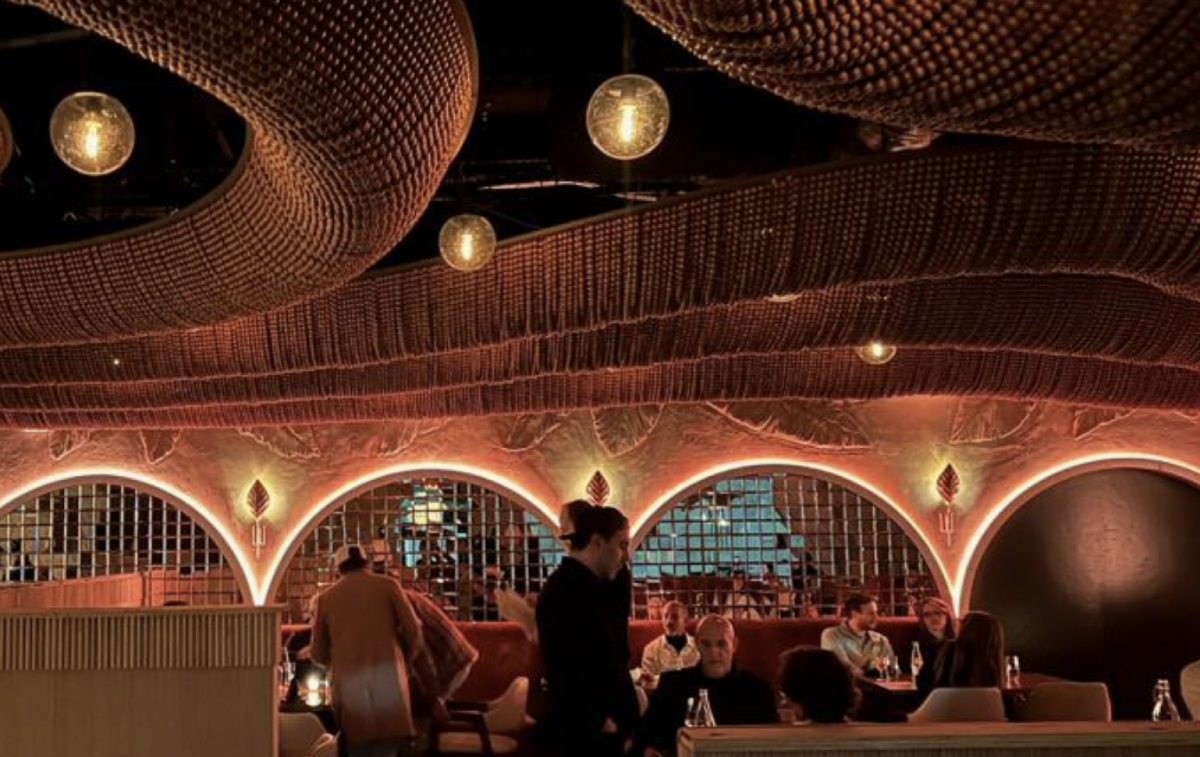
New Orleans’ ever-vibrant dining scene has a bold new addition: Kira, a striking Greek-Japanese fusion restaurant that quietly soft-opened last week and welcomed the public on Thursday, December 12.
Located in the Warehouse District in the former home of the short-lived Mister Oso taco spot (near Canal Street), Kira has undergone a complete transformation.
Kira Serves Greek, Japanese Cuisine in New Orleans
The space now boasts a lush, neon-trimmed interior that feels like a modern taverna crossed with a high-energy nightclub—complete with curving lounge coves, intricate design elements, and even a DJ station for late-night vibes.
The brainchild of a team including Andrew Duncan (of nearby Jolie lounge) and Billy Blatty (formerly involved with Mister Oso), Kira features consulting chef Josh Adamo, known for his work at high-end spots like the revamped Emeril’s.

The concept merges Mediterranean warmth with Japanese precision, emphasizing fresh seafood, bright herbs, shareable plates, and balanced flavors.
The menu leans heavily Greek with clever Japanese overlays—think raw bar influences, robata grill items, and subtle high-end steakhouse touches. Early diners have raved about the eclectic yet cohesive offerings.Highlights from the menu include:
- Hummus topped with crunchy fried chickpeas and bold garlic notes
- Wagyu koftas grilled on the robata, tender and melt-in-your-mouth
- Tuna tartare served with nori sheets for DIY two-bite handrolls
- Raw hamachi atop fried sticky rice cakes
- Bang bang shrimp with a fusion twist
- Mezze boards for sharing
- Tomahawk steak accompanied by labneh
- Lamb chops (a diner favorite from early reviews)
- Chocolate torte dense and fudgy with a nutty black sesame streak
The raw bar shines with fresh seafood, and there’s also an omakase option for a guided Japanese-inspired journey.
Cocktails add to the fun: Try the Get Him to the Greek martini (yogurt-washed gin) or the Smoking Gun, a spicy Japanese riff on the classic Sazerac with rye, plum brandy, cinnamon, and ginger.
As the night progresses, Kira shifts into ultra-lounge mode, with seamless access to the adjacent Ohm nightclub for those wanting to extend the evening.
Early reviews on OpenTable are glowing, with diners calling it “Bohemian Nobu” and praising the balanced, beautifully plated food. One reviewer noted: “Every dish arrived as a standout—balanced, creative, and beautifully plated. Kira is poised to become a New Orleans culinary mainstay.”
Reservations are filling up fast—book via OpenTable or visit kiranola.com for more details.
Welcome to the scene, Kira! What’s your must-try dish? Sound off in the comments.
More From NolaFi.com:
-

As the Crescent City shakes off its Thanksgiving turkey coma, Black Friday fever is already gripping shoppers from the French Quarter to the suburbs of Metairie.
With holiday lights twinkling along Magazine Street and traffic buzzing on I-10, locals are plotting their routes to snag doorbusters on everything from tech gadgets to festive decor.
Black Friday Store Hours: New Orleans
This year, major retailers are kicking off the sales frenzy earlier than ever, with many doors swinging open at the crack of dawn – or even before.
Gone are the midnight madness marathons of yesteryear; instead, chains like Kohl’s and JCPenney are starting as early as 5 a.m. to accommodate bleary-eyed bargain hunters.
While most stores shuttered tight on Thanksgiving Day to give employees a much-needed breather, Black Friday promises extended hours to maximize your deal-snatching potential.
Expect crowds at popular spots like the Lakeside Shopping Center in Metairie or the Outlet Collection at Riverwalk downtown, where national brands mingle with local flair.
Whether you’re hunting for a flat-screen TV at Best Buy or stocking stuffers at Target, planning your attack is key.
Pro tip: Download store apps for real-time inventory checks and consider carpooling to dodge the post-feast gridlock on Veterans Memorial Boulevard. And don’t forget – online deals are live now, so you can shop in pajamas if braving the bayou humidity isn’t your vibe.
To help you map out your itinerary, here’s a handy table of Black Friday hours for top area retailers. Note that some closing times may vary by specific location, so double-check with your local store. All times are local.
Retailer Opening Time Closing Time Walmart 6 a.m. 11 p.m. Target 6 a.m. Varies by location Best Buy 6 a.m. 10 p.m. Macy’s 6 a.m. 11 p.m. Kohl’s 5 a.m. Midnight JCPenney 5 a.m. Varies by location Home Depot 6 a.m. Normal closing time Lowe’s 6 a.m. Normal closing time Costco 9 a.m. (Executive Members) / 10 a.m. (others) Normal closing time Dick’s Sporting Goods 6 a.m. 10 p.m. Old Navy 5 a.m. (select stores) Varies by location Stay safe out there, NOLA – hydrate, wear comfy shoes, and may the deals be ever in your favor. Happy hunting! For more local holiday coverage, including fleur-de-lis light displays and second-line shopping events, keep it tuned to NOLA News.
Want more tips? Read our guide on where to shop in New Orleans.